Welcome to Guangzhou Gorlando Commodity Co.,ltd
 English
- English
 Русский
 Português
 Español
 Français
 Deutsch
 العربية
 简体中文
简体中文 日本語
日本語 한국어
한국어


News
-
Tensu Chopsticks: Premium Sushi Takeout Solution to Stop Sticky Rice & Preserve Dish Integrity
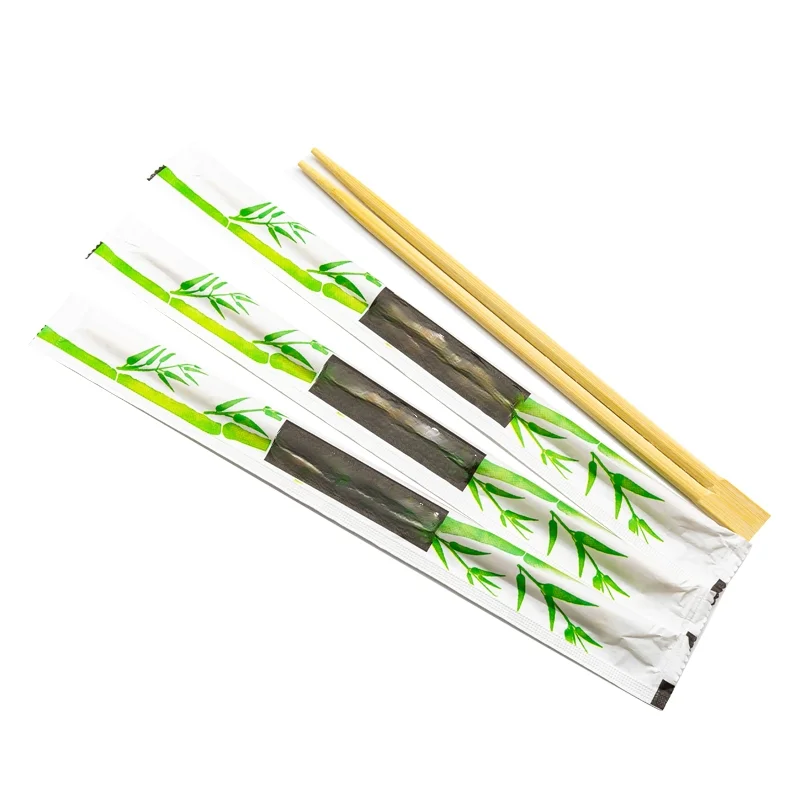
Most high-end Japanese restaurants face a subtle but costly operational issue. Exquisitely crafted nigiri and sashimi lose their perfect shape during takeout delivery, simply because low-grade disposable wooden chopsticks cling firmly to seasoned sushi rice. A slight lift causes rice grains to peel off, sashimi to shift, and nori wraps to tear, ruining the complete texture and premium presentation of fine sushi. Upgrading to Tensu Chopsticks completely solves the common catering pain point of sticky sushi rice and broken takeout sushi, becoming an essential detail for premium dining experience upgrading. Many restaurant operators underestimate the importance of matching disposable tableware. They often believe clean and standard utensils are sufficient for daily service. In fact...Learn more -
Diamond Tip vs Round Tip Bamboo Skewers: Commercial Meat Skewering Performance Comparison
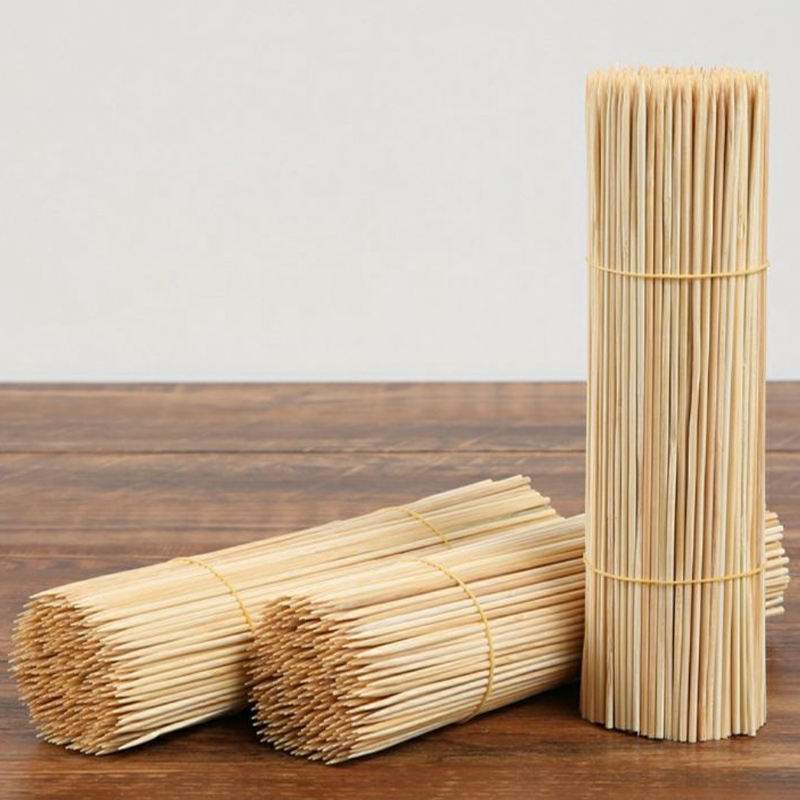
Choosing between diamond tip bamboo skewers and round tip bamboo skewers for commercial meat skewering? This professional guide compares penetration force, meat damage rates, and long-term cost efficiency based on standardized lab-tested data. We break down which bulk bamboo skewers fit tough beef, chicken thighs, and pork shoulder for restaurant and catering use, with full insights from a China bamboo skewers manufacturer with FDA and LFGB food-grade certification. Commercial Kitchen Pain Points: Why Skewer Tip Design Impacts Operational Profit In commercial catering, restaurant supply, and large-scale prefabricated food processing facilities, the choice of disposable bamboo skewers is far more than a trivial product decision. Most kitchen operators and procurement teams foc...Learn more -
Toothpick Dispenser Jamming? Optimize Length-to-Diameter Ratio with 2026 Compatibility Guide
Toothpick dispenser jamming and clogging are the most overlooked yet annoying issues for restaurants, hotels and catering businesses. Most buyers source bulk toothpicks for restaurants only by unit price and delivery capacity, ignoring core compatibility between disposable foodservice toothpicks and commercial toothpick holders. Mismatched sizes always lead to frequent clogging, multi-stick spilling and daily operational troubles. As a professional custom toothpick supplier and manufacturer with 15 years of industry experience, Gorlando delivers standardized, certified solutions to eliminate dispenser clogging via precise ratio optimization and premium craftsmanship. 1. Core Causes of Frequent Commercial Toothpick Holder Clogging Most toothpicks get stuck in dispenser issues ...Learn more -
Bamboo Skewers Buying Guide 2026: Round vs Flat Paddle Skewers for Commercial Grilling & Wholesale Sourcing
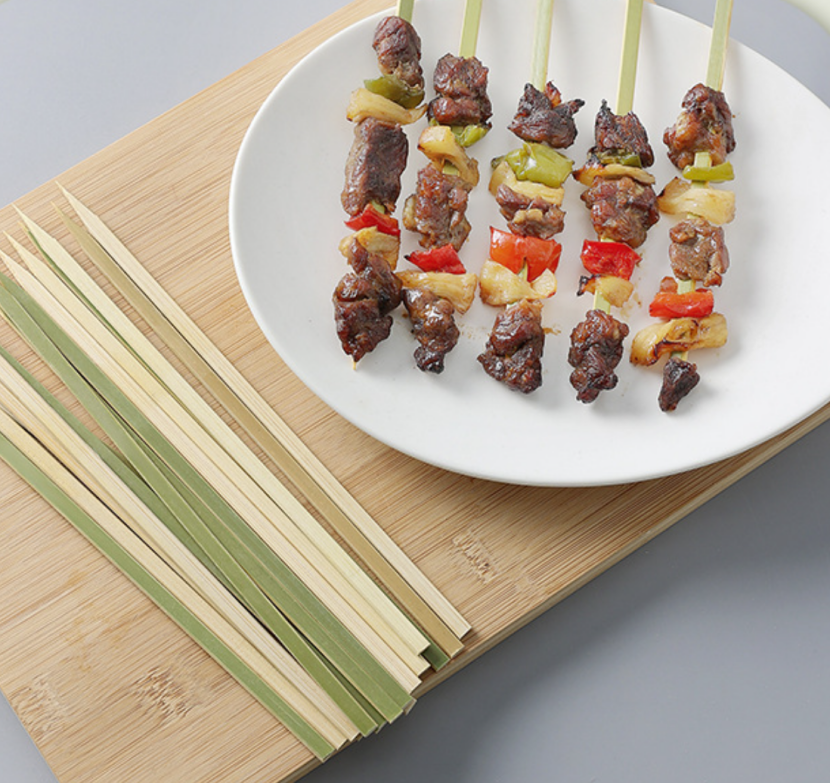
Procurement managers running catering outlets and pre-made food processing facilities all face hidden operational losses from mispurchased commercial bamboo skewers. Many buyers only compare length and unit price, overlooking structural gaps between round vs flat bamboo skewers that trigger cascading issues: doubled threading labor hours, ingredients spinning nonstop over grills, heavy meat falling off and getting discarded, and low-end plating ruining premium dish margins. A common confusion among bulk buyers of bulk bamboo skewers for BBQ is why competitors maintain consistent smooth output while their kitchen struggles with recurring defects. The root cause almost always lies in mismatched skewer types, selected purely based on low price without matching kitchen equipment, heat ...Learn more -
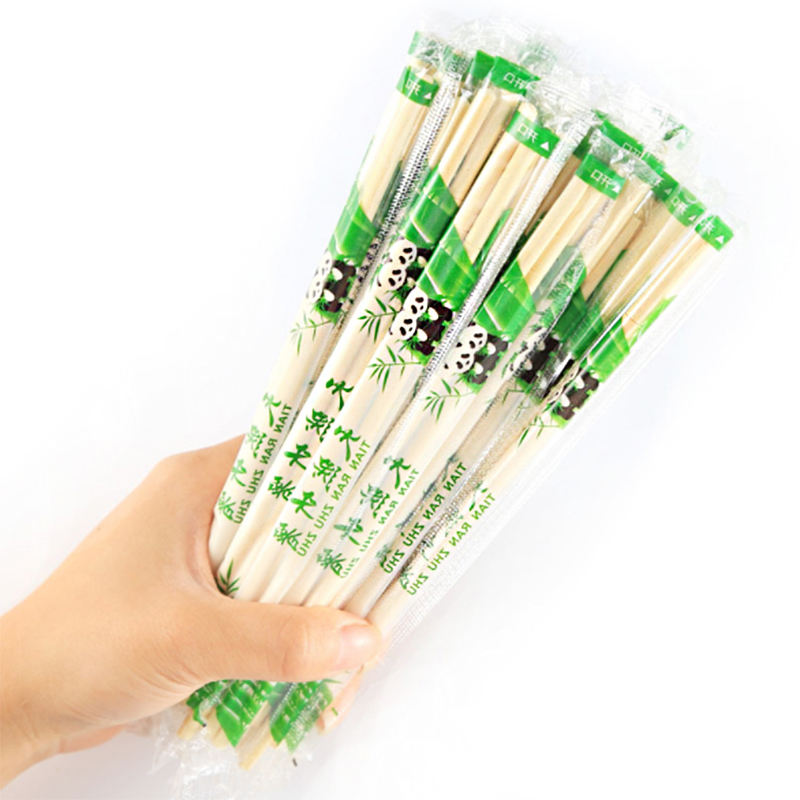
How to Control Bamboo Chopsticks Color Variation in OEM Orders?
Most brands face a confusing challenge when customizing OEM bamboo cutlery: even with identical production processes and parameters, bamboo chopsticks and skewers always show slight shade differences across batches. Many purchasers often wonder why do bamboo chopsticks have different colors, and end up receiving consumer complaints about inconsistent product quality. In fact, the natural characteristics of bamboo make absolute zero color difference impossible, but a professional bamboo chopsticks color variation solution can narrow the gap to a commercially acceptable and invisible range. As a professional disposable tableware manufacturer with 15 years of industry experience, Gorlando has served numerous global catering and retail brands. We confirm that most bamboo cutlery col...Learn more -
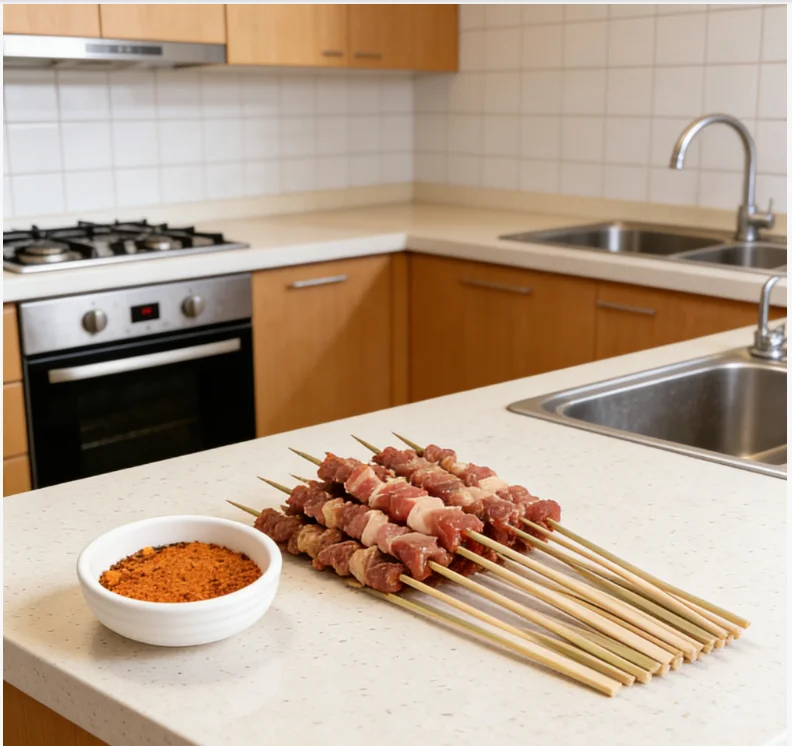
Bamboo Skewers High-Temp Warping? Node-Free Bamboo Boosts Heat Resistance for Baking & Air Fryer Safe Skewers – 3 Fixes
During baking and pre-made food production, bamboo skewers tend to suffer from bamboo warping due to high-temperature dehydration. This is a common trouble for food producers and cooking enthusiasts. When placed in ovens or air fryers, warped skewers often tear sealed packages, disrupt production procedures and damage the integrity and appearance of food. Troubles Caused by Bamboo Warping in High-Temperature Environments Inconveniences in Daily Cooking When making skewered food with household ovens and air fryers, straight skewers ensure even heating of ingredients. Once baking skewers get warped, food will shift and pile up unevenly, leading to burnt spots or undercooked sections. Severely twisted skewers may also scratch the inner wall of cooking appliances and increase ...Learn more -
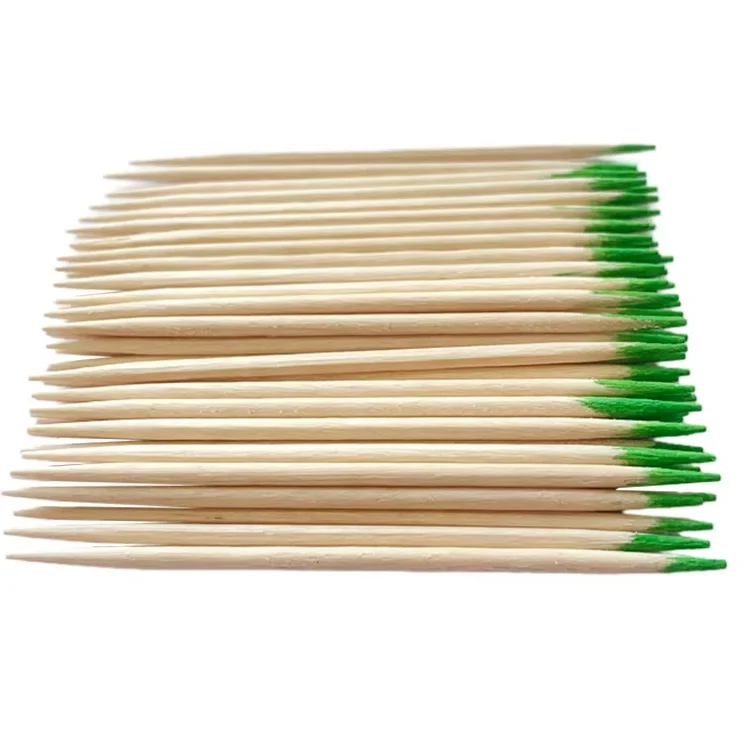
Extending Mint Flavored Toothpicks Shelf Life: Barrier Film Packaging Solutions for Premium Eco-Friendly Hospitality
Common Flavor Degradation Issues of Flavored Toothpicks in Catering & Hospitality In high-end hotels, specialty restaurants and leisure venues that focus on service experience, mint flavored toothpicks have become a thoughtful detail to improve the dining experience. The fresh herbal scent relieves oral discomfort after meals and upgrades the overall service quality. Many operators who purchase goods in large quantities for long-term stock have noticed a widespread problem. The aroma of stored flavored toothpicks fades gradually before opening. Once the package is unsealed, the unique flavor disappears within days, leaving ordinary bamboo and wood toothpicks. With years of experience serving physical merchants, Gorlando finds that flavor degradation is a typical issue for fl...Learn more -
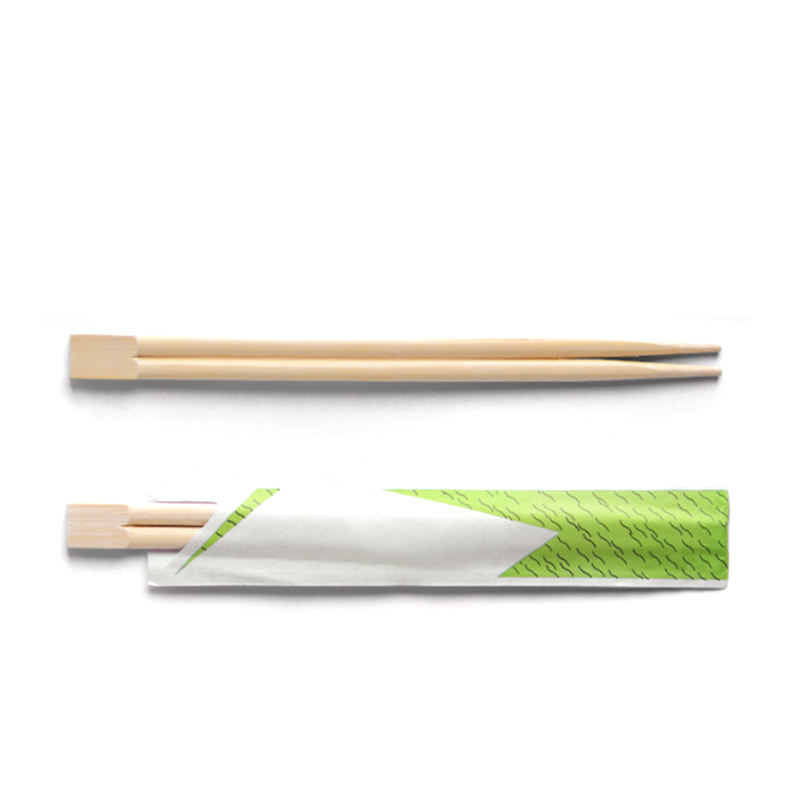
How Splinters on Twinned Chopsticks Hurt Restaurant Reputation? Control V-Groove Depth to Cut Down Negative Reviews
1. Tiny twinned chopsticks: A hidden risk to customer dining experience Pulling apart twinned chopsticks is a common scene in catering venues, yet many diners have been pricked by sharp chopstick splinters during this simple action. Such unpleasant issues mostly stem from inaccurate cutting of the V-groove in production. Catering operators spare no effort to improve dishes and services, but trivial tableware problems often spoil customer satisfaction and lead to negative comments. As a professional manufacturer focusing on custom disposable tableware, Gorlando has served various catering scenarios for years. We clearly know that the processing details of the V-groove directly determine the using performance of twinned chopsticks, and it is also an easily overlooked factor affect...Learn more -
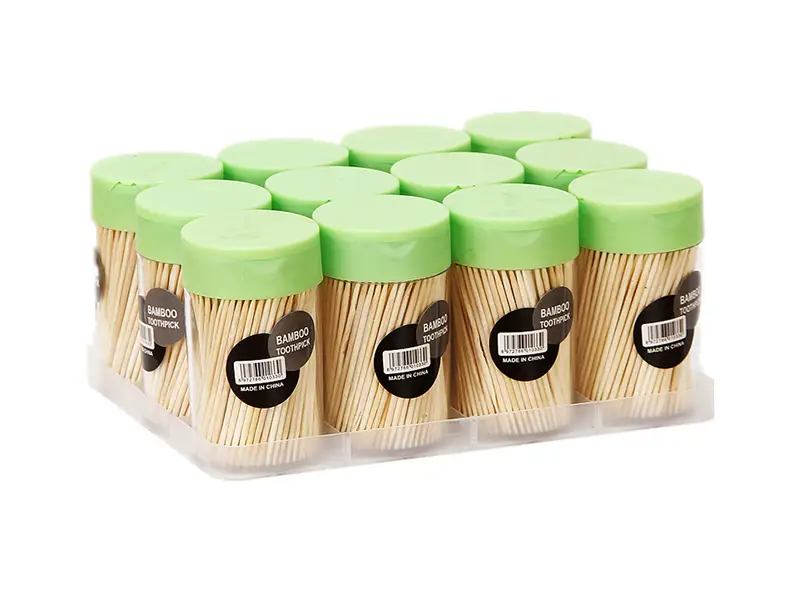
Custom Color-Tipped Toothpick Ink Compliance: Complete 2026 Food Contact Safety Standards
Hidden Risks of Custom Color-Tipped Toothpicks: Lessons From Real-World Banquet Contamination Incidents A recent high-end coastal banquet encountered an embarrassing dining issue: strange colored particles kept appearing in freshly made sparkling cocktails, causing guest complaints and urgent on-site troubleshooting. After eliminating issues with ingredients, tableware, and beverages, the catering team finally confirmed the culprit: custom color-tipped toothpicks used for cocktail decoration. This is far from an isolated case. In recent years, countless catering brands focused on refined table styling have faced similar setbacks. Many batches of cocktail garnish custom color-tipped toothpicks have been fully recalled from sales markets, due to excessive heavy metal migration ...Learn more -
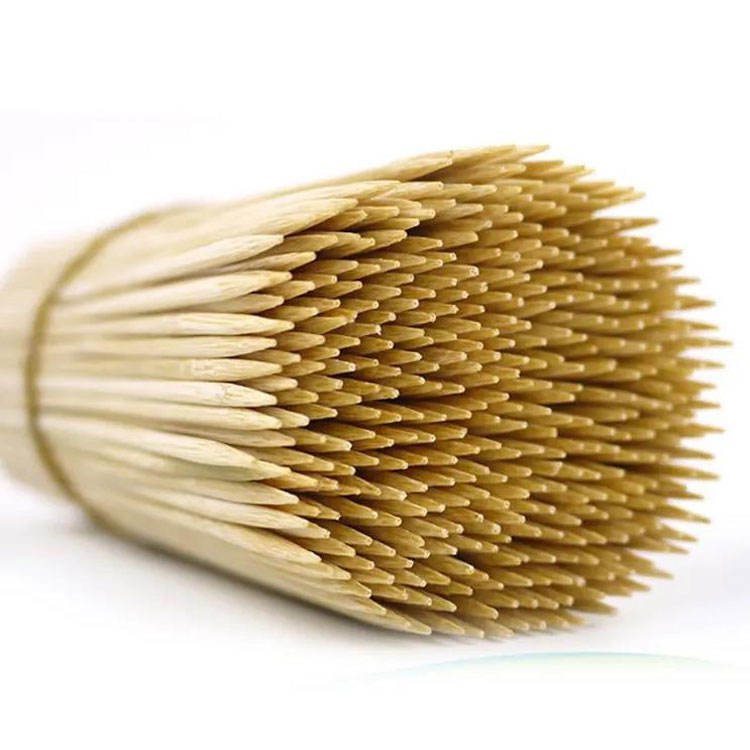
Bamboo Skewer Export to Australia BICON Permit: Full Compliance Clearance Guide
Over the past two months, our procurement partners have reached out repeatedly with urgent troubles: full 20GP containers loaded with bamboo skewers got detention notices issued by Australia’s Department of Agriculture, Fisheries and Forestry right after port arrival. Without valid BICON pre-registration, consignments face compulsory destruction or costly return per the updated Biosecurity Act 2015, with all financial losses falling entirely on local importers. Many specialists preparing Australian pre-document preparation for disposable catering bamboo skewer BICON filing keep running into compliance pitfalls, confused about formal specifications for pre-import quarantine certification application of bamboo goods for Australian entry. Here lies the core crux: classified as high-ri...Learn more