Welcome to Guangzhou Gorlando Commodity Co.,ltd
 English
- English
 Русский
 Português
 Español
 Français
 Deutsch
 العربية
 简体中文
简体中文 日本語
日本語 한국어
한국어


News
-
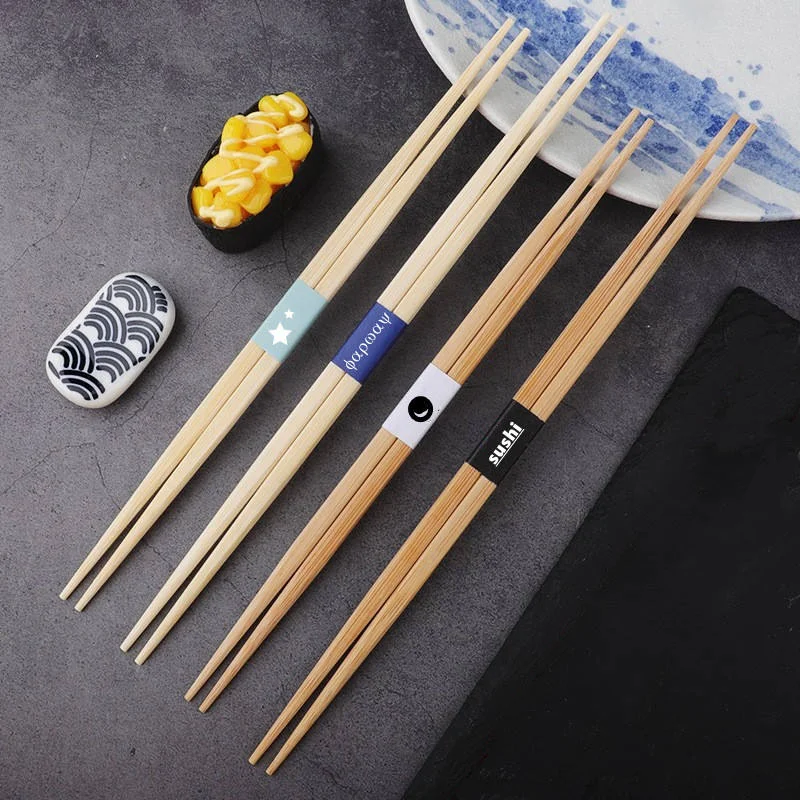
Disposable Bamboo Chopsticks Procurement Guide: Tensoge vs. Twin vs. Round Cost Analysis
In restaurant supply chain management, disposable bamboo chopsticks represent a small unit cost but directly impact both operating margins and customer satisfaction. Procurement buyers often encounter two major issues during bamboo chopsticks procurement: choosing ultra-cheap Round Chopsticks that lead to customer complaints regarding splinters or bent sticks, or over-specifying with premium Tensoge Chopsticks across high-frequency fast-food operations, unnecessarily driving up packaging costs. 1. Structural and Manufacturing Differences of Common Bamboo Chopsticks Tensoge Chopsticks: Angled Cut Craftsmanship and Visual Value Tensoge Chopsticks feature a distinctive ~45-degree angled cut at the top, cleanly displaying the dense natural fiber grain of the material. This top...Learn more -
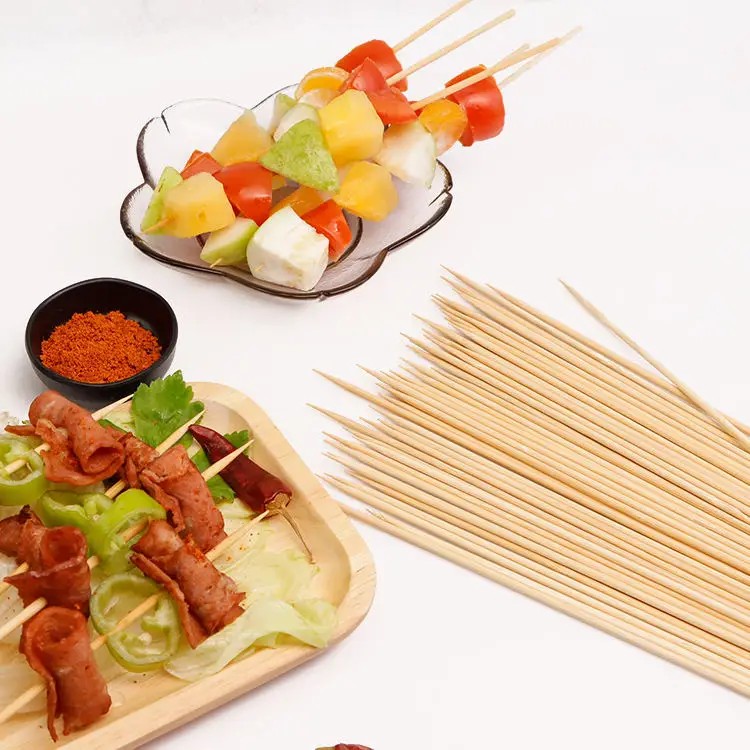
Industrial Bamboo Skewers for Food Processing and BBQ Chains: A Complete B2B Sourcing Guide to Splinter-Free, Heat-Resistant Options
In high-volume commercial barbecue chains and automated food processing plants, a bamboo skewer is far more than a disposable stick—it is a critical component in your production line. A single snapped skewer can jam expensive auto-skewering machinery, while burrs or splinters can create severe food safety compliance issues. Selecting true industrial-grade bamboo skewers for food processing requires looking beyond wholesale pricing and evaluating raw material specs, moisture thresholds, and manufacturing tolerances. Here is what purchasing managers, plant directors, and commercial kitchen operators need to evaluate before placing bulk orders. 1. Tensile Strength & Fiber Density: Preventing Snapping Under Load In automated skewering lines (such as meatball, satay, or keb...Learn more -
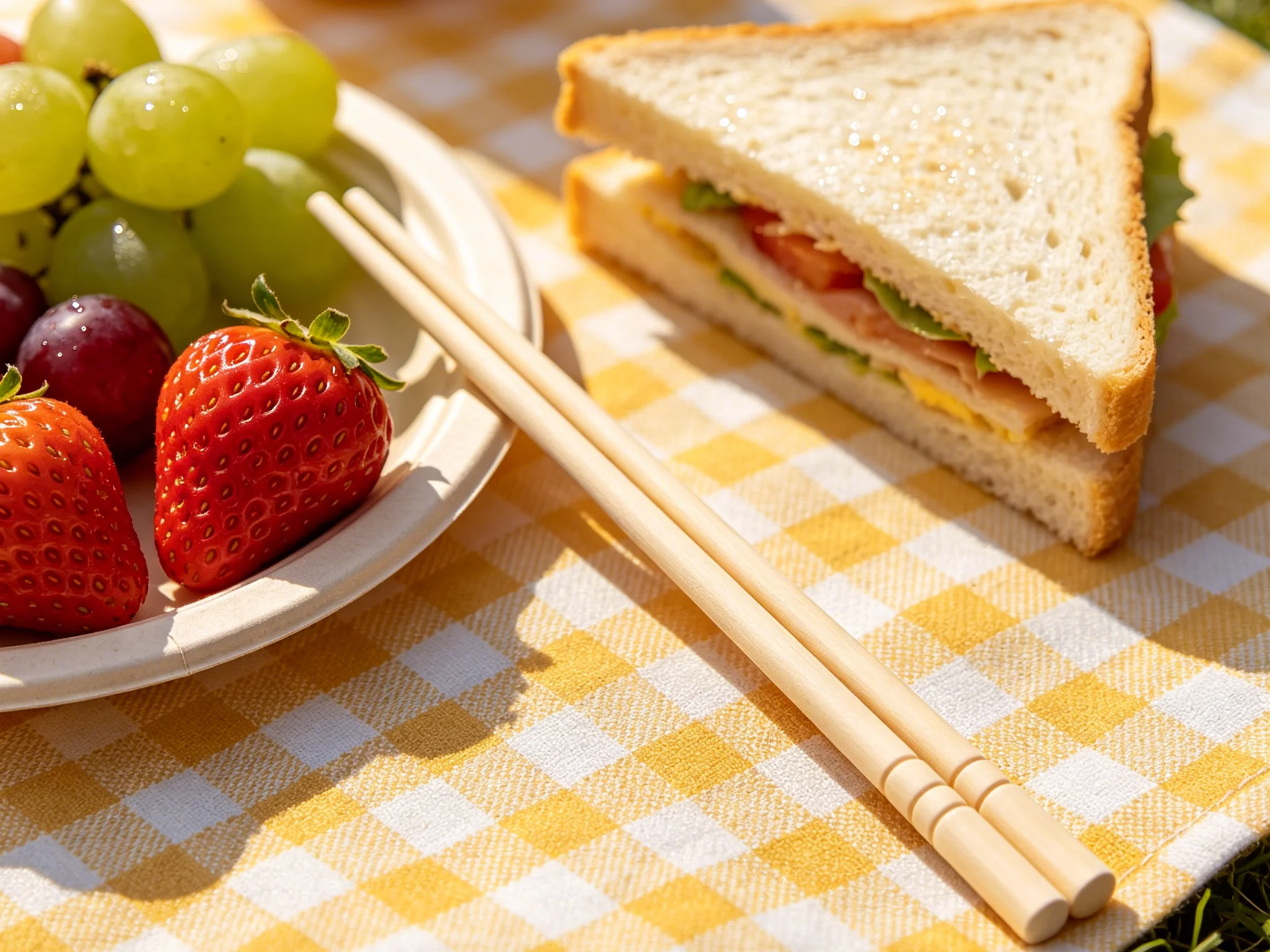
Carbonized vs. Natural Bamboo Chopsticks: Strategic Sourcing Guide for Global Restaurant Chains & Delivery Brands
For international restaurant chains, food delivery brands, and F&B packaging importers, single-use cutlery is far more than a minor operational item. It directly impacts unit landed costs, customer dining experience, brand perception, and international supply chain compliance. When sourcing wholesale disposable bamboo chopsticks from a trusted bamboo chopsticks manufacturer, procurement managers inevitably face a core decision: Carbonized Bamboo Chopsticks or Natural Bamboo Chopsticks? While natural bamboo chopsticks offer incredible cost efficiency for high-volume takeaway brands, carbonized chopsticks provide unparalleled mold resistance for long-distance ocean shipping and tropical markets. This practical guide breaks down technical differences, operational scenarios, ...Learn more -
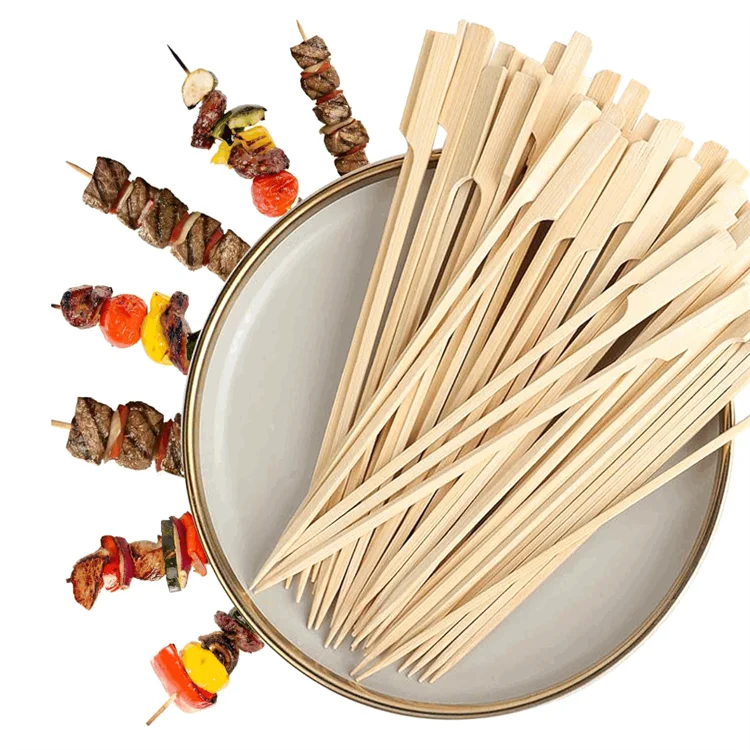
Bamboo Teppo Skewer Pitfall Guide: Stop Meat Spinning & Lower BBQ Customer Complaints with Teppo Skewer Solutions
Friday night peak hour, and ticket orders are piling up at the pass. The grill master flips a rack of beef cubes over open coals. Suddenly, disaster strikes—the bamboo stick turns 180 degrees, but the meat cubes stay right where they are, spinning in place due to rendered fat and shrinkage. The outcome is painfully predictable: one side burns to coal while the other stays uncooked. A customer bites into bloody meat and leaves a glowing 1-star review: “Burnt on the outside, raw inside. Completely unacceptable quality!” Most restaurant owners and grill managers don’t realize that surging bad reviews and returned dishes aren’t always about meat quality or chef skill—it’s often because you are still using outdated round wooden sticks. Why Round Sk...Learn more -
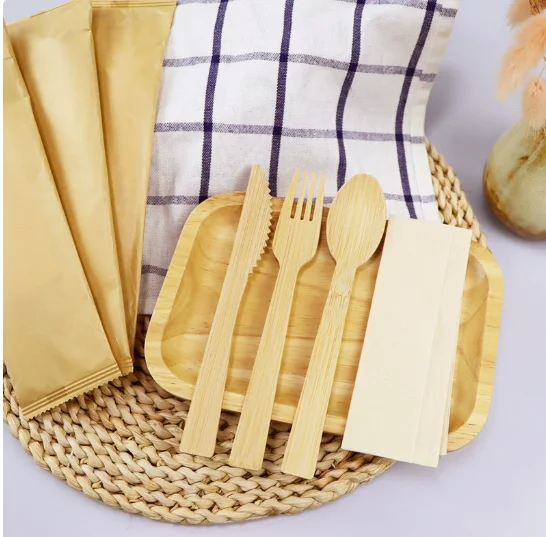
Why Top Sushi Chains Pay More for bamboo cutlery over Cheap Wood?
Running a successful Japanese restaurant isn’t just about sourcing high-grade fish; it’s about eliminating friction in the customer experience. Imagine a customer paying $50 for a premium sashimi platter, only to get a painful splinter in their lip from a low-grade wooden spoon, or having a flimsy wooden knife snap in half while cutting a dense maki roll. In an instant, the perception of quality vanishes, replaced by bad reviews and lost customer lifetime value. In the delivery age, negative reviews frequently stem from poor utensils, wooden fibers shedding onto raw fish, or cheap cutlery snapping under pressure. Choosing cheap wooden utensils might save a penny per order, but it quietly erodes your brand’s reputation. That is why smart sushi operators willingl...Learn more -
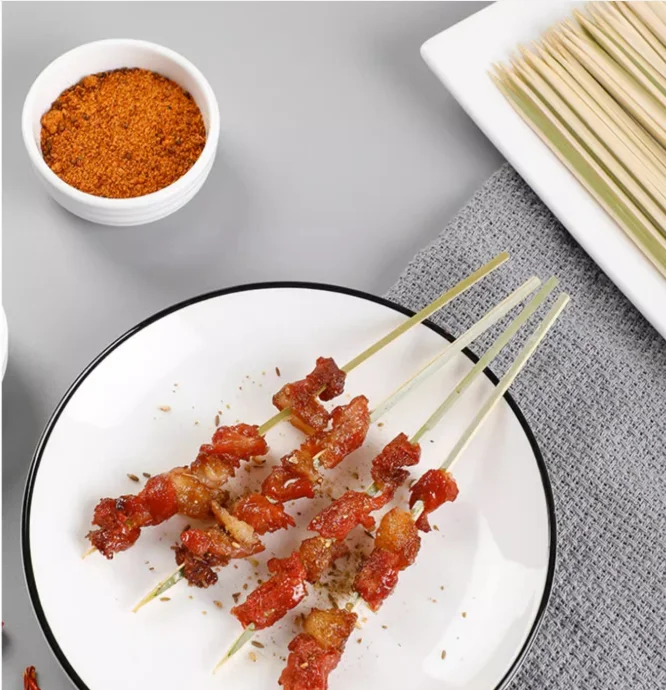
Square Bamboo Skewers Buyer’s Guide: Why Commercial BBQ & Food Plants Switch to 5mm Solid Skewers?
Square Bamboo Skewers are rapidly replacing traditional round sticks across high-volume kitchens and food processing plants. Inside a 200°C commercial oven or deep fryer, line cooks and machine operators face constant frustration: meat spinning uncontrollably around round sticks, skewers warping under heavy loads, and thermal splitting that ruins entire batches of oil. Upgrading to high-density square skewers directly resolves these hidden operational costs. Three Hidden Costs Wasting Your Kitchen Budget Meat Slippage and Uneven Cooking: Round skewers lack mechanical grip. When a grill cook flips the skewer, the stick rotates while the meat stays put, leaving one side charred and the other raw. Thermal Bending and Splintering: Finding reliable Air Fryer Bamboo Skewers or ...Learn more -
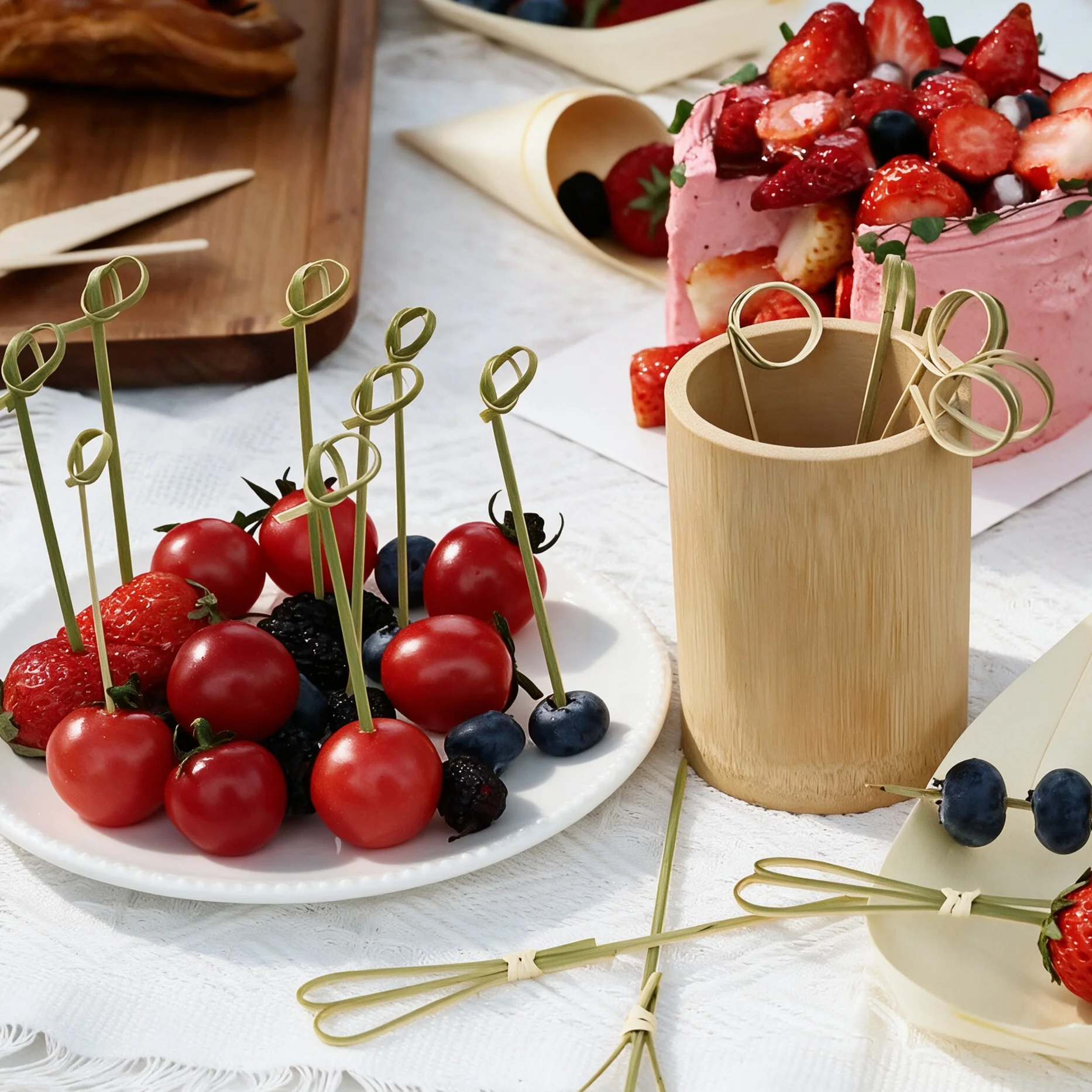
Knot Bamboo Skewers Sourcing Guide: How to Spot High-Tenacity Loop Picks that Won’t Snap?
A customer pays $8 for your signature lime fruit tea, waits 25 minutes for delivery, and opens the cup lid—only to find the heavy citrus slices and berries buried at the very bottom, while the wooden pick has completely disappeared into the tea. That ruined presentation triggers a 1-star review on DoorDash before they even take a sip. For drink shop operators and bar managers, this isn’t just a minor cosmetic issue; it’s a customer churn problem caused by standard straight picks that lack friction. Upgrading to Knot Bamboo Skewers fixes this structural flaw instantly. Why Standard Picks Fail & How Knot Picks Stay Suspended Standard straight picks offer zero mechanical resistance. As drinks slosh around during driver transit, heavy ingredients slide straight do...Learn more -
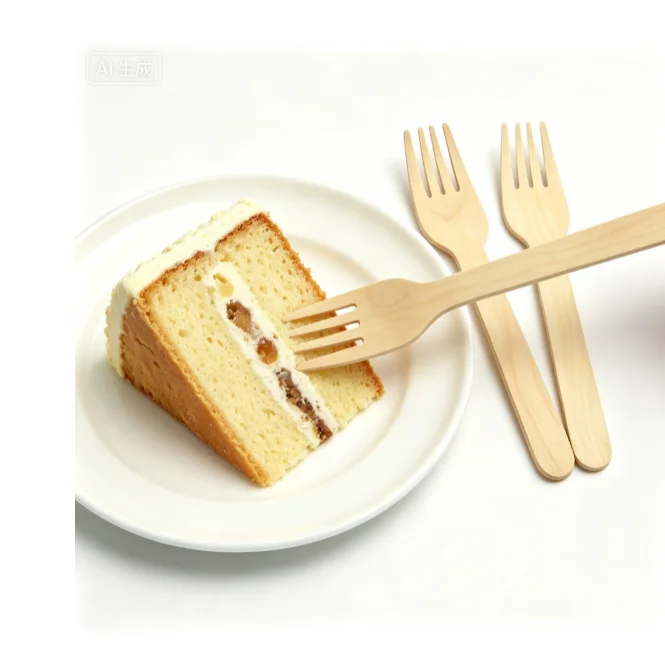
Compostable Disposable Cutlery Sourcing Guide: Birch Wood vs. Bamboo – B2B Buyer’s ROI Blueprint
1. Industry Context & B2B Sourcing Pain Points Driven by global Single-Use Plastic Bans, procuring Compostable Disposable Cutlery has shifted from an eco-friendly option to a strict compliance requirement for restaurant chains, airlines, catering companies, and food retailers. However, when choosing between the two market-leading solutions—Birch Wood Cutlery and Bamboo Cutlery—B2B procurement managers often face a dilemma: Will wooden cutlery snap under force and trigger customer complaints? Or will bamboo cutlery strain the purchasing budget? Topcraft (Gorlando) draws on over a decade of global supply chain expertise to break down structural strength, ROI, dining comfort, and international compliance to help you make the smartest sourcing decision. 2. Core Performance...Learn more -
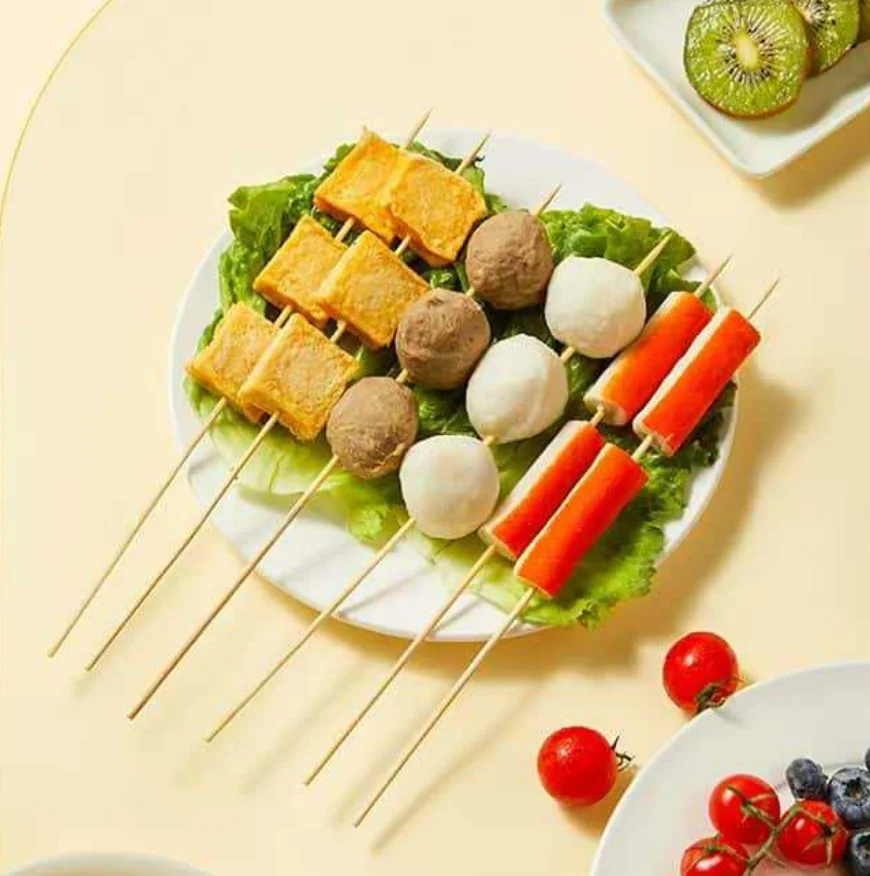
Bamboo Skewers Bulk Procurement Guide: Round, Flat, Square, Paddle & Knot Picks
Selecting the right skewer profile is rarely just about table aesthetics in B2B food operations. Choosing the wrong Bamboo Skewers Bulk specification often results in ingredients spinning uselessly on the grill, expensive jams on an Automatic Skewering Machine, or excessive product waste during prep. As a dedicated custom tableware manufacturer, Gorlando breaks down how each skewer type performs where it matters most: your kitchen line and factory floor. 1. 5 Skewer Types Unpacked: Match the Profile to Your Operational Needs Round Bamboo Skewers | Maximum Cost Efficiency Performance: Minimal piercing resistance, lowest unit cost. Operational Note: Best suited for lightweight, uniform ingredients. Avoid pairing with chunky meats, as they will spin freely when flipped o...Learn more -
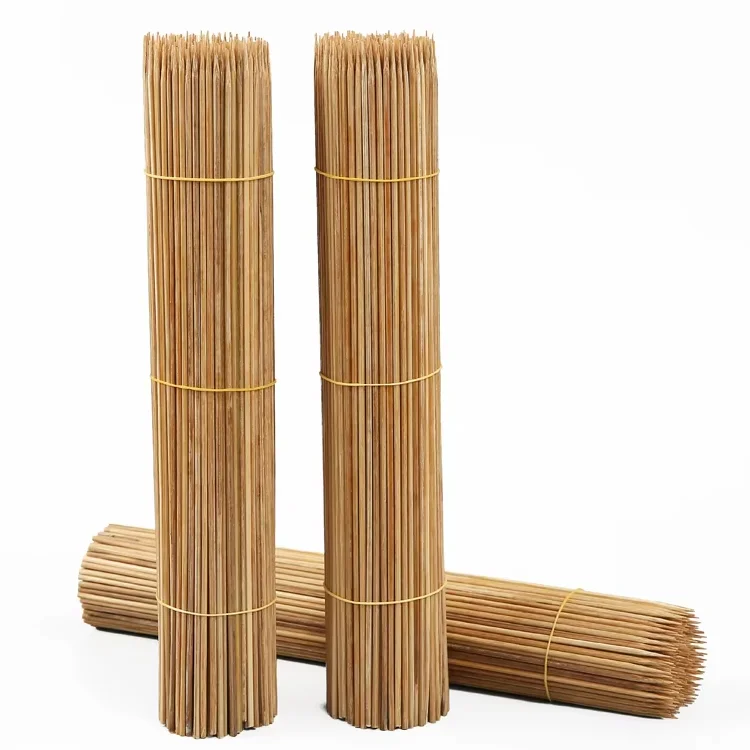
Carbonized vs Natural Bamboo Skewers: The $10,000 Procurement Mistake BBQ Brands Make
Imagine This $50 Presentation Disaster… Picture your top hospitality client firing up an open-flame grill in front of a packed dining room. As the chef flips a prime wagyu skewer, the bamboo stick snaps in half, splinters into the meat, and turns pitch-black from char. Suddenly, a $50 gourmet dish looks like a $5 mistake—all because of a $0.02 skewer. In high-end food service, bamboo skewers are no longer just utilitarian disposable sticks; they are an extension of the brand’s visual identity. As a procurement manager or distributor, offering the right skewer type directly impacts your clients’ presentation and your own reorder margins. So, should you stock classic natural bamboo or upgrade to smoked carbonized bamboo? Let’s break down the truth behind...Learn more