
 Русский
 Português
 Español
 Français
 Deutsch
 العربية
 简体中文
简体中文 日本語
日本語 한국어
한국어
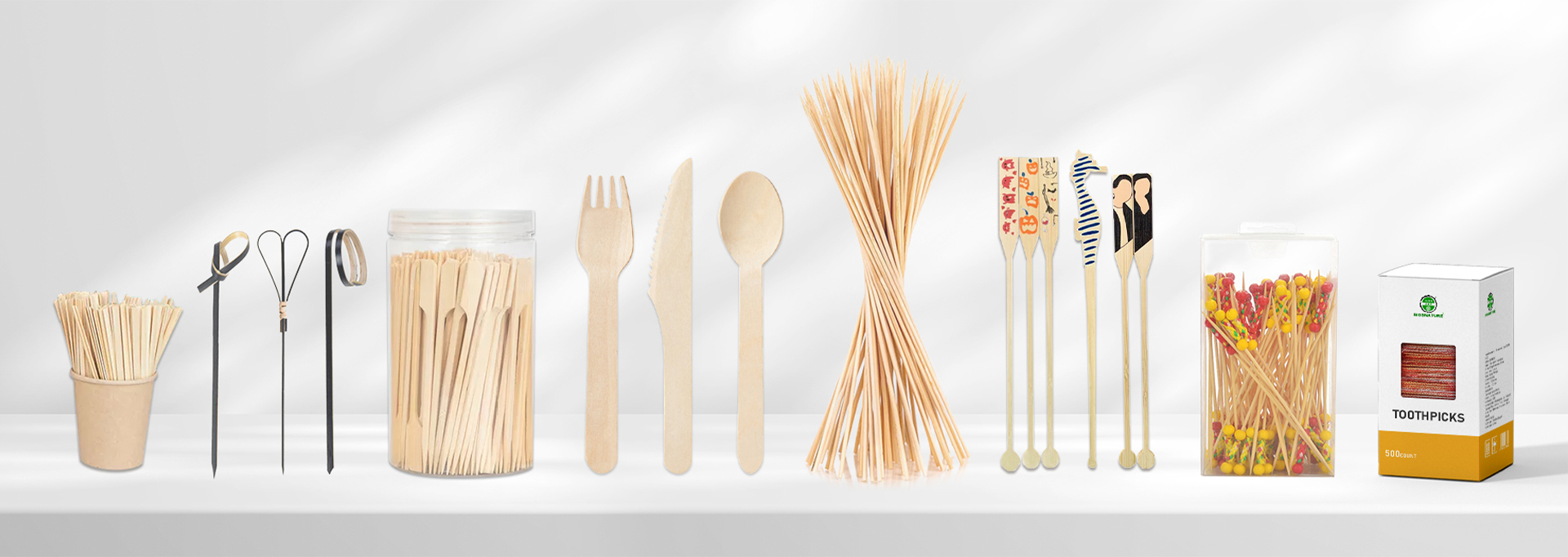
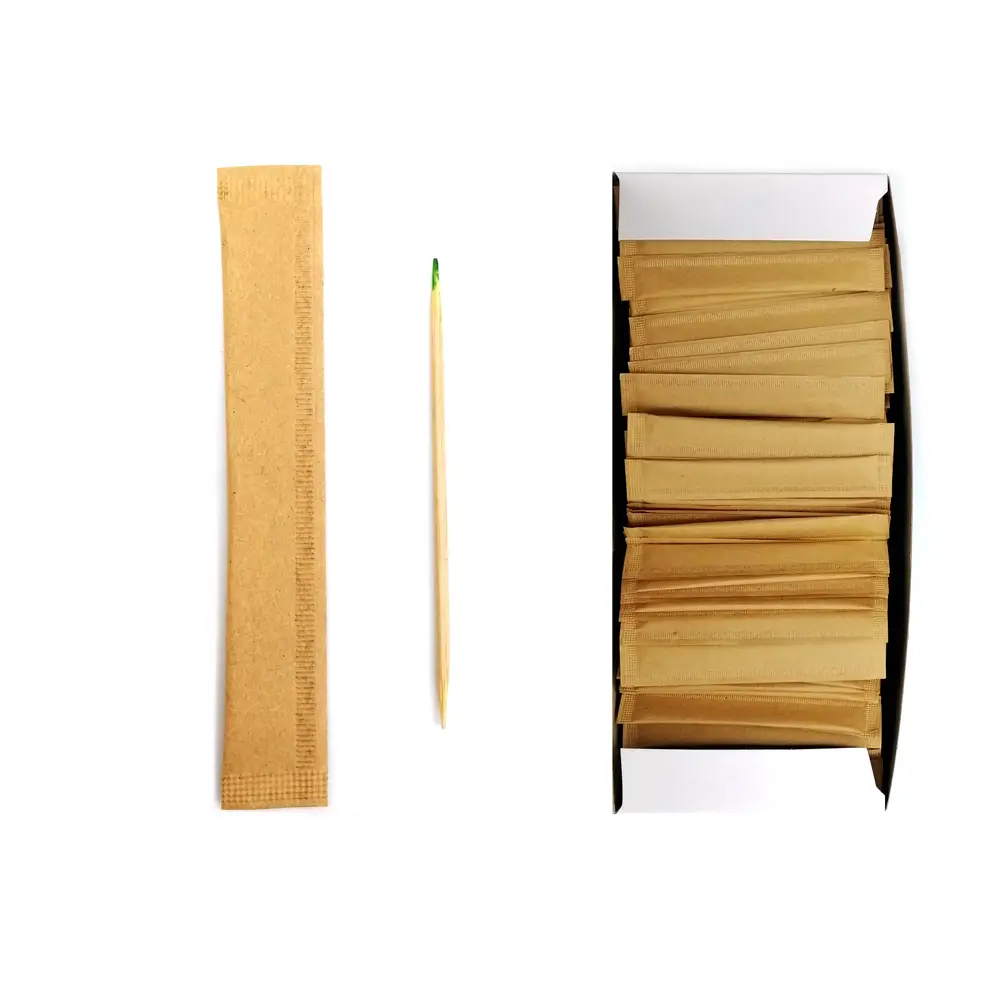
Eco-conscious restaurants are quietly reshaping their tableware choices these days, and one understated yet impactful shift lies in the humble toothpick—bamboo toothpicks have steadily overtaken wooden ones as the top pick. For restaurant owners balancing sustainability with practicality, this isn’t just a passing trend but a choice rooted in real-world needs and environmental values. What makes these bamboo alternatives outshine traditional wooden toothpicks, though? Let’s dive into the details.
Eco-friendliness starts with how resources are sourced, and bamboo toothpicks have a clear edge here. Bamboo ranks among the fastest-growing plants globally, with some species shooting up 91 cm in a single day—far outpacing the hardwoods used for wooden toothpicks. Unlike trees that take decades to mature, bamboo is ready for harvest in just 3-5 years, and it regrows naturally without needing to be replanted. It’s like having a resource that replenishes itself almost as fast as it’s used—pretty remarkable, isn’t it? Wooden toothpicks, by contrast, depend on trees like birch or poplar, which take 20-50 years to grow and often require deforestation that disrupts ecosystems. For restaurants aiming to shrink their carbon footprint, this difference is hard to overlook.
Durability and user experience are another big draw. Who hasn’t snapped a wooden toothpick mid-use, left with splinters or a broken mess? It’s a frustrating common occurrence that bamboo toothpicks avoid. Bamboo’s natural fiber structure makes it stronger and more flexible than wood, so it holds its shape even when tackling tough tasks like picking at meat or vegetables. They’re also smoother to the touch, no rough edges to irritate gums. Restaurant patrons notice these small details—something as simple as a reliable toothpick can elevate the entire dining experience, turning an ordinary meal into a more polished one.
Then there’s the matter of production and disposal. Bamboo toothpicks require far less processing than wooden ones. Bamboo’s natural resistance to pests means minimal pesticides are used during growth, and its fibers are easier to shape without harsh chemicals. When it comes to disposal, bamboo is fully biodegradable—it breaks down in soil within 3-6 months, leaving no harmful residues. Wooden toothpicks, on the other hand, can take up to a year to decompose, and some may contain chemical treatments that linger in the environment. For restaurants sticking to zero-waste practices, choosing biodegradable products like bamboo toothpicks aligns perfectly with their values.
Let’s take a quick look at how bamboo and wood stack up in key areas:
| Comparison Factor | Bamboo Toothpicks | Wooden Toothpicks |
|---|---|---|
| Growth Cycle | 3-5 years | 20-50 years |
| Durability | High (flexible, shatter-resistant) | Moderate (prone to snapping) |
| Biodegradation Time | 3-6 months | Up to 1 year |
| Pesticide Use | Minimal | Often required |
For restaurants partnering with suppliers like Gorlando, switching to bamboo toothpicks also brings customization perks. Many eco-conscious eateries want their tableware to reflect their brand identity, and bamboo toothpicks can be tailored with subtle engravings or packaging that matches the restaurant’s aesthetic—all while keeping sustainability front and center. It’s a small touch that shows attention to detail, and it resonates with customers who care about both style and the planet.
You might wonder if such a simple change can really make a difference. Think about it: a single restaurant might go through hundreds of toothpicks a day. Multiply that by thousands of eco-friendly restaurants worldwide, and the impact adds up. Less deforestation, fewer chemicals in production, faster decomposition—all from choosing a different type of toothpick. It’s the kind of small, intentional choice that defines the shift toward more sustainable dining.
As consumers grow more mindful of their environmental impact, restaurants that adapt their practices will keep standing out. Bamboo toothpicks aren’t just a replacement for wooden ones; they’re a symbol of a restaurant’s commitment to doing better—for their customers, for the planet, and for the industry as a whole. Whether you’re a restaurant owner looking to make greener choices or a diner who appreciates these efforts, it’s clear that bamboo toothpicks are here to stay. After all, sustainability shouldn’t mean sacrificing quality—and with bamboo, you don’t have to.
发表回复