Welcome to Guangzhou Gorlando Commodity Co.,ltd
 English
- English
 Русский
 Português
 Español
 Français
 Deutsch
 العربية
 简体中文
简体中文 日本語
日本語 한국어
한국어

News
-
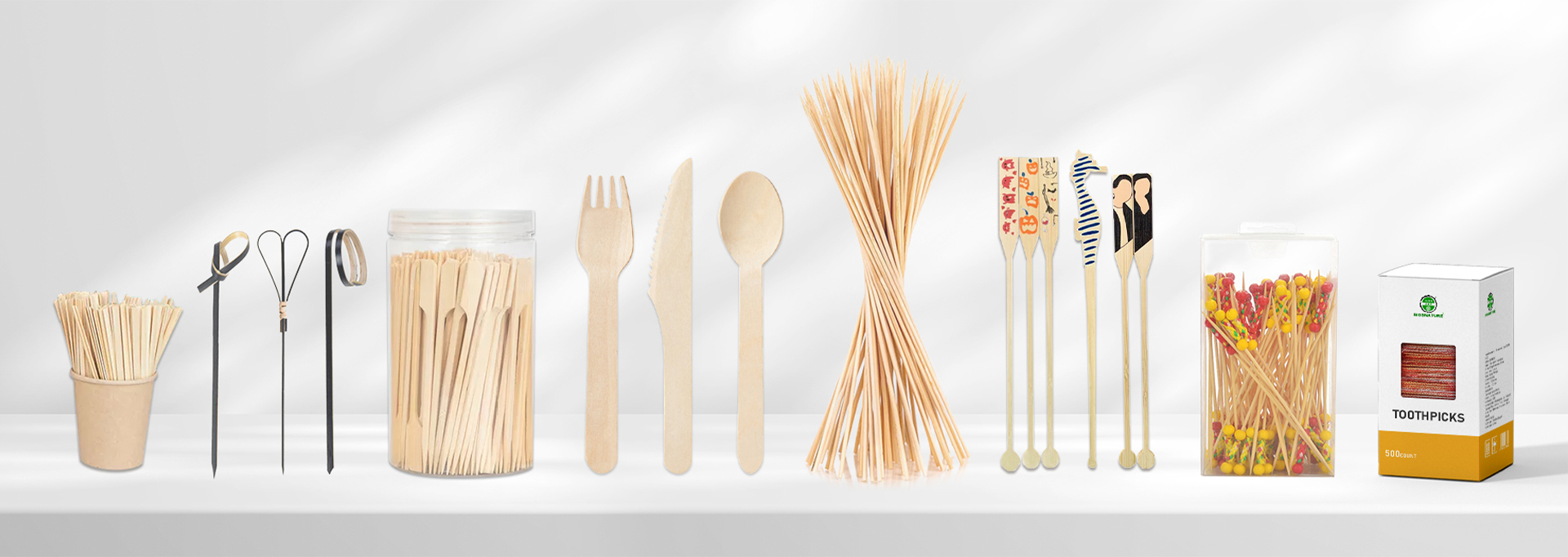
Birch vs. Bamboo Disposable Chopsticks: Which Has Higher ROI in Greasy, Humid Kitchens?
When outfitting a high-volume restaurant, hot pot joint, or quick-service delivery hub, non-negotiable kitchen realities dictate every single supply choice: intense heat, extreme humidity, and high concentrations of grease. While front-of-house aesthetic matters, back-of-house operations quickly reveal whether your dishing line, packing setup, and takeout gear can handle the heat—or fail under pressure. One item that quietly eats into margins through waste, splintering, and poor customer feedback is the humble single-use chopstick. Choosing between commercial disposable chopsticks made of birch wood or bamboo isn’t just about unit price; it’s a decision that impacts operational speed, food presentation, and your ultimate return on investment (ROI). Here is a practical...Learn more -

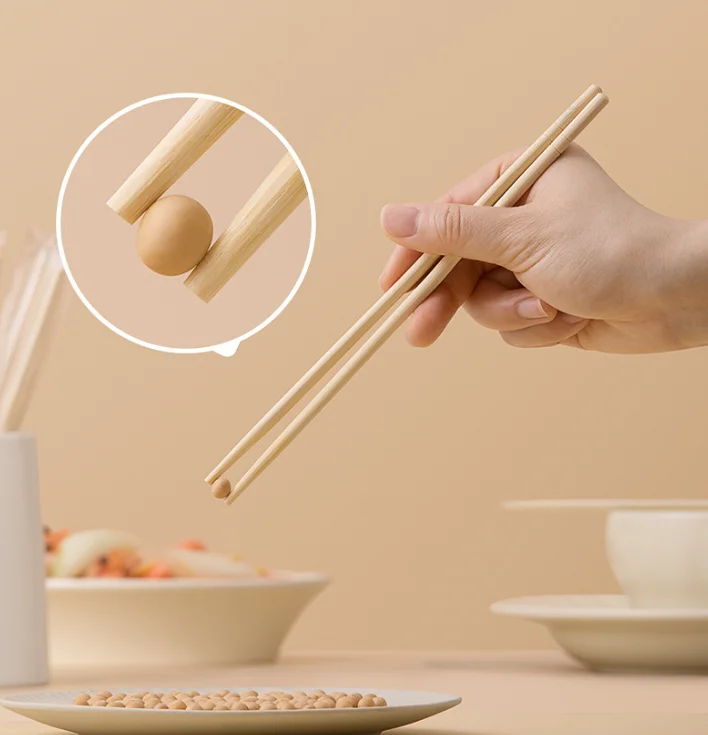
Why Do Toothpicks Always Jam in Dispensers? The 2026 Ultimate Guide to Length-to-Diameter Ratios and Dispenser Compatibility
For restaurant operators, hotel procurement managers, and high-end household goods distributors, a seemingly insignificant toothpick dispenser can often turn into a hidden trap that triggers customer complaints and damages the user experience. You fill the container to the brim, but when a guest presses the automatic dispenser or tilts it, either not a single toothpick comes out, or they jam midway, or worse, a dozen spill out all over the table. This is rarely the consumer’s fault. The root cause lies in the toothpick’s manufacturing tolerances, surface friction coefficients, and flawed length-to-diameter ratio design. From a B2B procurement and product engineering perspective, let’s break down the underlying mechanics of toothpick jamming and present the late...Learn more -
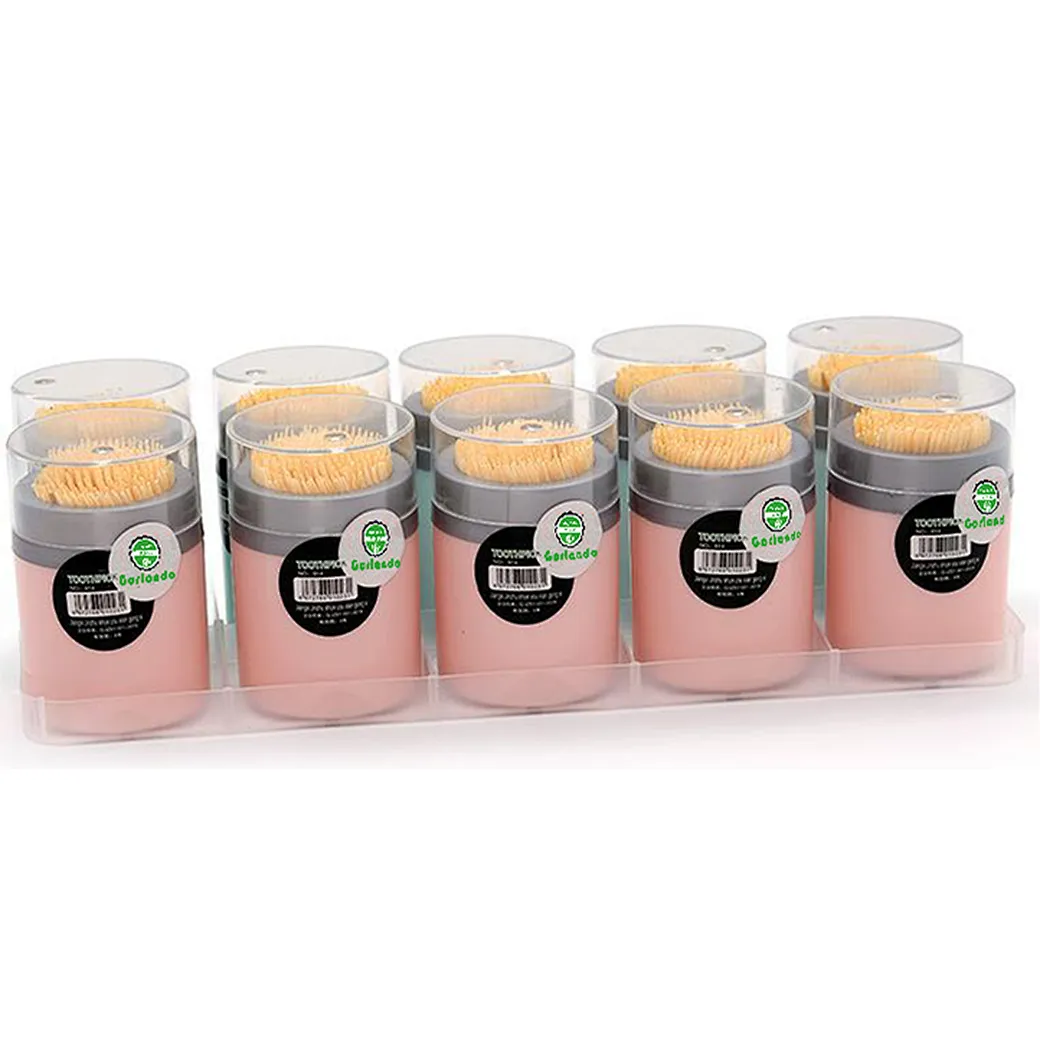
What to Do When Toothpick Buckets Get Damp and Stick Together? Bucket Toothpicks as the Ultimate Solution for High-End Restaurant Front Desk Moisture Control
In daily restaurant operations, managers often focus intensely on kitchen output and front-of-house service workflows, while overlooking a critical detail that easily triggers customer complaints: front desk billing areas and Bucket Toothpicks management. During the plum rain season, humid spring weather, or peak dinner rushes near air conditioning vents, customers pulling a toothpick often find a clump of damp, stuck-together toothpicks. This ruins the first impression of hygiene and causes hidden material waste. Solving toothpick moisture issues requires scientific upgrades across humidity control, container physical structures, and replenishment routines. I. Why Does Front Desk Moisture Happen in Your Restaurant? Store managers often wonder why high-end toothpicks soften, ...Learn more -

PPWR Ushers in a New Era for Packaging Compliance
The European Union’s Packaging and Packaging Waste Regulation (PPWR) has officially entered its application phase, marking one of the most sweeping regulatory overhauls of packaging rules in the bloc’s history. Since August 12, 2026, the regulation has been directly binding across all 27 member states, replacing the 1994 Packaging and Packaging Waste Directive (PPWD) and introducing a harmonized, life-cycle approach to packaging sustainability. Unlike its predecessor, which required national transposition and led to fragmented implementation across member states, the PPWR applies directly without the need for domestic legislation. This shift eliminates the regulatory divergence that has long frustrated businesses operating across multiple EU markets. A Phased Regulatory Timel...Learn more -
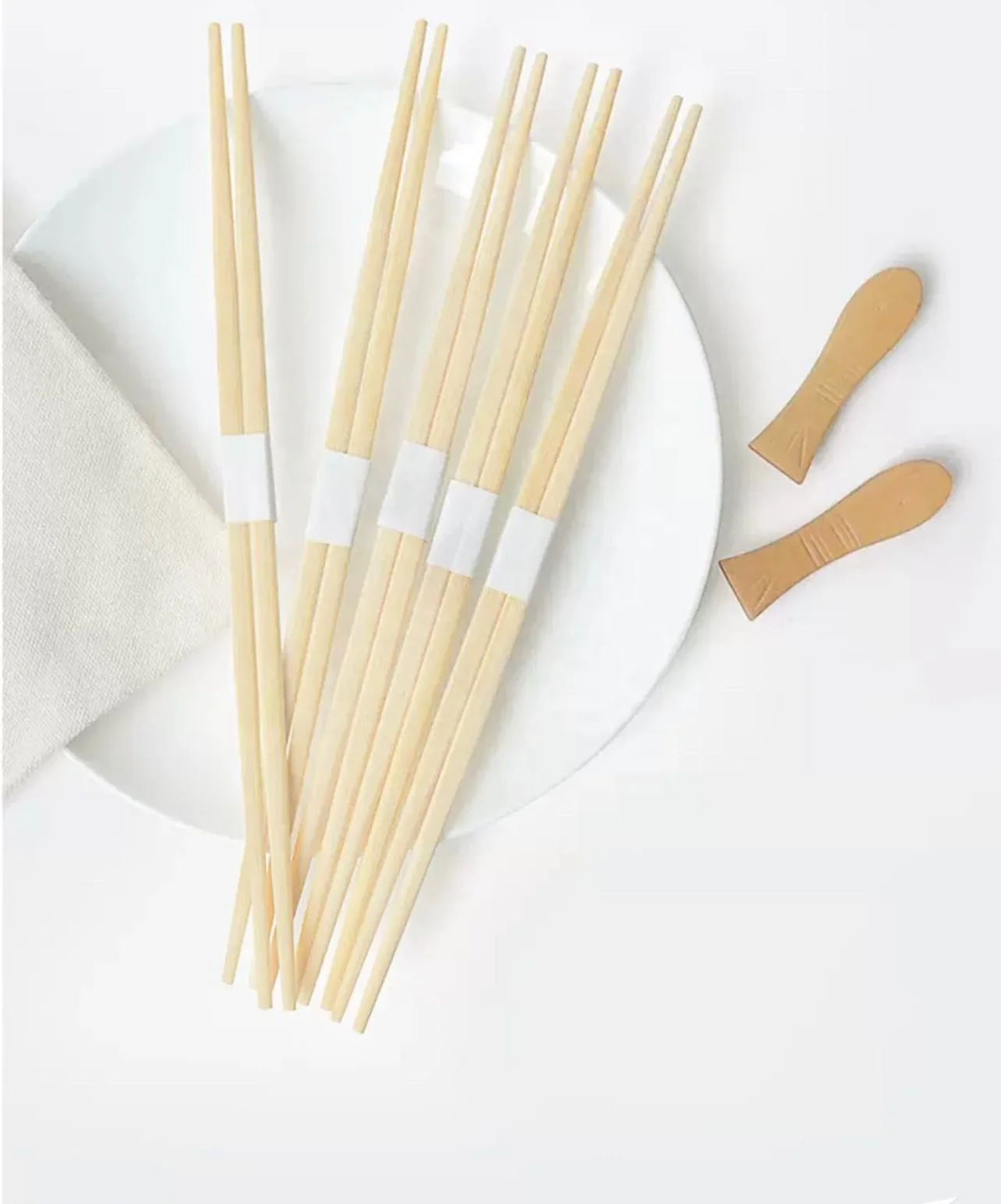
Why Are Global Asian Fusion & Noodle Chains Massively Upgrading to Premium Bamboo Chopsticks?
Managing a high-volume ramen franchise, Southeast Asian bistro, or trendy Asian fusion concept in North America or Europe comes with a hidden operational nightmare: dishroom bottleneck costs, high staff turnover, and negative Google or Yelp reviews triggered by compromised tableware. For decades, Asian restaurants across overseas markets relied heavily on black melamine plastic or stainless steel chopsticks under the assumption that reusability equals cost savings. However, commercial dishwashers operating at 185°F with harsh detergents degrade plastic utensils over time, causing warping, discoloration, surface scratches, and residual odor retention. Steel chopsticks feel cold, heavy, and extremely slippery when handling dense ramen noodles or dim sum. When diners obsessively wi...Learn more -
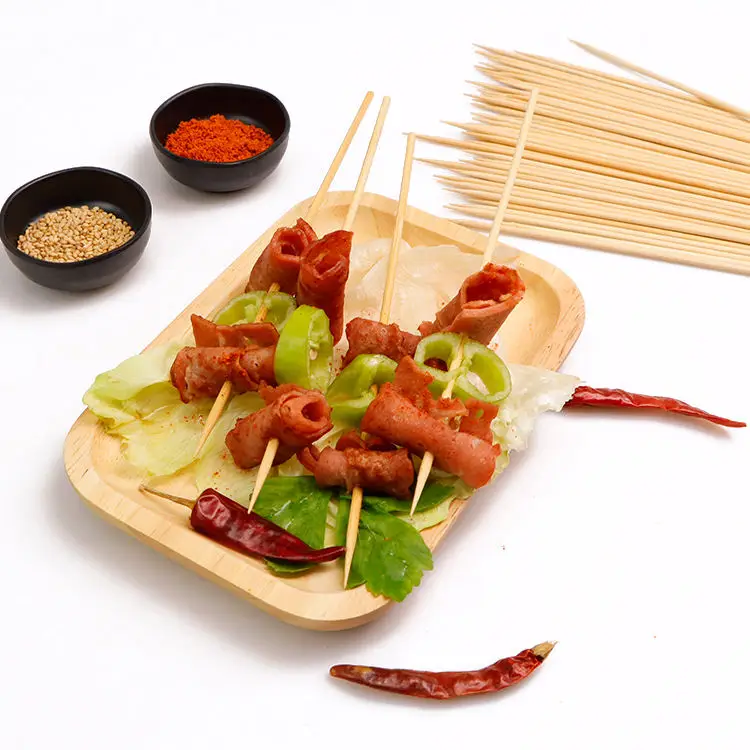
Stop Buying the Wrong Skewers! Round vs. Flat vs. Square vs. Knot: Which One Fits Your Menu?
In a busy commercial kitchen, bamboo skewers seem like minor accessories—until they ruin a batch of high-end meat or make a carefully crafted platter look cheap. Many restaurant owners face constant headaches: meat slipping endlessly when flipped, food cooking unevenly, or elegant finger foods looking visually flat. More often than not, the culprit isn’t your kitchen team’s technique—it’s using the wrong type of skewer. With so many skewer styles available, how do you make the right choice? Here is a practical breakdown of 5 common bamboo skewer types to help you streamline kitchen ops and boost food presentation. 1. Comparing the 5 Essential Bamboo Skewer Types 1. Round Bamboo Skewers: Budget-Friendly, But With Limits Features: Standard circular c...Learn more -
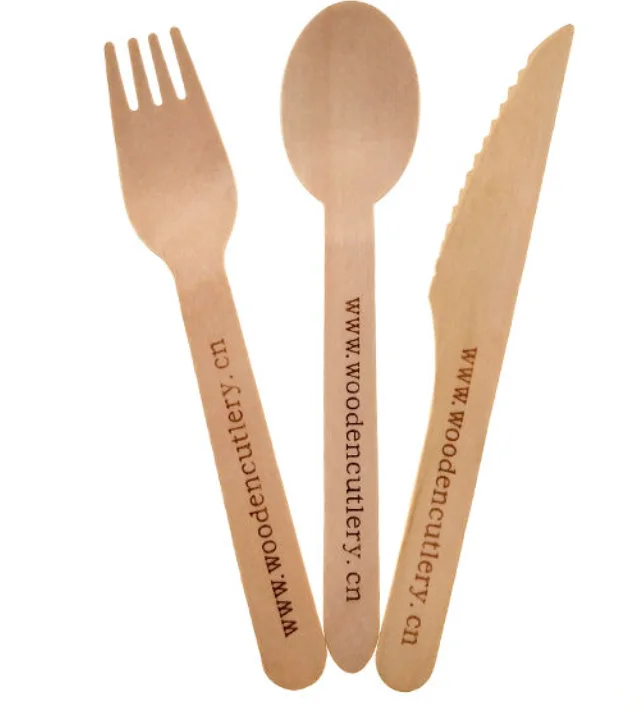
Bamboo vs. Wooden Cutlery: The Ultimate Choice Guide for Foodservice Businesses
With global plastic restrictions tightening, switching to eco-friendly disposables is no longer optional—it is an industry standard. However, restaurant owners and procurement managers often encounter a common dilemma: Should you choose bamboo cutlery or wooden cutlery? While both appear to be eco-friendly natural alternatives, their real-world performance varies significantly across strength, moisture resistance, cost, and dining experience. Making the wrong choice can compromise food presentation, anger customers with broken utensils, or unnecessarily inflate operational expenses. Here is a practical breakdown across four key dimensions to help you make the most cost-effective and brand-aligned choice. 1. Strength and Durability: Flexibility vs. Hardness A utensilR...Learn more -

Don’t Let a $0.01 Skewer Ruin Your Brand!Knot vs. Paddle Bamboo Skewers B2B Sourcing & Technical Guide
In the food service and hospitality supply chain, disposable bamboo skewers may seem like minor items, but they directly impact customer dining experience and brand reputation. Sourcing low-quality skewers comes with high hidden costs: painful splinters that cause guest complaints, knots that untie during food prep, sliders and barbecue cuts that spin and collapse on the plate, and ocean freight cartons ruined by mold. As a direct factory manufacturer specializing in eco-friendly disposable bamboo tableware, Gorlando provides a technical analysis of Knot Bamboo Skewers and Paddle Bamboo Skewers. Learn how physical material specs, mold-prevention packaging, and logistics optimizations protect importers and distributors from costly sourcing risks. 1. Technical Specifications &a...Learn more -
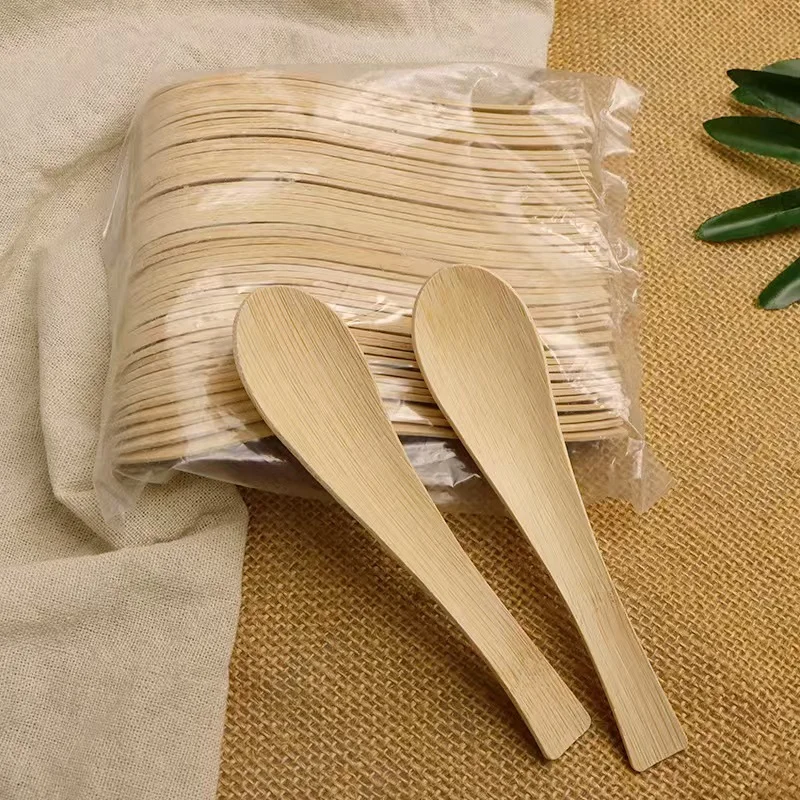
Bamboo Cutlery Wholesale: 2026 Buyer’s QC & Spec Guide
By the Gorlando Export Team — Guangzhou Gorlando Commodity Co., Ltd., a bamboo and eco-friendly disposable tableware manufacturer operating since 2010 (15+ years), exporting to 28 countries from a 20,000 m² production base with three branch plants. Direct answer: Sourcing bamboo cutlery wholesale in 2026 means qualifying a factory on four things, not just unit price: food-contact certifications (FDA for the US, LFGB for the EU/UK, FSC for sustainable sourcing), measurable quality controls (smooth splinter-free finish, water absorption ≤8% after 24h, thermal stability to 70°C), realistic MOQs and lead times, and a documented OEM/private-label process. A certified, 15+ year factory with in-house QC protects you from customs holds, recalls, and batch defects far better than the cheapes...Learn more -
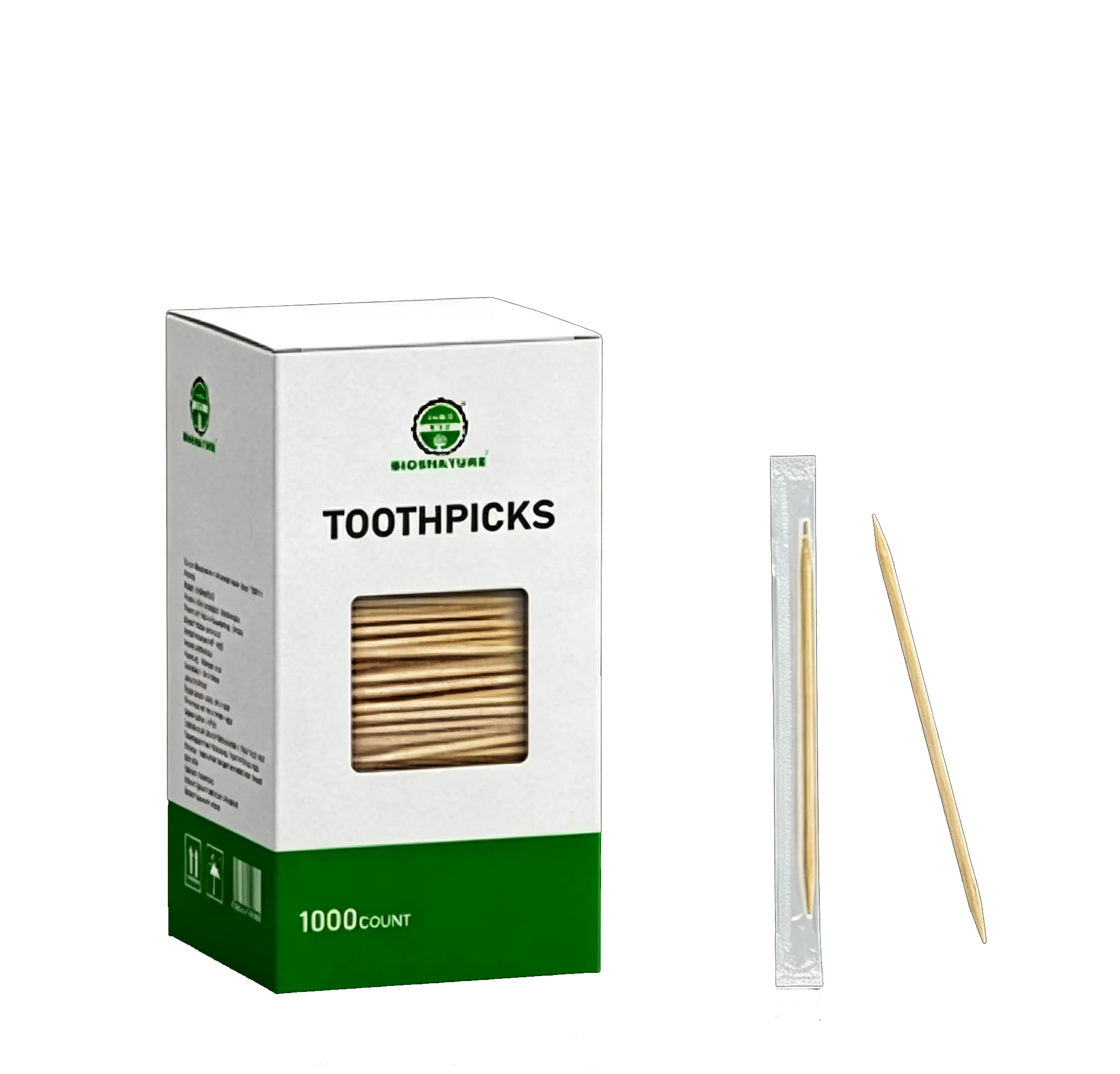
Disposable Toothpicks Bulk Purchasing Guide: QC Tests and Preventing Wrapper Bursting
When importing or buying Disposable Toothpicks in volume, the biggest pain point is not delivery lead time—it is opening a newly arrived container only to find wrappers popping open on automated dispensing lines or toothpicks emitting a harsh chemical sour odor that triggers customer complaints. For importers, foodservice distributors, and procurement teams managing Bulk Paper Wrapped Toothpicks, a fraction-of-a-cent price drop often hides serious raw material and heat-sealing defects. Implementing practical toothpick quality inspection procedures directly at the factory or warehouse level is essential to safeguarding your brand. 1. Root Out Odors & Chemical Residue: Spotting Excess Sulfur Dioxide (SO₂) A common misconception in the industry is that weird odors stem on...Learn more