Welcome to Guangzhou Gorlando Commodity Co.,ltd
 English
- English
 Русский
 Português
 Español
 Français
 Deutsch
 العربية
 简体中文
简体中文 日本語
日本語 한국어
한국어

News
-
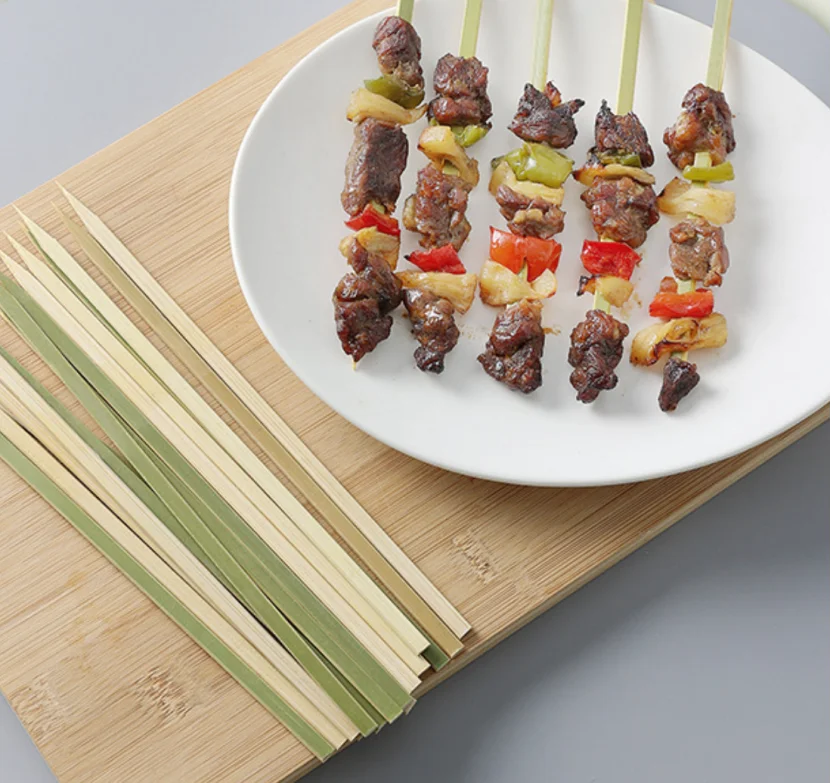
Flat Bamboo Skewers vs Round Skewers: What’s the Real Anti-Slip ROI for Commercial BBQ Wholesale?
Every minute a line cook spends using tongs to hold down a spinning chicken kebab is a minute wasted on your kitchen’s bottom line. When high-fat meats heat up over an open flame, muscle fibers shrink and fat lubricates the wooden shaft. On a traditional round stick, the handle turns, but the meat stays put—leaving one side charred and the other raw. If you’re sourcing anti-slip BBQ skewers wholesale or evaluating restaurant-grade bamboo skewers for your distribution network, solving this friction point is the single easiest way to deliver real ROI to your food service clients. Switching from round dowels to flat profiles changes the fundamental mechanics of commercial grilling: wider surface area means natural mechanical lock, zero axis spin, and faster kitchen t...Learn more -
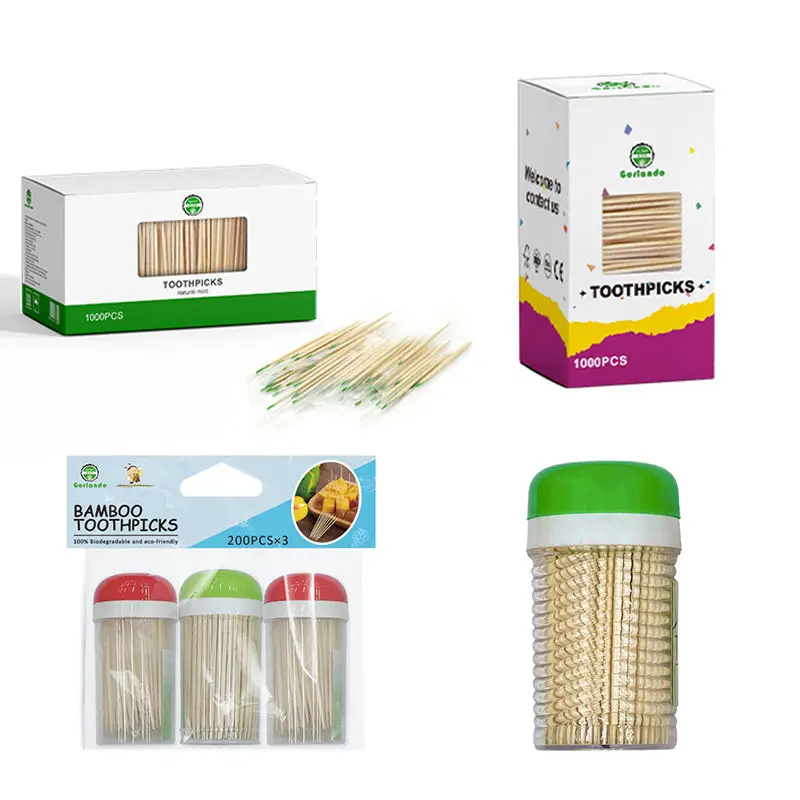
Stop Losing 15% Profit to Dull Toothpicks: Ocean Freight Packaging & Loss Control Guide
For cross-border buyers and importers of bamboo or wooden toothpicks, a common yet painful issue ruins profit margins: container shipping damage. After 30+ days at sea, shipments often arrive with intact outer packaging, but the toothpicks inside the clear plastic jars have turned dull, frayed, or broken at the tips. This defect rate often reaches 10% to 15%, leading to immediate store-level rejections, end-consumer complaints, and margin loss. Why does this happen, and how can sourcing managers enforce rigid packaging controls before signing a Purchase Order (PO)? Here is the practical guide to eliminating toothpick tip blunting during transit. 1. The Root Cause: Ocean Vibration & Micro-Collisions A common myth among suppliers is that “harder plastic jarsR...Learn more -
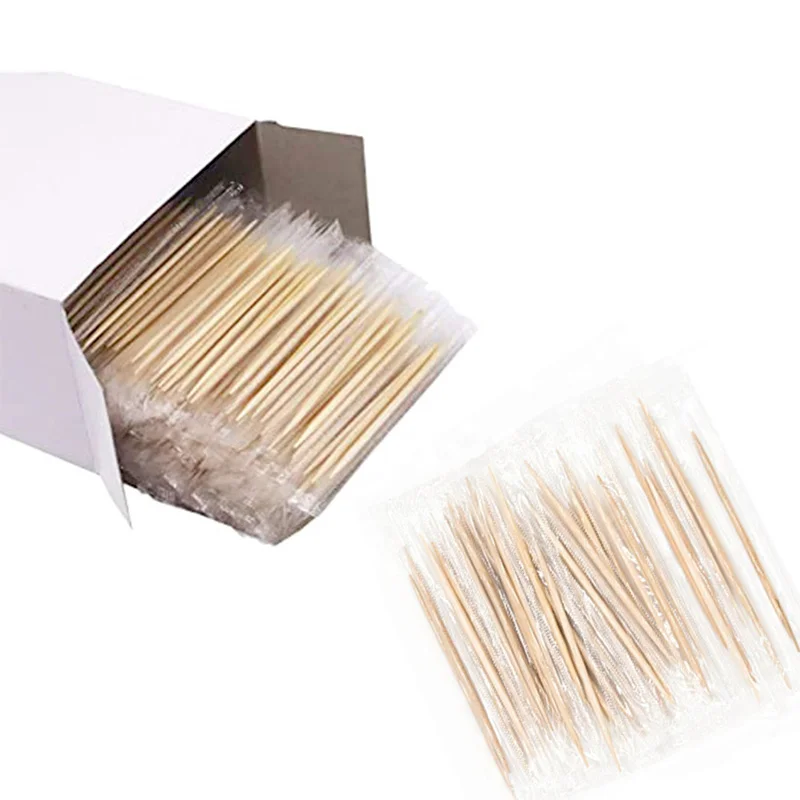
Stop Letting Broken Skewers Ruin Your Banquet: Why Upgrading to 2.5mm Toothpicks Prevents Catering Disasters
Have you ever witnessed this cringe-worthy moment at a high-end buffet, corporate cocktail party, or wedding banquet? A guest gracefully reaches for a piece of thick-cut melon, crispy fried chicken, or a juicy meatball using a wooden toothpick. Snap. The pick snaps clean off at the base. Best-case scenario: food falls onto the floor. Worst-case scenario: splintered wood penetrates the food or injures the guest’s mouth—instantly triggering a severe food safety complaint or liability risk. Many purchasing managers view toothpicks as mere inexpensive disposables. However, in the commercial catering industry, the cost of a ruined customer experience caused by the wrong spec far outweighs the price of the pick itself. 1. The Hidden Cost of the “Snap”: Why Standard 2...Learn more -
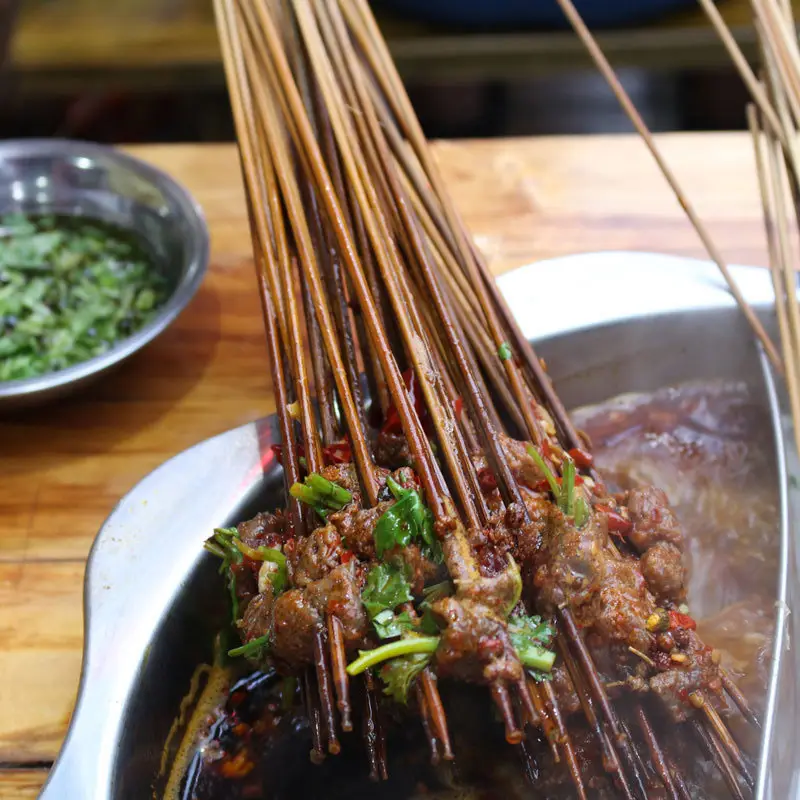
Flat, Square & Round Bamboo Skewers: Stop Meat From Spinning While Grilling
Every grill operator faces a common and annoying problem during daily cooking. Meat chunks spin randomly on skewers over high heat and create uneven cooking results. Poor barbecue bamboo skewers selection causes most sliding and rotating issues for grilled food. Most people adjust meat cutting or marinade recipes to fix this problem. They ignore the simplest solution: choosing the right skewer to prevent grilled meat skewers from spinning. Flat, square and round skewers deliver totally different stability and friction for grilling scenarios. 1. Performance Comparison of 3 Popular Commercial Bamboo Skewers Three types of bamboo skewers dominate commercial grilling supply markets. Their structural differences directly change anti-slip performance, heat resistance and usage s...Learn more -
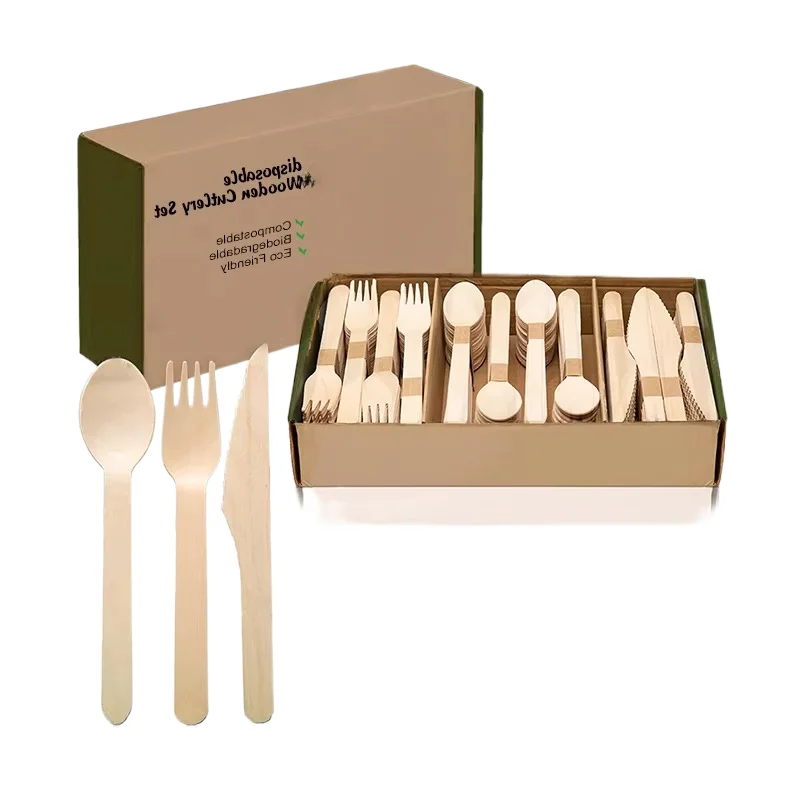
Disposable Wooden Knives for Steak & Pizza: Serrated Angle and Hot Press Quality Guide
Disposable wooden knives that fail to cut thick steaks and crispy pizza crusts create avoidable customer complaints for food service businesses. Low-quality biodegradable wooden cutlery ruins dining experiences and hurts store reputation. Most cutting failures do not come from improper use. They stem from poor wood selection, flawed serrated design, and unfinished heat treatment. With over 15 years of manufacturing experience, Gorlando breaks down the key standards for reliable wooden steak knives and helps buyers avoid common bulk ordering mistakes. Many procurement teams only compare unit prices during selection. This narrow focus ignores core performance factors like cutting power, flexibility, and storage stability. Cheap flat wooden knives work for light desserts. They cann...Learn more -
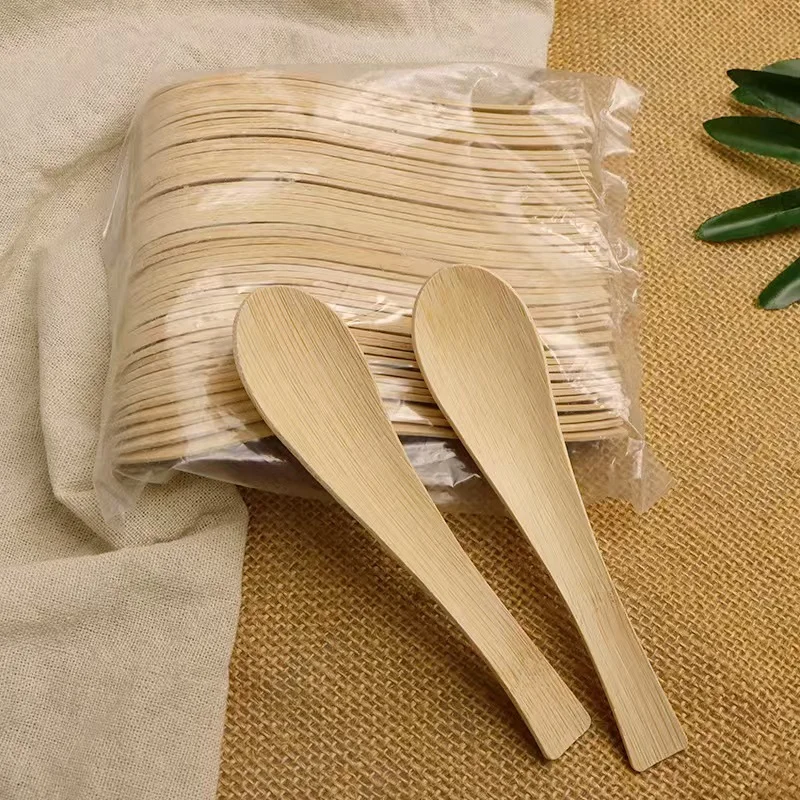
-18℃ Freeze Test: Bamboo Spoon vs Birch Wooden Spoon for Hard Ice Cream Scooping
Dessert shop owners often face broken or bent spoons while scooping hard ice cream. Hard ice cream stays firm and dense at -18°C. It creates strong resistance that breaks regular disposable tableware easily. Bamboo spoons and birch wooden spoons dominate commercial dessert use cases. They serve as the top -18°C hard ice cream spoons for cold storage scenarios. These two materials deliver different low-temperature performance and durability. Smart tableware choices cut waste and improve customer experience greatly. Gorlando holds 15 years of disposable eco-friendly tableware production experience. We share real test data to help business owners pick suitable utensils. Most people think thick utensils resist cold better. This idea does not fit real commercial use. Internal fiber s...Learn more -
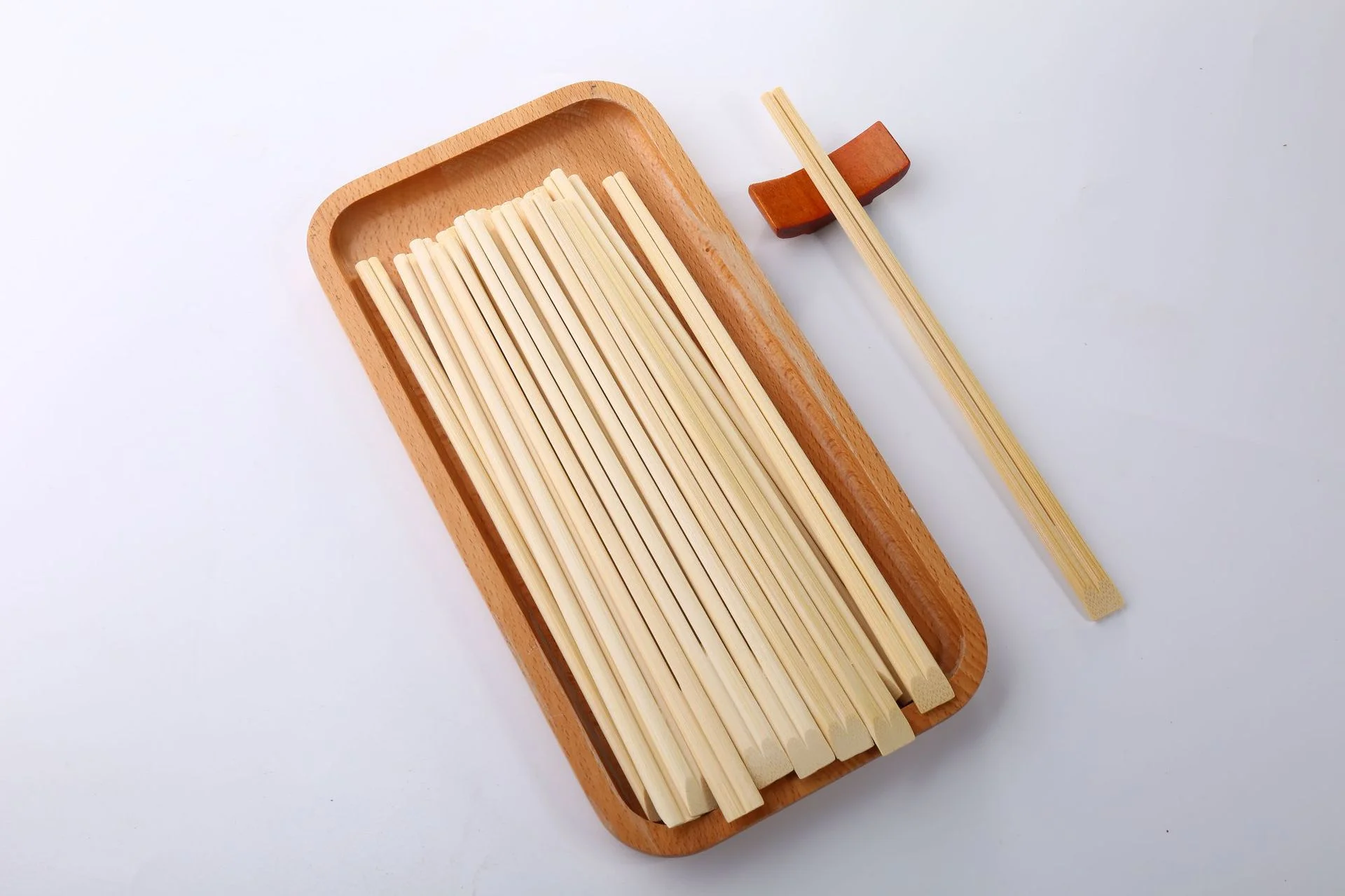
Fix Smudged Chopstick Wrapper Logos: Food-Grade Water-Based Ink Anti-Infiltration Custom Solutions
Many restaurant owners face a common annoying issue. Condensation smudges printed logos on disposable bamboo chopstick wrappers after hot takeout delivery. Poor takeout chopstick wrapper anti-ink-infiltration performance hurts brand image and makes customers doubt food safety. Most people blame defective printing, but condensation and paper penetration cause this problem. Gorlando specializes in disposable tableware customization and solves this exact pain point for catering brands. Sealed takeout bags create hot, humid environments. Hot food produces constant condensation on chopstick wrappers. Ordinary unprocessed paper absorbs moisture fast. It carries printing ink into chopstick surfaces and leaves blurry, messy marks. Ink and base material upgrades form the core fix for ...Learn more -
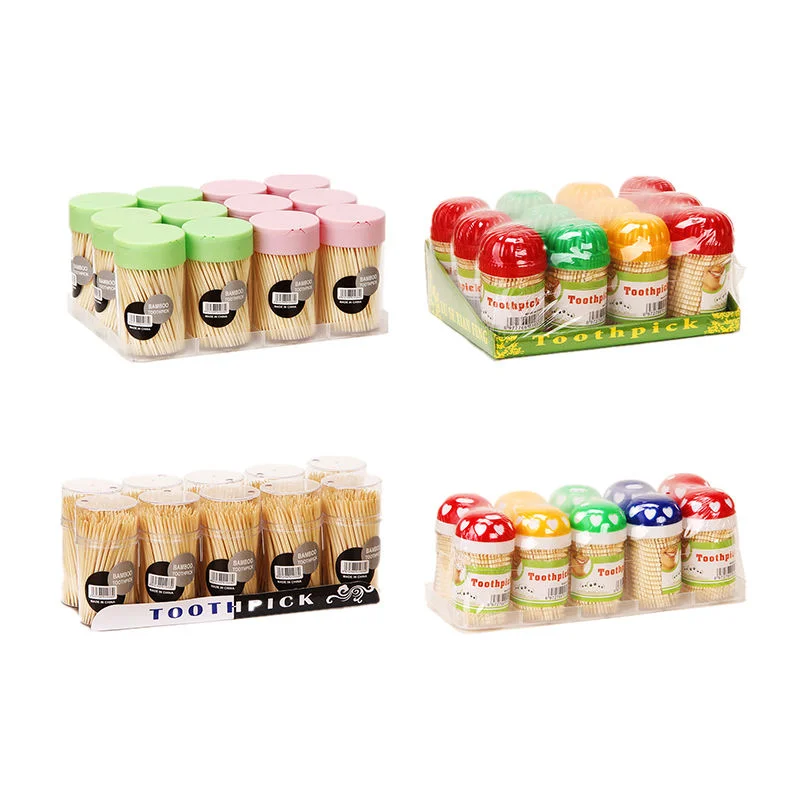
Why Your Bulk Toothpicks Arrive Broken (And How to Protect Flavor and Tips)
Opening a container of bulk toothpicks only to find blunt tips and split wood is a financial nightmare. You paid for premium catering supplies, but shipping vibrations turned them into unsellable waste. Many buyers blame raw bamboo quality for this damage. However, Gorlando proved through thousands of shipments that the real culprit is poor packaging design, not the bamboo. Here is how proper packaging saves your inventory and your budget. 1. Iron vs. Plastic Cans: Real Shipping Damage Data Upgrading to an expensive container material alone cannot stop shipping damage. We tracked our year-round B2B long-distance freight to see how different packaging materials perform without and with proper cushioning. Container TypeUnprotected DamageProtected DamageMain Cause of LossFlav...Learn more -
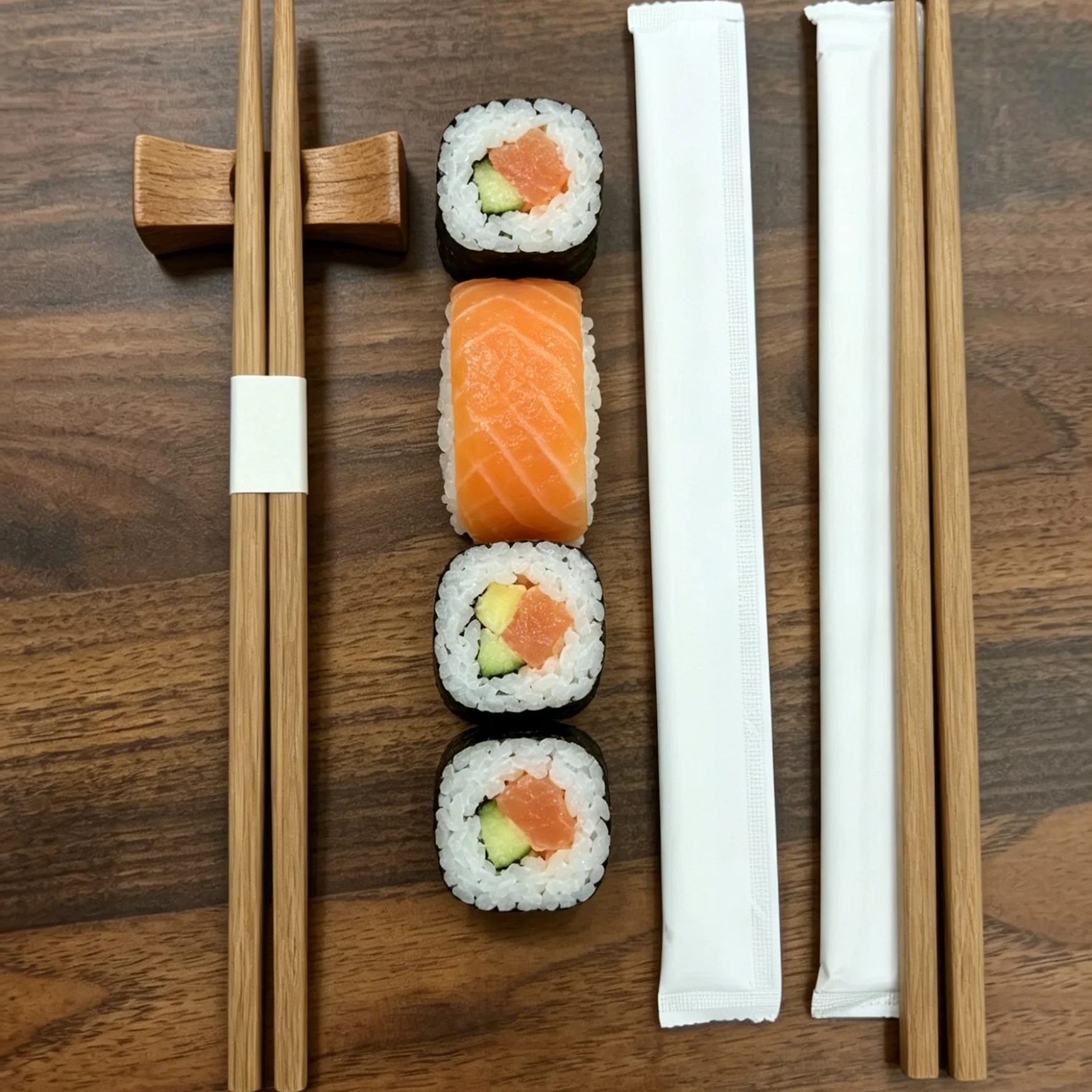
Birch Wood vs. Bamboo Chopsticks: Best Commercial Disposable Chopsticks for Greasy, Humid Kitchens
Restaurant buyers face a constant headache in hot, humid kitchens. High-temperature commercial dishwashers blast tableware with 80°C water, causing cheap disposable chopsticks to warp and grow black mold. This ruins your restaurant’s hygiene reputation and drives up supply costs. Many buyers think birch wood and bamboo perform the same because both are natural materials. However, their internal fiber structures differ completely. Choosing the right material keeps your operations smooth and your customers happy. 1. Inside the Fiber: Why Bamboo Beats Birch in Damp Kitchens The core difference lies in the invisible fiber structure. This structure determines how fast chopsticks absorb water and resist mold. Material Reaction to Moisture: Birch Wood: Loose, porous ...Learn more -
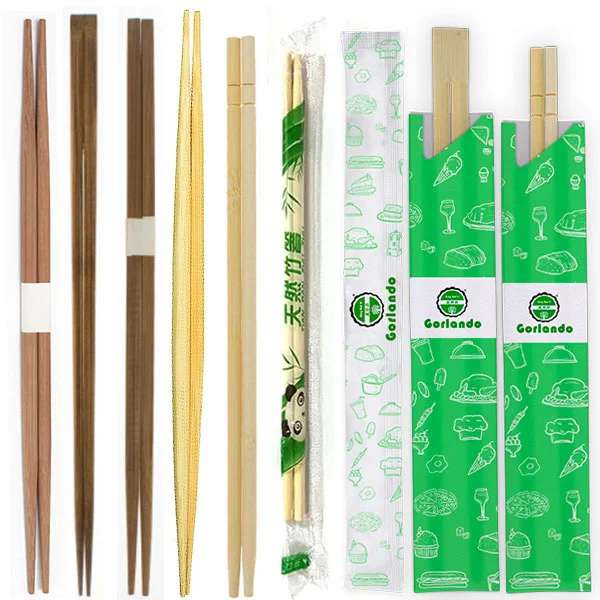
Individually wrapped chopsticks Condensation & Mold Solutions: Paper Sleeve Packaging Guide for High-Humidity Tropical Environments
Most catering supply chain professionals face a tricky quality control challenge when purchasing bulk individually wrapped chopsticks. Even bamboo chopsticks that pass standard high-temperature drying and factory moisture inspections are prone to mass mold deterioration before the expiration date. The core cause is condensed water accumulating inside fully sealed OPP plastic wrappers during long-term transportation and storage in hot and humid tropical regions. This has become one of the most frequent product loss issues reported by catering outlets, food distribution companies, and supermarket supply chains worldwide. Many procurement teams fall into a repetitive cycle of returns, excessive inventory loss, and damaged brand reputation, all stemming from underestimated packaging st...Learn more