
 Русский
 Português
 Español
 Français
 Deutsch
 العربية
 简体中文
简体中文 日本語
日本語 한국어
한국어
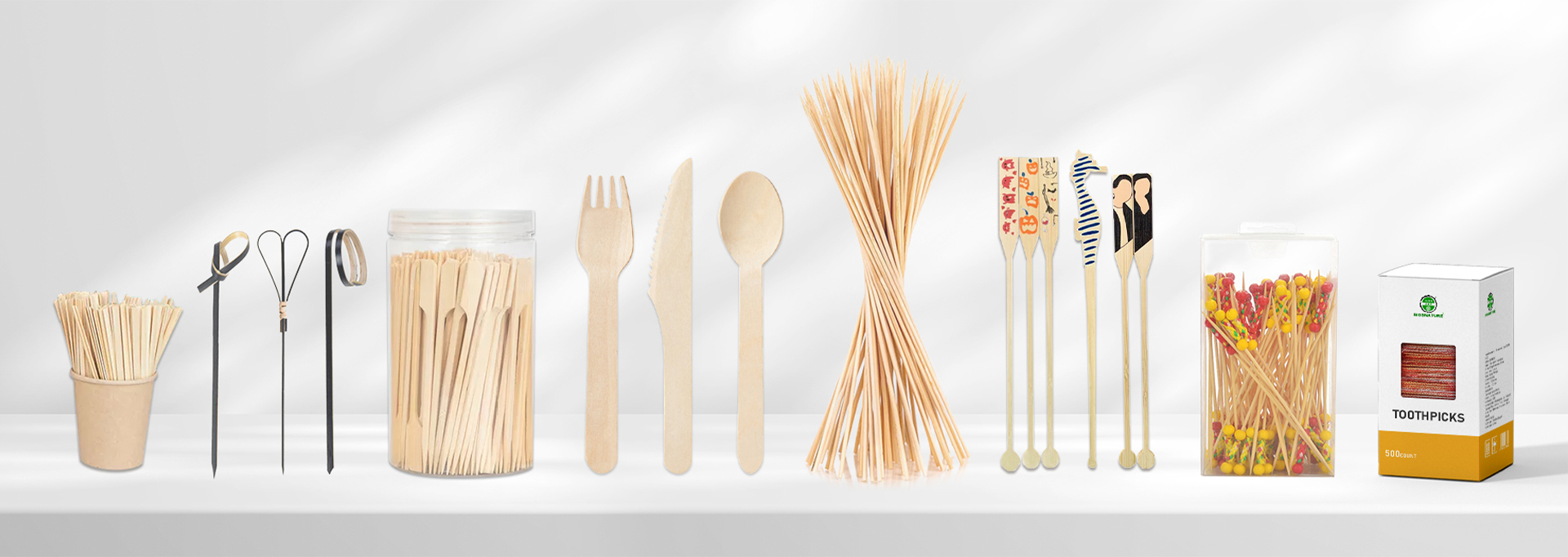
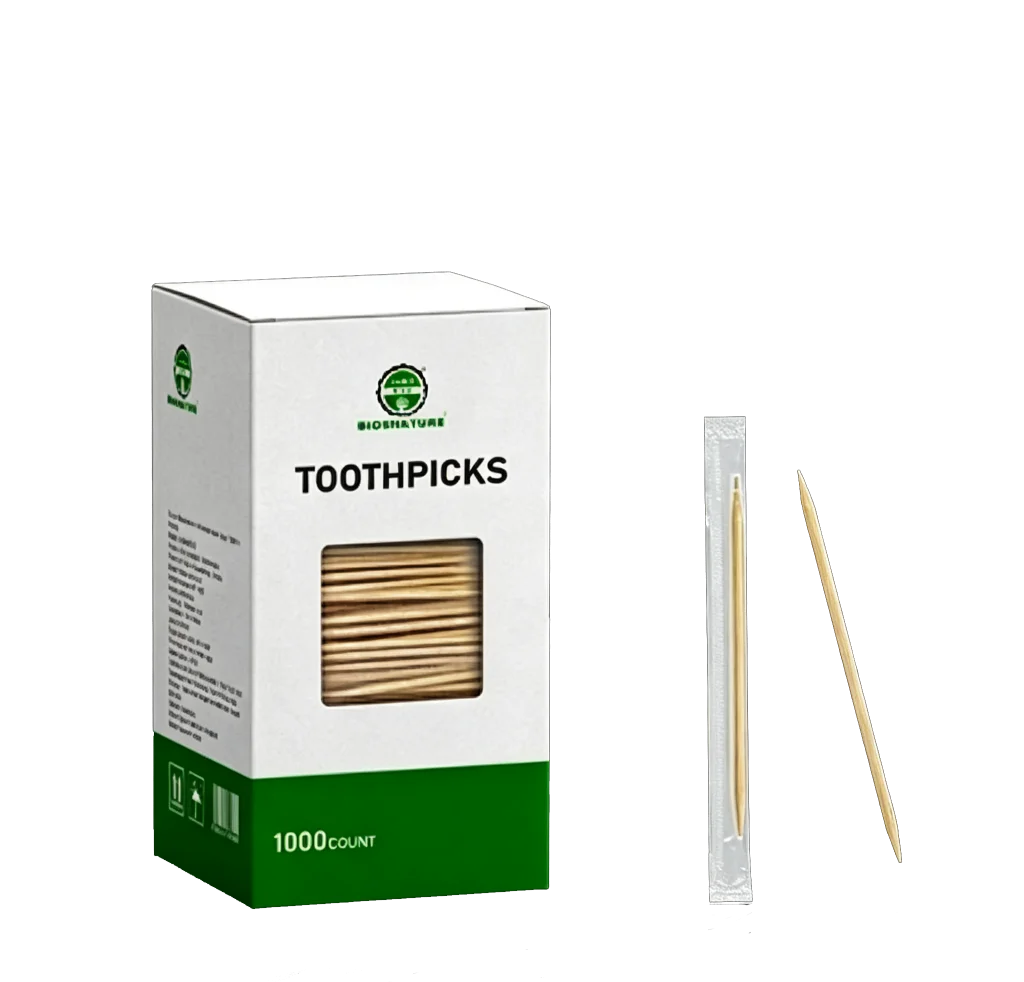
When importing or buying Disposable Toothpicks in volume, the biggest pain point is not delivery lead time—it is opening a newly arrived container only to find wrappers popping open on automated dispensing lines or toothpicks emitting a harsh chemical sour odor that triggers customer complaints.
For importers, foodservice distributors, and procurement teams managing Bulk Paper Wrapped Toothpicks, a fraction-of-a-cent price drop often hides serious raw material and heat-sealing defects. Implementing practical toothpick quality inspection procedures directly at the factory or warehouse level is essential to safeguarding your brand.
1. Root Out Odors & Chemical Residue: Spotting Excess Sulfur Dioxide (SO₂)
A common misconception in the industry is that weird odors stem only from damp bamboo getting moldy. In reality, a pungent sour stench and a musty moldy smell originate from completely different process failures.
Young Bamboo vs. Excessive Bleaching
The causes and consequences of common odor defects are summarized below:
| Defect Type | Raw Material Defect | Key Process Failure | Quality Risk Outcome |
| Sour Stench & Toxicity | Harvested 1-2 year immature or spotted bamboo | Over-bleaching with excessive sulfur dioxide | High residual sulfur dioxide (SO₂) causing harsh chemical sour odor and oral health hazards |
| Mold & Container Rot | Incomplete drying process with moisture >10% | High heat and humidity during ocean transit causing container sweating | Trapped moisture condenses inside boxes, causing batch-wide mold and total shipment loss |
High-quality bamboo toothpicks in bulk use mature bamboo that naturally provides a clean look without heavy chemical bleaching.
Field Testing Methods for Chemical Odors
Inspectors can verify chemical residues quickly with these on-site testing steps:
- Sample Soaking: Submerge 30 random toothpick pieces in 50 mL of warm water (around 40°C) inside a sealed jar for 15 minutes.
- Smell Inspection: Unseal the jar and smell immediately. Premium raw bamboo releases only a subtle natural woody scent; a sharp acidic or sulfur smell signals dangerous sulfur dioxide residue.
- pH Value Check: Dip a precision pH test strip into the soak water. Safe products yield a pH between 6.0 and 7.0. A reading below pH 5.0 indicates strong acidic bleaching agents remaining on the picks.
Compliance & Food Safety Standards
When sourcing Independent toothpick purchase orders for international markets, verify that your supplier provides valid testing documentation:
- US Market: FDA 21 CFR 178.3800 food contact compliance.
- European Market: EU No 10/2011, AP(2002)1, or German LFGB testing for heavy metals and sulfur dioxide migration.
2. Preventing Packaging Bursting on Automated High-Speed Lines
In fast-food operations and automated packing lines, wrapped items must run cleanly. Poor heat-sealing leads to popped edges, jammed machines, and severe Toothpick packaging with burst edges losses.
Packaging Material Comparison: Single Paper Wrapped vs. PE Film
| Feature | Single Paper Wrapped | PE Plastic Film Covered |
| Environmental Impact | 100% biodegradable virgin wood pulp paper | Plastic polymer subject to single-use plastic restrictions |
| Material Specs | 28 to 35 gsm food-grade paper with seal coating | 18 to 25 Micron polyethylene film |
| Common Defects | Uneven adhesive coating causing open side seams | Overheating burns through film; underheating causes weak seal |
| Branding Quality | Ideal for high-definition custom logo paper wrapped toothpicks | Lower ink adhesion; susceptible to scuffing |
| Target Usage | Mid-to-high end restaurants, quick-service chains, Western exports | Budget food courts and cost-sensitive wholesale markets |
Paper Wrapper Heat-Seal Testing & Perforations
To ensure wrapped products hold up under machine pressure:
- Destructive Pull Test: Pull both sides of the wrapped seam apart manually. A proper seal exhibits a fiber-tearing bond where the paper pulls apart rather than the glue peeling off cleanly.
- Serrated Perforation: Wrapper ends must feature clear serrated cut lines (E-Z open edges) so consumers can open them effortlessly without tear frustration.
Main Causes of PE Film Bursting
Film bursting typically happens due to two mechanical issues:
- Film thickness under 18 Micron stretches thin under automated heat rollers, creating micro-boils or tears.
- Unstable sealing temperatures on packaging equipment result in cold seals that pop open or burn holes through the film.
3. Flexural Strength & Safety Standard: 90-Degree Bend Test
Because toothpicks contact oral tissue directly, splinters and premature snapping present severe safety hazards.
Burrs and Splinter Prevention
Smooth surface polishing requires strict factory processing:
- Palm Friction Test: Place approximately 50 raw toothpicks between your palms and rub them back and forth vigorously for 10 seconds.
- Inspection Criteria: Your palms should feel no sharp prickles, and no wood dust or splinters should drop onto the surface. Reliable factories use multi-stage wet washing and dry friction tumbling to eliminate burrs.
Flexural Strength & Bamboo Age Selection
Toothpick brittleness is directly tied to bamboo density:
- 90-Degree Bend Test: Hold both ends of the toothpick and slowly flex it into a 90-degree curve to observe the fracture behavior.
- Quality Verdict: Low-grade picks break cleanly under a 45-degree bend, leaving powdery ends. High-grade picks hold flexibility at 90 degrees and display long, interconnected fibers if forced to break.
Top-tier manufacturers sourcing raw materials select 4 to 6-year-old mature bamboo, as its fiber density yields maximum tensile strength and flexibility.
Procurement FAQ
What is the optimal moisture content for bulk toothpicks?
Ideal moisture levels for export storage range from 6% to 8%. Moisture above 10% invites container sweat and mold growth during maritime shipment, while levels below 4% make bamboo fibers brittle and prone to breaking.
How do I check if custom wrapper printing will smudge or bleed?
Specify food-grade water-based ink. During inspection, wipe the printed logo firmly 5 times with a wet paper towel. If ink transfers onto the towel, the ink curing was incomplete or non-food-grade inks were used.
Why do ocean freight costs vary across suppliers with identical product specs?
Outer carton design and inner box packing density vary significantly. Utilizing high-density inner box arrangements (e.g., 1,000 count per box, 50 boxes per carton) saves up to 15% in container volume while reinforcing carton stack strength against bottom-box collapse.
If your business requires a reliable, food-grade supply of non-bursting disposable tableware and toothpicks, feel free to reach out to the Gorlando team. We can provide custom sample kits, heat-seal testing specifications, and OEM options tailored to your automated equipment needs.
发表回复