
 Русский
 Português
 Español
 Français
 Deutsch
 العربية
 简体中文
简体中文 日本語
日本語 한국어
한국어
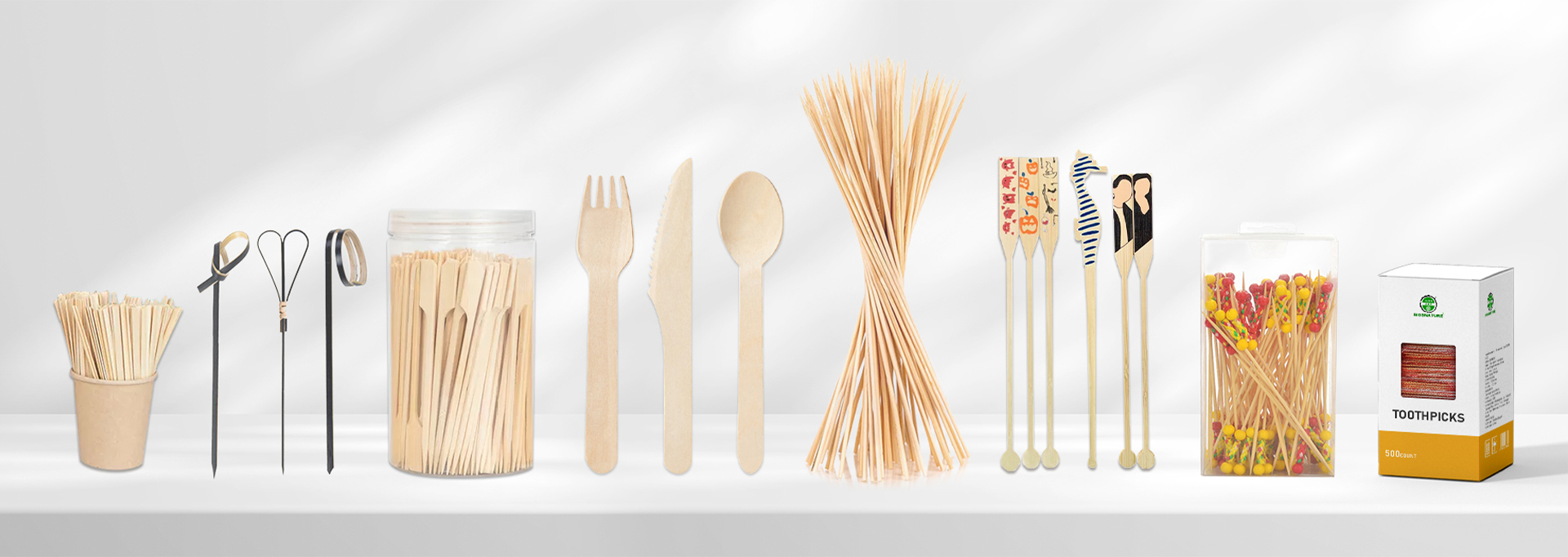
As a professional custom manufacturer of disposable tableware, Guangzhou Gorlando always prioritizes product quality. A recent inspection by the International Food Packaging Association showed that only 64.5% of disposable plastic and paper tableware in China passed quality tests. How to avoid low-quality products in daily use? Let’s break down the identification tips with Q&As and practical steps.
1. Plastic Food Containers: Don’t Be Tricked by Low Prices
Q: Why do some small restaurants prefer cheap plastic containers? What’s the harm?
A: Low-quality containers cost only a few cents each—30% cheaper than qualified ones—making them popular with some small businesses. However, they contain large amounts of industrial calcium carbonate, talc powder, or even paraffin. Harmful substances leak into food at high temperatures, which may damage the stomach, intestines, and liver with long-term consumption.
Comparison Table: Low-Quality vs. Qualified Plastic Containers
| Identification Dimension | Low-Quality Containers | Qualified Containers (e.g., Gorlando Custom) |
| Texture & Strength | Soft, tears easily | Flexible, hard to tear |
| Odor & Heat Resistance | Pungent smell, deforms/leaks when heated | Odorless, no deformation with 90℃ hot water |
| Labels & Weight | No brand/date, heavier (sinks in water) | Complete production info, density <1 (floats) |
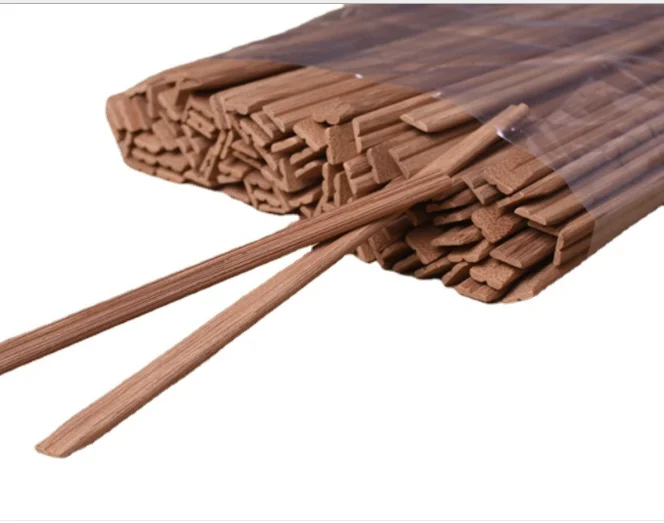
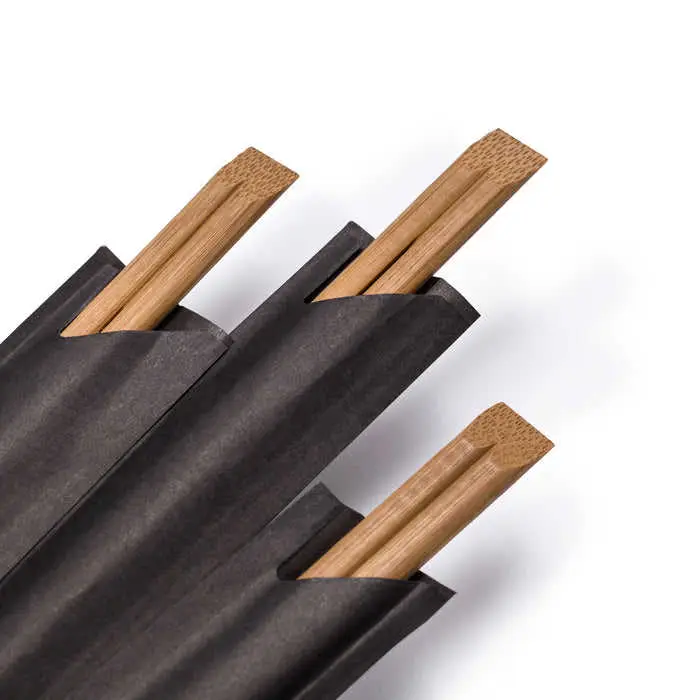
2. Disposable Chopsticks: Beware of “Over-White” Ones
Q: Many people think disposable chopsticks are hygienic—Is that true?
A: Not necessarily! Small workshops use low-quality recycled wood to cut costs, and even bleach chopsticks with sulfur to make them “white.” Residual sulfur dioxide enters the body with hot soup or porridge, which may cause throat discomfort or allergies.
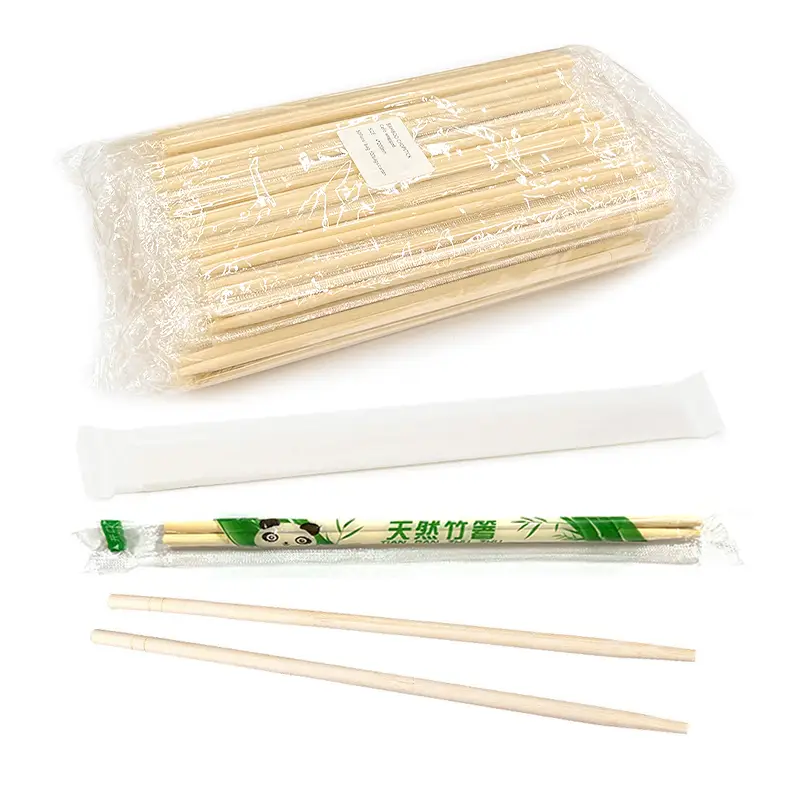
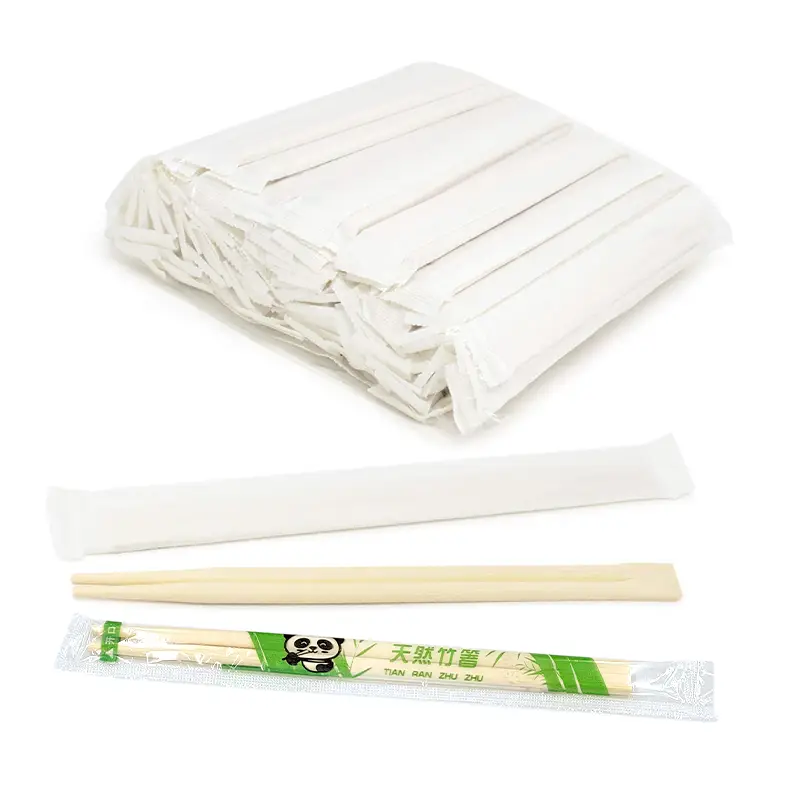
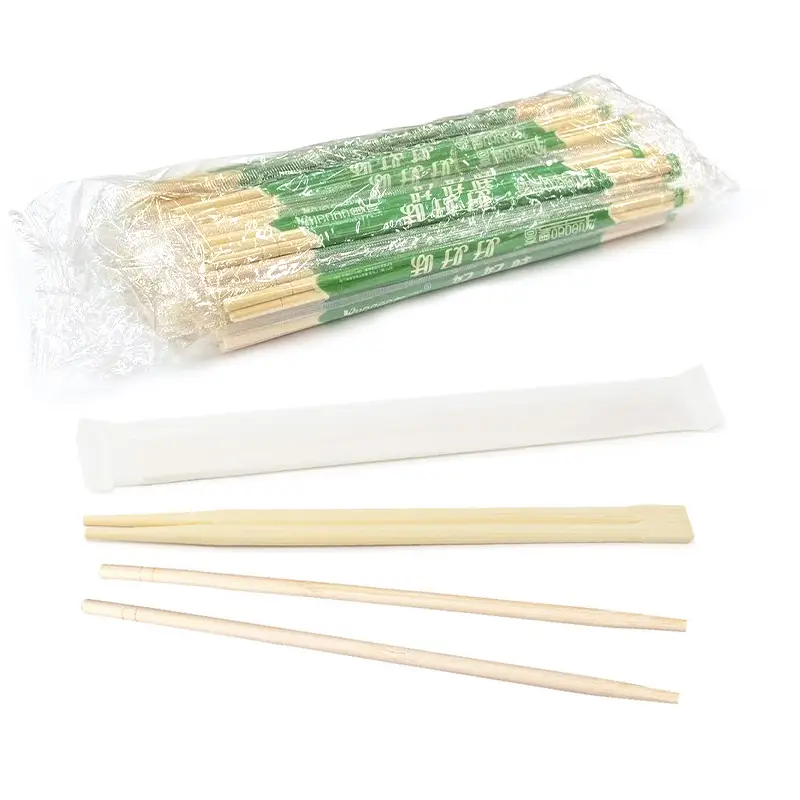
3 Steps for Safe Chopsticks
- Check packaging: It must have the manufacturer’s name and contact info; skip unpackaged chopsticks.
- Judge color: Natural wood color is best; over-white, shiny chopsticks are likely bleached with sulfur.
- Pre-treat before use: Rinse with cold water first; don’t soak in hot soup for long (accelerates sulfur dioxide release).
3. Colored Straws: The Brighter, the More Dangerous
Q: How to choose safe straws for milk tea or drinks?
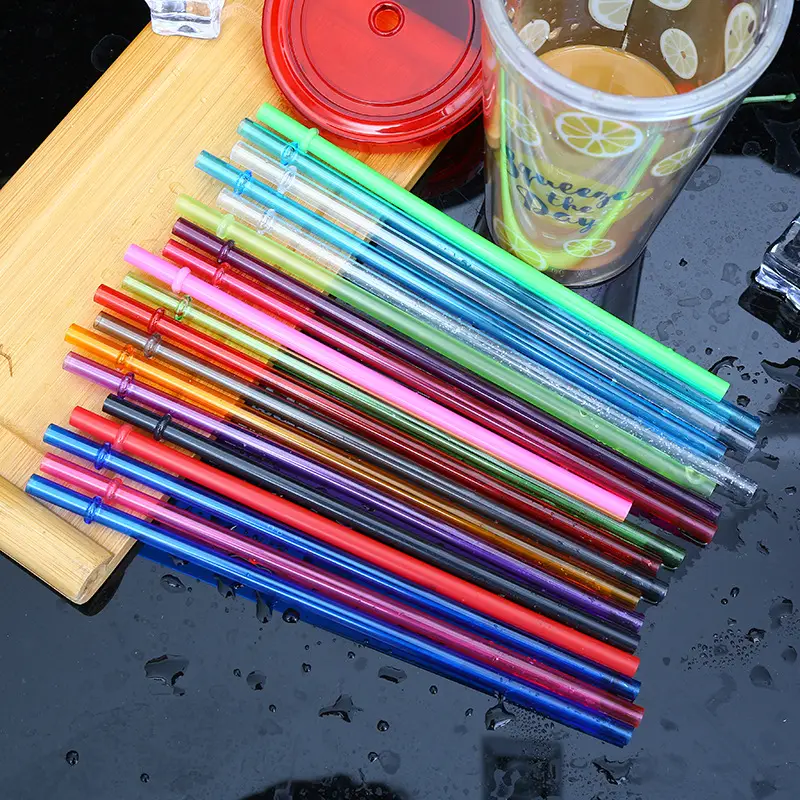
A: Many problematic straws are made from waste plastic. To cover up impure colors, manufacturers add lots of pigments. Brighter colors (e.g., bright red, dark purple) mean more harmful substances, which may damage the liver and kidneys long-term.
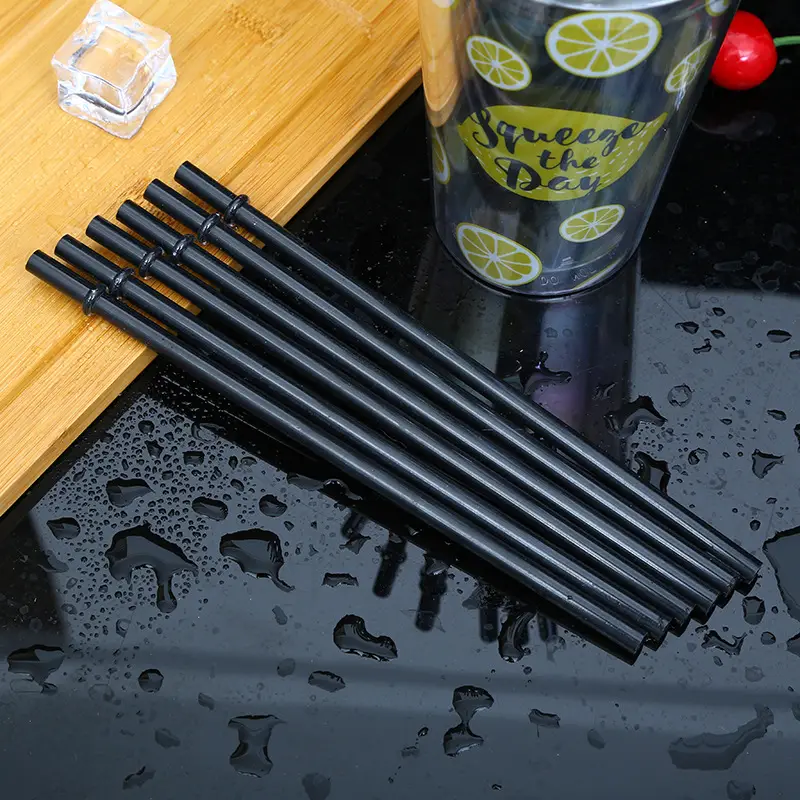
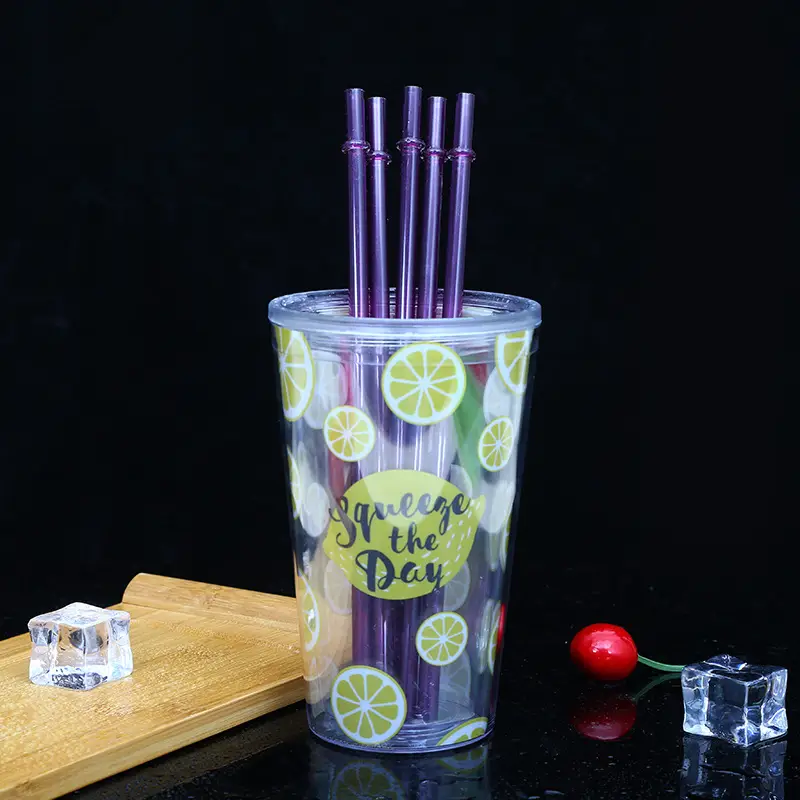
3 Tips for Straw Selection
- Check labels: The package must have production date, shelf life, and production license number (QS/SC mark).
- Avoid dark colors: Choose transparent or light-colored straws; skip dark ones.
- Smell before use: If there’s a pungent or plastic smell, do not use it.
4. Disposable Paper Cups: “Look, Smell, Touch”
Guangzhou Gorlando strictly controls the quality of inner coatings when customizing paper cups to prevent harmful substance migration. Remember these 3 actions when buying cups:
- Look: Hold the cup against light—avoid cups with blue light, impurities, or spots (unqualified coating).
- Smell: Open the package—skip cups with pungent or ink smells (low-quality ink/glue).
- Touch: Squeeze the cup—too soft, easily collapsed cups have poor load-bearing and may cut corners.
Tip: Rinse the cup with boiling water for 10 seconds first to volatilize residual harmful substances.
发表回复