
 Русский
 Português
 Español
 Français
 Deutsch
 العربية
 简体中文
简体中文 日本語
日本語 한국어
한국어
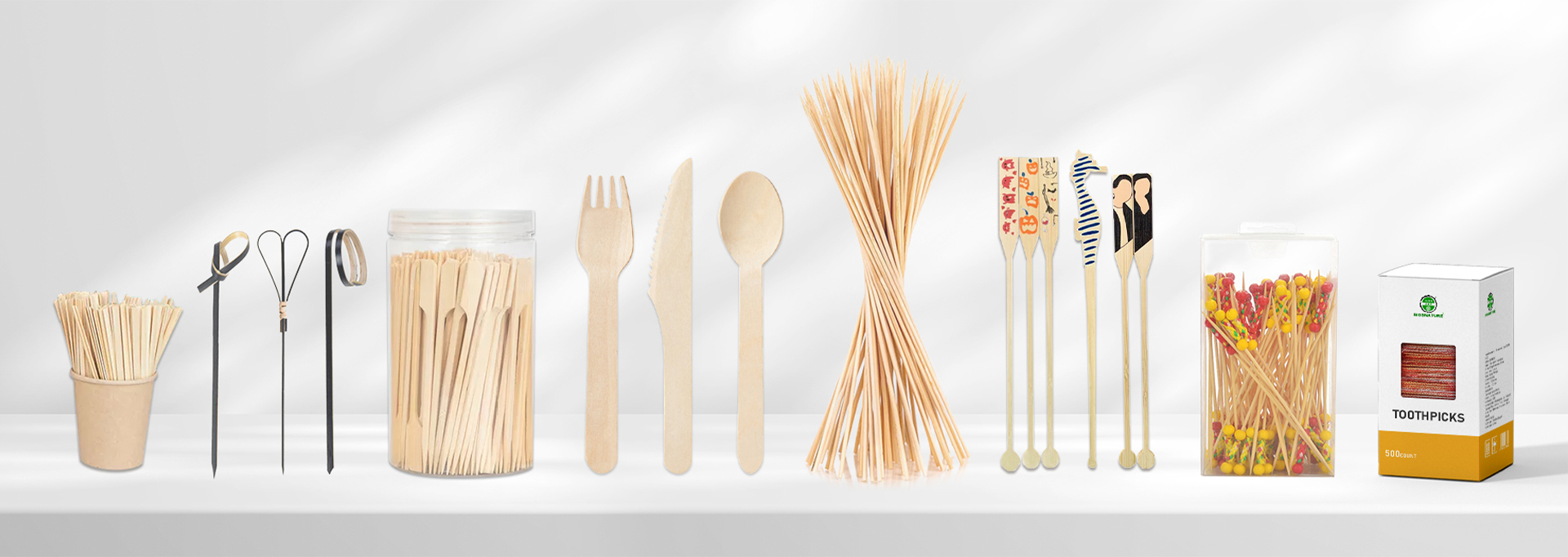
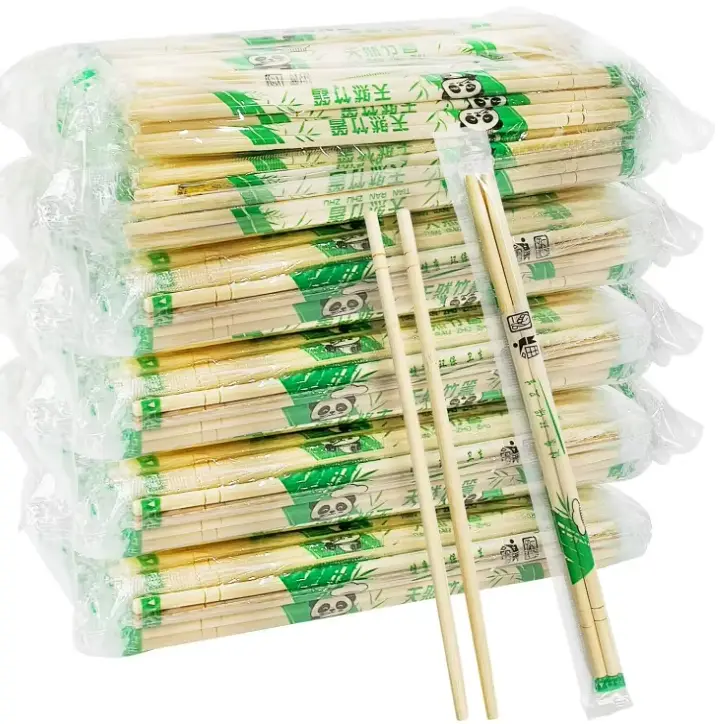
1. The 3-Second Takeout Unboxing Experience: Custom Cutlery Isn’t Just “Pretty” At 10 AM, Zhang in the office unboxes her healthy meal: a kraft paper cutlery set printed with the restaurant’s cartoon logo, containing only chopsticks and a wet wipe (no unused spoon). She snaps a photo for her Moments, captioning “Details win me over—I’ll order again.”
This isn’t an exception. The Q3 2025 Global Foodservice Packaging Trends Report shows takeout accounts for 61% of disposable cutlery demand (up 3 percentage points year-over-year). Brands using custom sets see 49% higher repeat order rates than those using generic ones, and user sharing rates have doubled by 1.8x. For restaurants, it’s no longer “if” to customize, but “how” to avoid mistakes.
2. 3 Restaurant Types That Profit From Custom Cutlery (2 That Should Avoid It)
Not all restaurants need custom cutlery. Based on 100+ 2025 cases, this table helps you decide quickly:
| Restaurant Type | Core Value of Customization | 2025 Real-Case Results | Minimum Order Suggestion |
|---|---|---|---|
| Chain/franchise brands (e.g., bubble tea, hot pot) | Unified brand image, lower franchise communication costs | A hot pot chain saw 38% higher brand search volume in 3 months after switching to custom heat-resistant chopstick sets | 5,000 sets |
| Takeout-heavy stores (>65% takeout, e.g., healthy meals, BBQ) | Fewer “unsuitable cutlery” complaints, higher platform ratings | A Beijing healthy meal shop cut complaint rates by 23% with custom “chopsticks + wet wipe” sets | 1,000 sets |
| High-end restaurants (sushi, Western food) | Match price point, strengthen quality perception | A Shanghai sushi restaurant increased average order value by 17% with cherry-blossom patterned bamboo chopsticks | 300 sets |
| ❌ Community noodle shops (<30 orders/day) | Simple needs, customization premium hard to cover | A community noodle shop spent an extra ¥500/month on custom sets with no obvious repeat order growth | Not recommended |
| ❌ Budget-focused fast-food stalls | Users have low cutlery expectations, risk of “overpriced” complaints | 18% of users complained “unnecessary fancy cutlery” after a stall switched to custom sets | Not recommended |
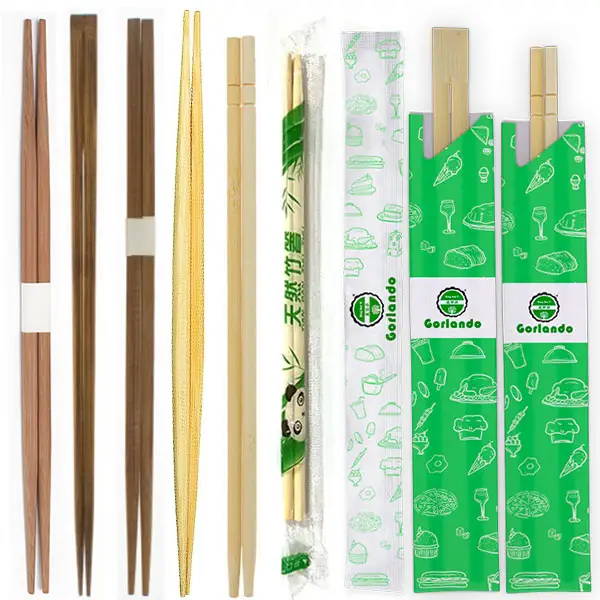
3. Eco-Compliance Risks in 2025? 3 Must-Dos (Avoid “Greenwashing” Traps)
Since the EU PPWR Regulation took effect in February 2025, 12% of cross-border foodservice brands have had goods detained for non-compliant cutlery. Domestically, China’s 14th Five-Year Plastic Pollution Control Plan requires a further 30% reduction in non-degradable takeout cutlery in prefecture-level cities by end-2025. Design isn’t the priority—focus on these 3:
1. Choose the Right Material = Save Half the Trouble (2025 Cost Update)
| Cutlery Component | Recommended Eco-Materials | International Certifications | 2025 Cost Advantages |
|---|---|---|---|
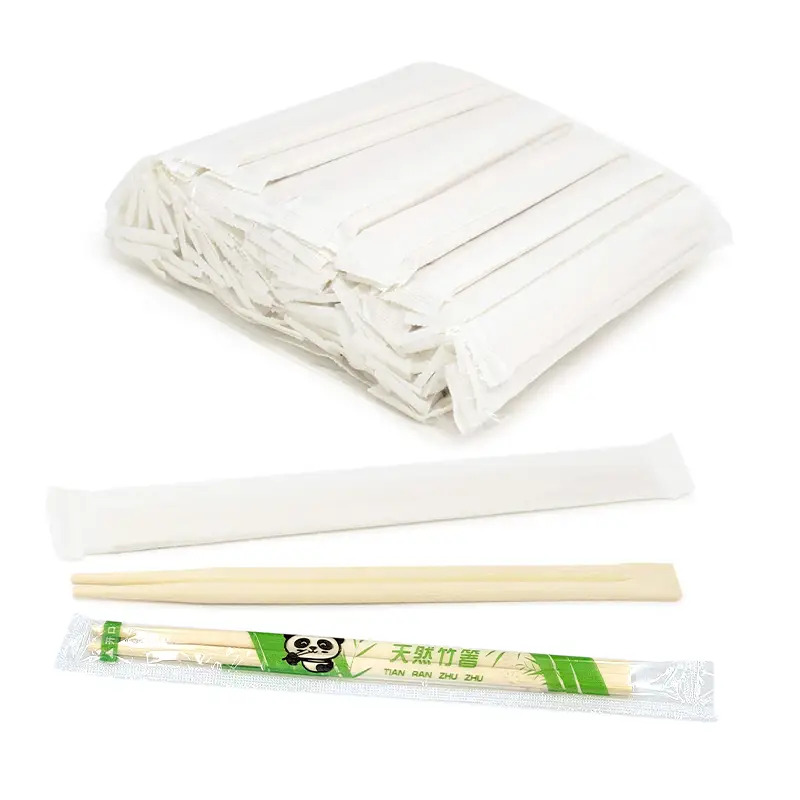
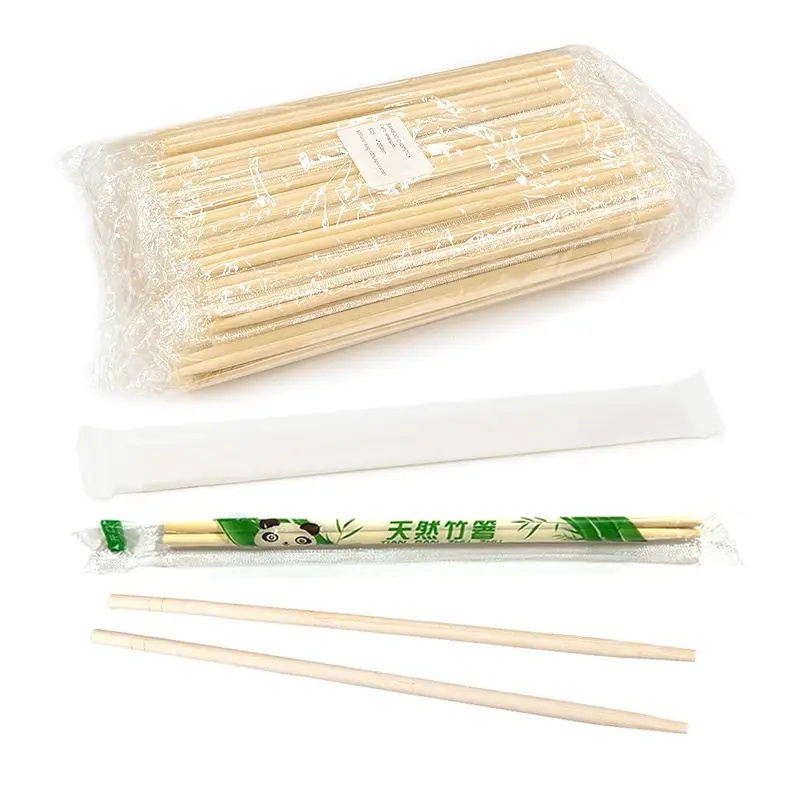
| Chopsticks/spoons | PLA polylactic acid/bamboo fiber | BPI (US)/OKCompost (EU) | 35% cheaper than 2024, 12%-18% premium over regular plastic |
| Packaging shell | Uncoated kraft paper/molded pulp | GB/T 20197-2006 | 42% lighter than PE bags, 15% lower shipping costs |
| Wet wipe packaging | Degradable PBS film | EN 13432 | No extra EU tariffs, 30% faster customs clearance |
2. 3 Common Eco-Mistakes (58 Stores Failed in 2025)
- ❌ Mistake 1: “Logo = Eco-Friendly” – A Shenzhen fast-food chain used regular plastic for custom sets, got “greenwashing” complaints, and saw 27% brand reputation drop
- ❌ Mistake 2: Focus on cutlery, ignore packaging – Eco-bamboo chopsticks paired with non-degradable plastic film, total degradation rate <35%, warned by regulators
- ❌ Mistake 3: Cheap “fake degradable” – A BBQ shop bought “degradable cutlery” that was actually starch-added plastic, taking over 6 years to degrade
4. 4 Top Questions From Restaurant Owners (2025 Answers)
Q1: Can small stores with 50 daily orders afford customization?
A: Yes—try “small-batch + generic supplement.” Suppliers now offer minimum 500-set orders, costing ¥0.9-1.6 per set (≈¥450-800/month). A Shaxian Delicacies store saw 6% higher repeat orders, earning an extra ¥1,200/month—recovering costs in 1 month.
Q2: Will eco-materials increase prices?
A: Not necessarily, but it reduces customer loss. A bubble tea shop test showed 21% of users said “more willing to reorder” after switching to PLA straws, with no price hike—users care about “effort,” not “higher prices.”
Q3: How to label to avoid “greenwashing”?
A: Must include “material + disposal method + test ID,” e.g.: “Bamboo chopsticks (compostable, Test ID GB/T 19277-2021)/Kraft paper packaging (recyclable) – Please sort after use.” Vague “eco-material” labels lead to complaints.
Q4: Can customization boost takeout platform rankings?
A: Indirectly. A spicy hot pot shop’s positive review rate rose from 82% to 94% with custom sets, increasing platform recommendation weight by 18% and organic traffic by 25%.
5. 2025 Custom Cutlery “Investment Formula”
If your store is a “chain/high takeout ratio/high-end restaurant” and can accept “500-set minimum + ¥400-800/month investment,” customization is profitable—it’s not just cutlery, but a “talking brand card.” Unsure? Test 500 sets first, track repeat orders and reviews for 1 month, then decide long-term.
发表回复