
 Русский
 Português
 Español
 Français
 Deutsch
 العربية
 简体中文
简体中文 日本語
日本語 한국어
한국어

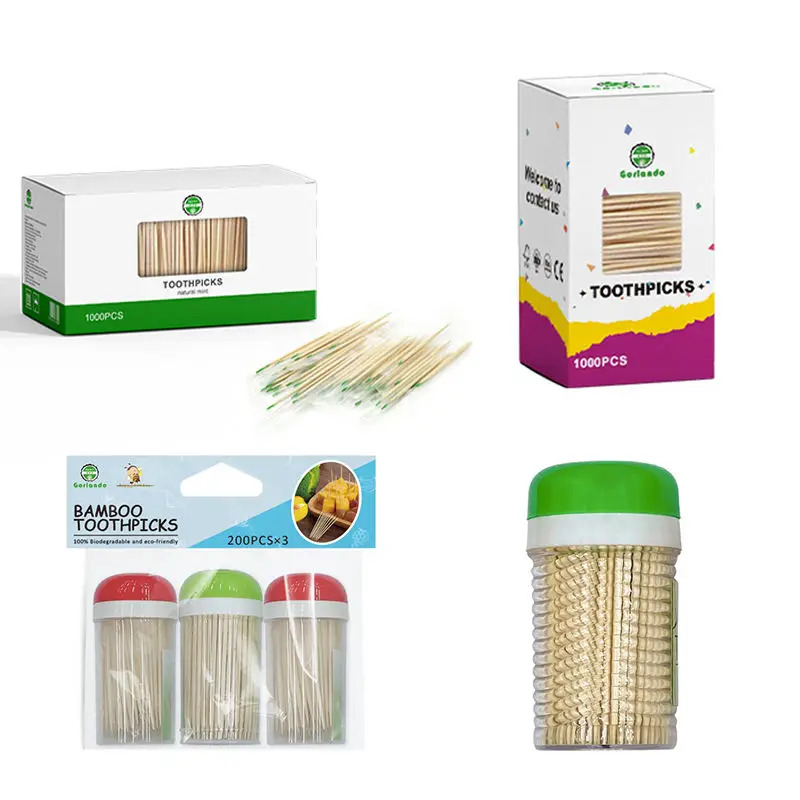
For cross-border buyers and importers of bamboo or wooden toothpicks, a common yet painful issue ruins profit margins: container shipping damage. After 30+ days at sea, shipments often arrive with intact outer packaging, but the toothpicks inside the clear plastic jars have turned dull, frayed, or broken at the tips.
This defect rate often reaches 10% to 15%, leading to immediate store-level rejections, end-consumer complaints, and margin loss.
Why does this happen, and how can sourcing managers enforce rigid packaging controls before signing a Purchase Order (PO)? Here is the practical guide to eliminating toothpick tip blunting during transit.
1. The Root Cause: Ocean Vibration & Micro-Collisions
A common myth among suppliers is that “harder plastic jars” will solve the problem. In reality, jar cracking isn’t the primary issue—tip friction is.
Ocean freight subjects cargo to 20 to 40 days of continuous low-frequency vibrations, ship rolling, and intense vertical load under stacked pallets.
- Headroom Bounce: When jars are loosely filled, the empty space (headroom) gives toothpicks room to bounce vertically.
- Micro-Collision Effect: As the ship sways and trucks vibrate, thousands of toothpick tips slam against each other and the rigid jar lid millions of times.
- Tip Blunting: These micro-impacts crush the delicate wood fibers at the tips, creating dull, frayed, or split ends.
2. Three Packaging Upgrades That Lock Down Loss
To keep toothpick tips sharp, the design goal is simple: eliminate free space inside the container.
1. Push Packing Density Above 95%
- Eliminate internal play: Factories must strictly calibrate their packing count/density. Jars should be filled compactly so toothpicks cannot shift or bounce, while avoiding extreme overtightening that bends the picks.
2. Add a Top Buffer Layer (Cushioning Pad)
- Soft Top Lock: Place a thin, biodegradable EVA foam pad or a high-density paper cushion inside the underside of the jar lid.
- Absorb Dynamic Energy: The pad creates gentle downward tension on the tips. It acts as both a void-filler and a shock absorber that dampens vertical vibration.
3. Reinforce Master Cartons & Palletizing
- 5-Ply AB Flute Cartons: Upgrade from standard single-wall boxes to heavy-duty 5-ply double-wall corrugated cartons for maximum stacking strength.
- Unitized Pallet Wrapping: Secure cartons to pallets using heavy strapping and high-tack stretch film. A rigid, unified pallet structure prevents individual boxes from shifting or tilting inside the shipping container.
3. Shipping Loss Control: ISTA 1A Testing Blueprint
Before issuing final payment to suppliers, require proof that the packaging design withstands real-world ocean transport.
| Test Item | Standard / Method | Simulated Scenario | Pass / Fail Criteria |
| Vibration Test | ASTM D999 / ISTA 1A | Continuous vessel vibration & long-haul truck transport | Tip damage rate below 1% after 60 minutes of continuous vibration. |
| Drop Test | ISTA 1A (1.2m multi-angle free fall) | Rough dock loading/unloading & warehouse accidents | No jar cracking; zero interior tip flattening or breakage. |
| Stacking Compression | Static Load Test (24 Hours) | Multi-pallet stacking inside a 40ft high-cube container | Zero carton collapse; no bent toothpicks inside bottom-tier jars. |
4. Purchasing Manager FAQ & Action Plan
Q: What is the fastest, most cost-effective way to fix high defect rates in canned bulk toothpicks?
A: The quickest fix is inserting a thin foam/paper buffer pad inside the jar lid and mandating a minimum 95% volumetric fill density. This modification costs fractions of a cent per unit but instantly eliminates the headroom space that allows tips to collide.
Q: How should importers specify packaging standards in factory supply contracts?
A: Include these exact clauses in your Purchase Order (PO) specs:
- Testing Requirement: “All retail and master packaging must pass ISTA 1A transportation simulation testing certified by a accredited 3rd-party lab prior to mass production.”
- Defect Threshold: “Upon destination inspection, the tip blunting/fraying defect rate caused by transport friction must not exceed 1.0%. The supplier accepts full financial liability for replacement or credit for defective units exceeding this limit.”
发表回复