
 Русский
 Português
 Español
 Français
 Deutsch
 العربية
 简体中文
简体中文 日本語
日本語 한국어
한국어
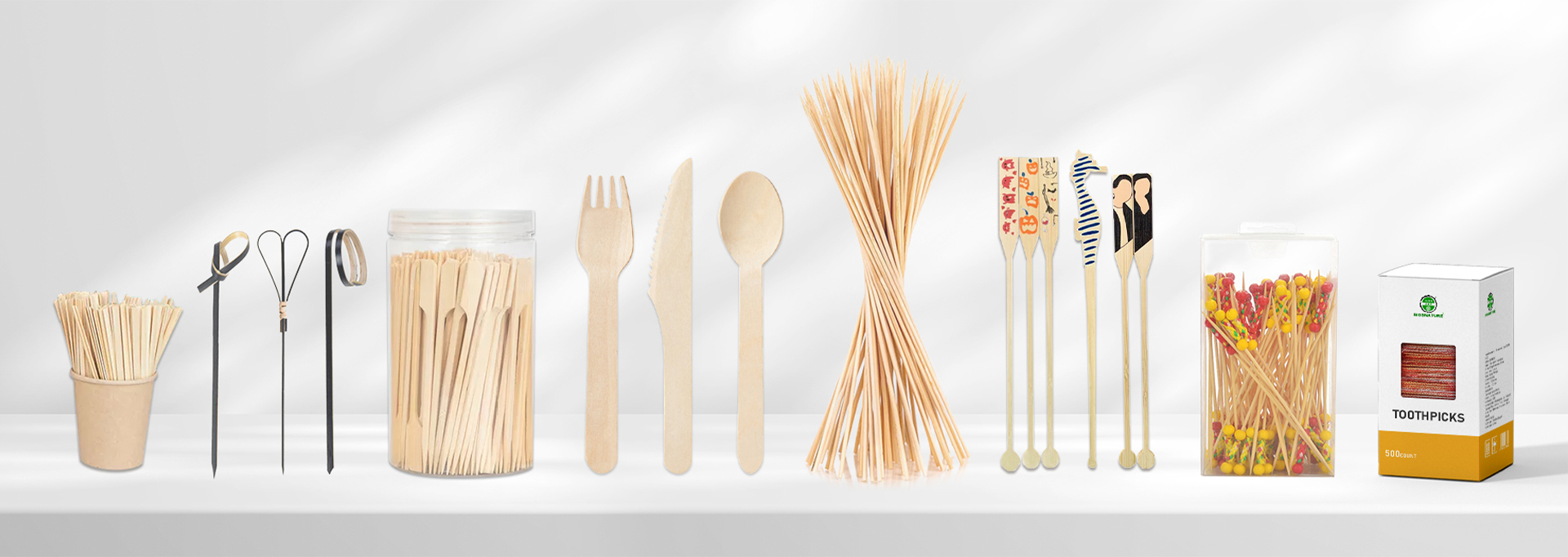
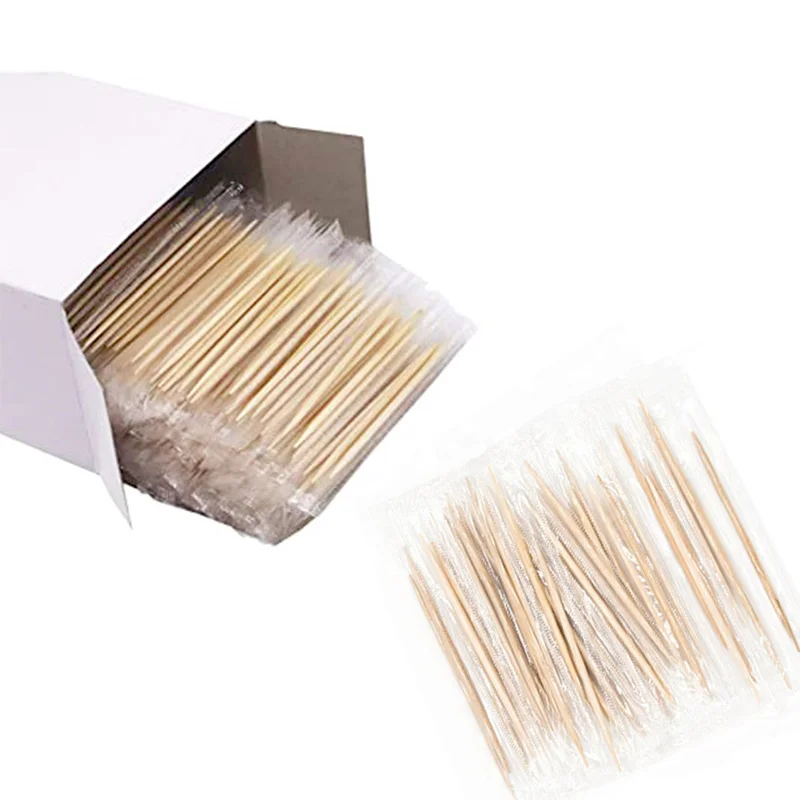
Have you ever witnessed this cringe-worthy moment at a high-end buffet, corporate cocktail party, or wedding banquet?
A guest gracefully reaches for a piece of thick-cut melon, crispy fried chicken, or a juicy meatball using a wooden toothpick. Snap. The pick snaps clean off at the base. Best-case scenario: food falls onto the floor. Worst-case scenario: splintered wood penetrates the food or injures the guest’s mouth—instantly triggering a severe food safety complaint or liability risk.
Many purchasing managers view toothpicks as mere inexpensive disposables. However, in the commercial catering industry, the cost of a ruined customer experience caused by the wrong spec far outweighs the price of the pick itself.
1. The Hidden Cost of the “Snap”: Why Standard 2.0mm Toothpicks Fail
The standard 2.0mm toothpick found everywhere was originally designed for basic post-meal dental care or picking up soft, light bites like soft cake or peeled grapes. Its load-bearing limit is surprisingly low.
When guests use a 2.0mm pick on high-density, fibrous, or tough-skinned foods (like melon chunks, chilled pineapple, or crispy fried chicken), two major hazards occur:
- Bending Stress Breakage: When inserted into dense food, slight lateral pressure instantly exceeds the structural limit of a 2.0mm bamboo core, causing an abrupt snapping failure.
- Fiber Splintering (Debris Hazard): Low-grade or overly thin bamboo picks tend to peel and splinter under stress, flaking tiny wooden fibers directly into the food.
2. Specs & Bending Strength Comparison
To understand the load-bearing capacity differences, we tested three mainstream bamboo picks used in commercial catering:
| Specification | 2.0mm Standard Toothpick | 2.5mm Heavy-Duty Pick | 3.0mm+ Skewer / Cocktail Pick |
| Primary Material | Standard Bamboo / Softwood | High-Density Matured Bamboo (5+ Years) | High-Density Matured Bamboo |
| Max Bending Load | ~300g – 450g | ~800g – 1200g | 1500g+ |
| Toughness & Splinter Resistance | Prone to fiber peeling & snapping | High-pressure polished, clean break, zero splinters | High toughness, extremely hard to break |
| Suitable Food Density | Low density (Soft cake, small strawberries) | Medium-High density (Melon, fried chicken, meatballs) | Extremely high density/weight (BBQ meats, whole fruit) |
Procurement Insight: Upgrading from 2.0mm to 2.5mm increases the diameter by only 0.5mm, but it nearly doubles the cross-sectional load area, delivering a dramatic leap in bending strength.
3. B2B Buyer’s Selection Guide: Matching Pick Size to Food Density
Never use a single size for all catering needs. Matching pick specifications to the physical properties of your food balances cost control with event quality:
Light Duty (Recommended Spec: 2.0mm)
- Best For: Diced cakes, mousses, peeled cherry tomatoes, cream puffs.
- Buyer Note: Best reserved for soft, resistance-free pastries and delicate desserts.
Medium-Heavy Duty (Recommended Spec: 2.5mm — The Commercial Sweet Spot)
- Best For: Melon chunks, pineapple wedges, boneless/bone-in fried chicken, thick-cut salmon, cooked meatballs.
- Buyer Note: The go-to choice for banquets, catering, and buffets. It maintains an elegant appearance while providing strong structural resistance against bending or breaking.
Heavy Duty (Recommended Spec: 3.0mm+)
- Best For: Meat skewers, heavy BBQ cuts, whole apples, large iced seafood platters.
- Buyer Note: Ideal for heavy-duty grilling, thick meats, and securing large iced food displays.
4. Frequently Asked Questions (FAQ)
Q1: Why do standard 2.0mm toothpicks break so easily in melon or fruit platters?
A: Fruits like melon and pineapple are dense and packed with tough plant fibers. The small cross-sectional area of a 2.0mm pick cannot handle the lateral shear stress during insertion. Upgrading to a 2.5mm pick significantly increases the load-bearing surface area, doubling its bending resistance to handle dense foods smoothly.
Q2: How can buyers quickly test toothpicks for splinter risks before placing a bulk order?
A: Perform a quick “90-Degree Manual Bend Test.” Hold both ends of the pick and bend it to 90 degrees. If it snaps with a clean edge and no loose fibers, the bamboo is high-density and well-polished. If it splinters into long fibrous threads with flying burrs, the bamboo is too young or poorly processed, posing a major risk of contaminating food.
Q3: Does switching to 2.5mm heavy-duty picks significantly increase purchasing costs?
A: No. While the raw material cost per piece is slightly higher than 2.0mm picks, the actual consumption rate drops because 2.5mm picks rarely break during prep or service. More importantly, eliminating customer complaints and food safety risks makes 2.5mm picks far more cost-effective overall.
发表回复