
 Русский
 Português
 Español
 Français
 Deutsch
 العربية
 简体中文
简体中文 日本語
日本語 한국어
한국어
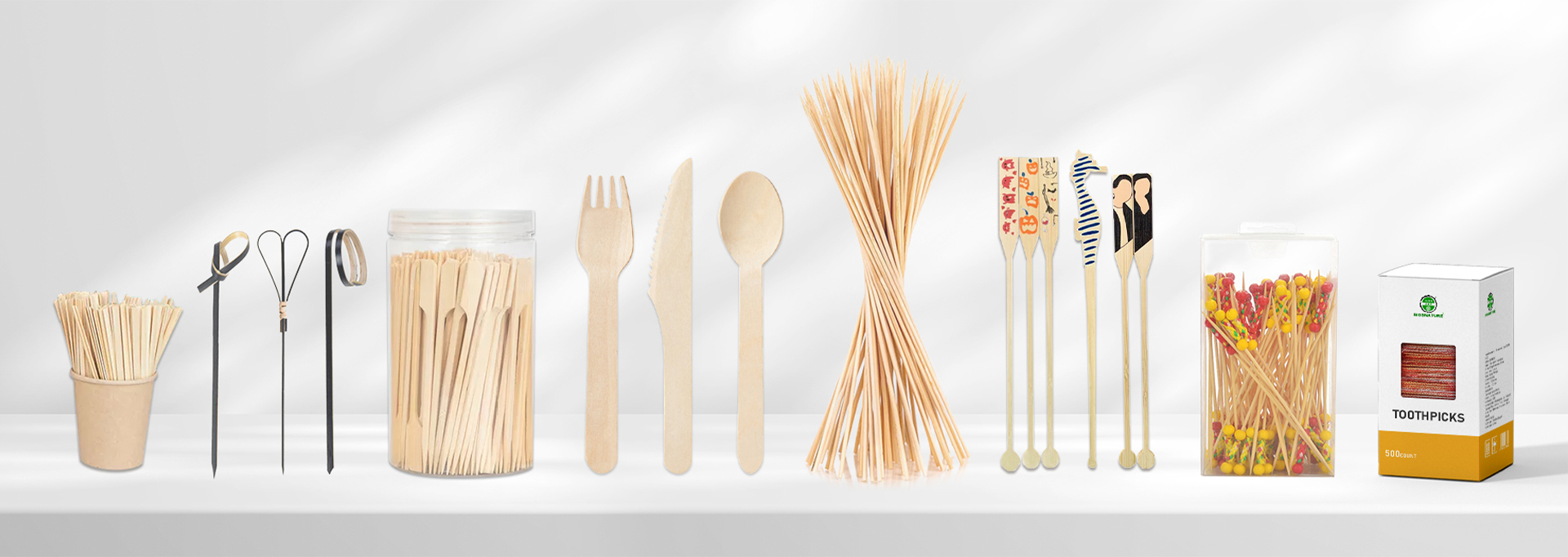
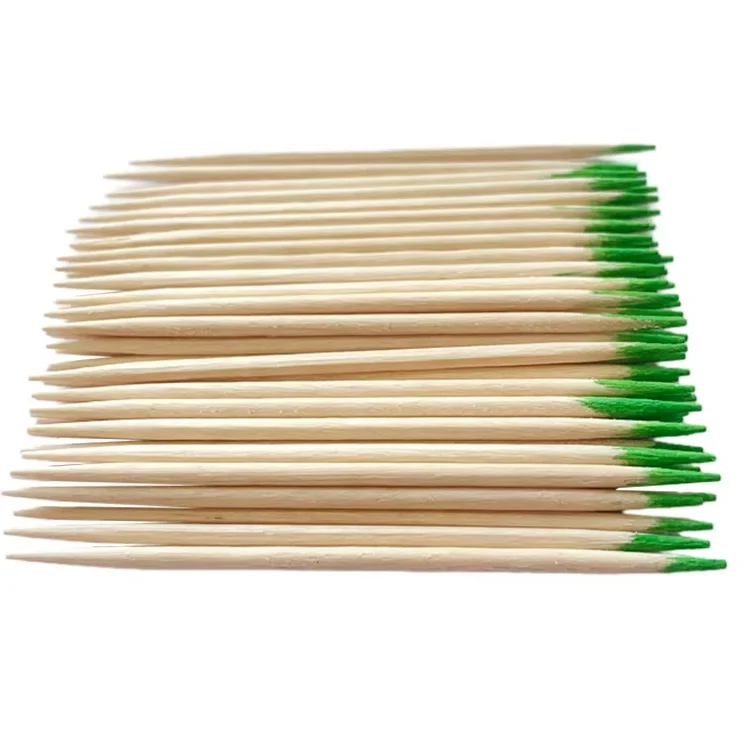
Common Flavor Degradation Issues of Flavored Toothpicks in Catering & Hospitality
In high-end hotels, specialty restaurants and leisure venues that focus on service experience, mint flavored toothpicks have become a thoughtful detail to improve the dining experience. The fresh herbal scent relieves oral discomfort after meals and upgrades the overall service quality. Many operators who purchase goods in large quantities for long-term stock have noticed a widespread problem. The aroma of stored flavored toothpicks fades gradually before opening. Once the package is unsealed, the unique flavor disappears within days, leaving ordinary bamboo and wood toothpicks. With years of experience serving physical merchants, Gorlando finds that flavor degradation is a typical issue for flavored bamboo and wood tableware, and it becomes more prominent when products are stored for a long time.
Root Causes Analysis: Two Major Factors Leading to Fast Flavor Loss
Inherent Physical Properties of Bamboo & Wood Materials
Bamboo and wood used for making toothpicks are covered with tiny micro-pores, forming a loose mesh structure. Menthol and other plant essential oils attached on the surface are highly active, which accelerates essential oil volatilization. Besides, bamboo and wood are hygroscopic. Moisture in the air penetrates through pores and destabilizes flavor molecules. Does the natural material inevitably fail to retain aroma? In fact, packaging protection plays a far more decisive role.
Performance Defects of Traditional Packaging
Most conventional products still adopt single-layer paper sleeves or regular OPP plastic films. These materials have high air permeability and poor basic barrier film packaging performance. The oxygen transmission rate and water vapor transmission rate are two key indicators to evaluate packaging protection. Traditional single-layer packaging has high values on both indicators, which cannot block the escape of flavor molecules. Temperature and humidity fluctuations in storage will further speed up essential oil volatilization, especially in hot summer or humid seasons.
Multi-Layer Barrier Solutions: Effective Ways for Flavored Toothpicks Shelf-Life Extension
Based on different usage scenarios including single serving, boxed products and bulk stock, Gorlando develops layered protection systems with aluminum foil lining and EVOH barrier layer to realize shelf-life extension. We classify the solutions by packaging specifications:
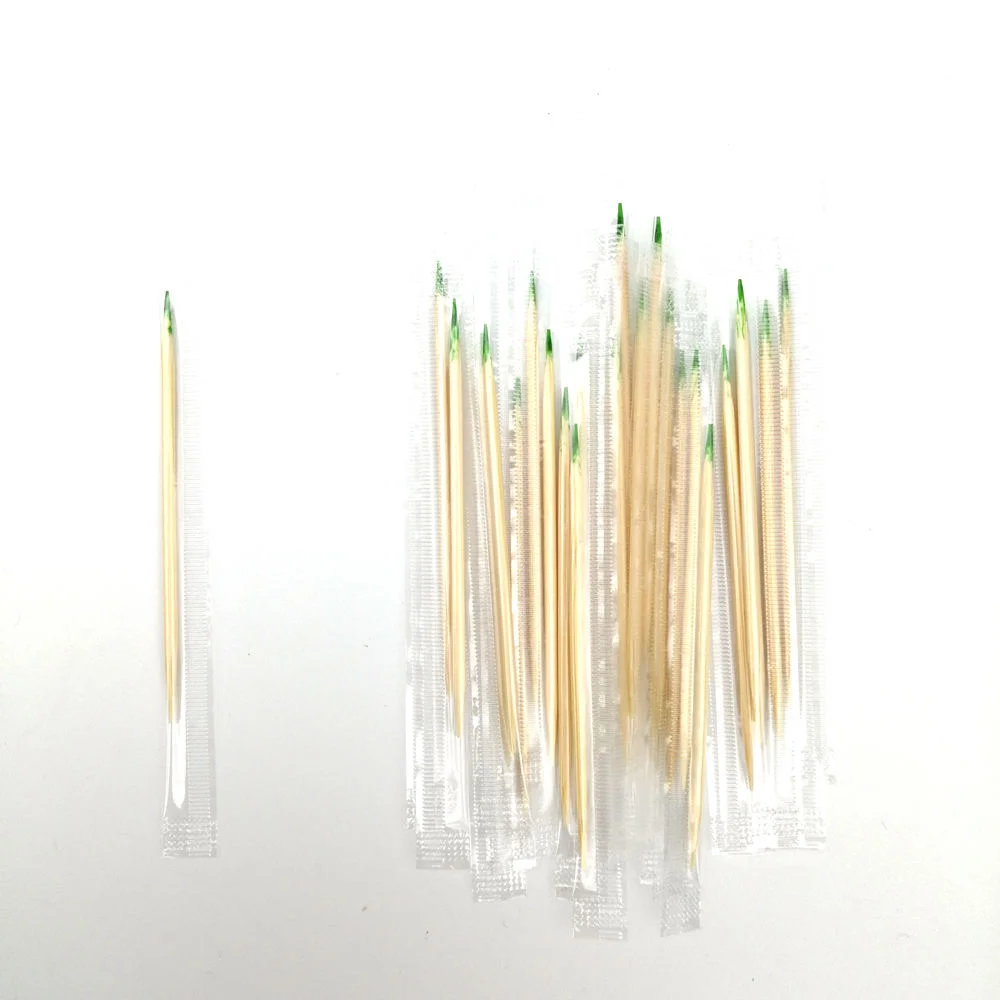
- Single individual pack: Three-layer multi-layer composite packaging with paper, aluminum foil and polyethylene. The aluminum foil layer creates a molecular barrier to lock aroma inside.
- Small & medium boxed pack: Inner bags with independent EVOH barrier layer are equipped to isolate air and moisture, ideal for daily use in guest rooms and dining counters.
- Bulk carton pack: Nitrogen flushing technology is applied on the basis of composite packaging to remove air inside cartons and reduce flavor loss.
Performance Comparison of Different Packaging Solutions
We conducted long-term tracking tests under normal temperature storage and high temperature & high humidity storage. The detailed test results are shown below:
| Packaging Type | Flavor Retention Rate (6 months, normal temperature) | Flavor Retention Rate (3 months, high temp & humidity) | Aroma Duration after Opening |
|---|---|---|---|
| Single-layer paper pack | Below 18% | Almost complete flavor loss | 2-3 days |
| Regular OPP plastic pack | Around 25% | Below 10% | 3-4 days |
| Three-layer aluminum foil composite pack | Over 96% | About 89% | More than 18 days |
| Boxed pack with EVOH barrier layer | Over 94% | About 86% | More than 16 days |
| Aluminum foil composite pack + Nitrogen flushing | Over 97% | About 91% | More than 22 days |
Packaging Inspection Checklist for Purchasing Flavored Toothpicks
Exterior design and printing are only secondary references. The actual protection performance of packaging is the core standard. Based on our long-term service experience, we sort out practical inspection tips for buyers:
- Request official test reports of oxygen transmission rate and water vapor transmission rate. Prioritize high-barrier materials with lower indicator values.
- Touch the packaging surface manually. Qualified multi-layer composite packaging feels firm, without soft texture or excessive light transmission.
- Select packaging according to stock cycle. Choose basic composite packs for short-term turnover, and products with aluminum foil lining for large-batch long-term storage.
- Check sealing workmanship. Tight sealed edges prevent continuous air penetration and avoid flavor degradation.
Packaging Selection Guide for Different Business Scenarios
Different venues have unique usage rhythms and placement environments, so packaging solutions can be adjusted flexibly. Hotels with scattered use in guest rooms prefer individually packed mint flavored toothpicks for neat arrangement. Buffets and open dining areas with large foot traffic suit boxed products with EVOH barrier layer for high cost performance. For large banquets and chain stores with bulk procurement demand, nitrogen-flushed composite carton packs perfectly support long-term storage.
Frequently Asked Questions (FAQ)
Q: Why do sealed flavored toothpicks suffer from flavor degradation after long-term warehouse storage?
A: Micro-pores on bamboo and wood continuously release flavor molecules, and ordinary packaging cannot block molecular penetration. Combined with temperature and humidity changes in storage that stimulate essential oil volatilization, the internal aroma fades gradually over time.
Q: How to slow down flavor loss of mint flavored toothpicks stored in high-temperature environments?
A: Choose multi-layer composite packaging with aluminum foil lining first. Meanwhile, place goods in cool and ventilated areas, away from direct sunlight and heat sources. The combination of high-barrier materials and proper storage environment can effectively delay flavor attenuation.
Q: Is there a big difference in aroma retention between small packs and bulk carton packs of flavored toothpicks?
A: High-quality barrier packaging products have similar core protection performance. The main difference appears after opening. Once bulk cartons are unsealed, large areas contact with air and accelerate essential oil volatilization. We suggest repackaging goods in batches after opening cartons.
Q: Between EVOH barrier layer and aluminum foil, which one is more suitable for regular catering stores?
A: Both materials deliver excellent barrier performance. Aluminum foil composite packs have stronger sealing ability for long-term storage. Packaging with EVOH barrier layer features better flexibility and easier opening, which fits dining counters with frequent daily access.
发表回复