
 Русский
 Português
 Español
 Français
 Deutsch
 العربية
 简体中文
简体中文 日本語
日本語 한국어
한국어
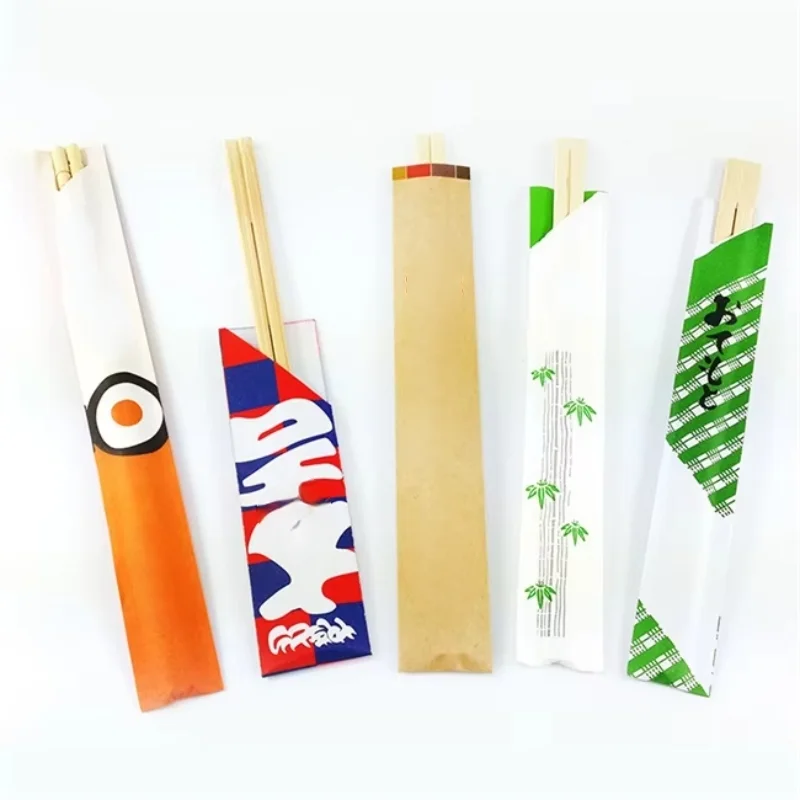
Scrolling through recent procurement discussion groups in the catering industry, I noticed many people complaining about headaches with bulk chopsticks purchases—one Chinese restaurant received a whole batch of disposable chopsticks mixed with quite a few defective ones of inconsistent lengths, while a Southeast Asian eatery reported that their newly ordered chopsticks bent as soon as they touched hot soup, leading to constant customer complaints. These issues are far from uncommon. When buying tableware in bulk, many restaurants are lured by labels like “low price” or “in-stock,” only to step into unseen pitfalls. Today, let’s break down the three most common mistakes—you might just save yourself some trouble.
First, let’s tackle the material issue. Many restaurants fixate on “low prices” when purchasing, thinking any bulk chopsticks that can pick up food will do. But have you ever considered the hidden safety risks? In 2025, Europe and the U.S. updated their disposable tableware safety standards, requiring all mouth-contact utensils to pass double tests for heavy metals and microorganisms. However, some small suppliers cut corners by using untreated recycled wood or bamboo with excessive pesticide residues to lower costs. Having worked with many such procurement cases, Gorlando conducts sampling tests on raw materials for every batch of chopsticks it produces. After all, tableware used in restaurants should always prioritize safety—wouldn’t you agree? Different materials of bulk chopsticks fit different scenarios; blind selection only leads to waste:
| Chopstick Material | Core Advantages | Potential Considerations | Suitable Restaurant Types |
|---|---|---|---|
| Natural Bamboo | High toughness, heat-resistant, moderate cost | Needs moisture-proof storage | Japanese izakayas, Chinese restaurants, Southeast Asian cuisine spots |
| Solid Wood | Premium texture, good customer experience | Higher unit price, sensitive to temperature changes | High-end Japanese restaurants, boutique eateries |
| PLA Biodegradable | Strong eco-friendly properties, compliant with EU/US new regulations | Not heat-resistant (prone to deformation over 60℃) | Green-focused casual dining, cafes |
Inventory planning is another easily overlooked area. Last year, a Japanese izakaya ordered six months’ worth of bulk chopsticks just to qualify for a supplier’s discount. But when the rainy season hit, the chopsticks in the warehouse absorbed moisture and warped—they ended up as waste, costing nearly a thousand dollars. That’s no small loss. On the flip side, some restaurants fear overstocking and order only small quantities. Yet during holiday peaks, they face the dilemma of “not enough chopsticks.” Emergency restocks mean higher shipping fees, and you might even face delays if the supplier is out of stock. Actually, Gorlando offers flexible batch shipping for overseas restaurant clients—for example, monthly deliveries based on actual usage. This avoids overstocking while keeping chopsticks fresh, making it much more convenient for restaurants with fluctuating customer flow.
Then there’s the hidden issue: after-sales response speed. Have you ever had this experience? You receive a batch of bulk chopsticks only to find inconsistent lengths, but the supplier takes 3 days to reply? Restaurant operations rely on efficiency—if tableware problems go unaddressed, it hurts table turnover. Gorlando has dedicated after-sales teams in its warehouses across Europe, the U.S., and Southeast Asia. They provide solutions within 24 hours of receiving feedback, whether it’s reissuing goods or adjusting orders—no restaurant gets stuck at a critical moment. Speaking of which, a Chinese restaurant in Italy once ordered 10,000 pairs of bamboo chopsticks and found damaged packaging upon delivery. We dispatched replacement stock from a nearby warehouse the same day, and it arrived early the next morning—they didn’t miss a single meal service.
Frequently Asked Questions
Q: When buying chopsticks in bulk, besides checking test reports, are there simple ways to judge if the material meets standards?
A: Take a few chopsticks and feel them carefully. High-quality bamboo chopsticks have clear grain, no burrs, and only a faint bamboo scent. If you feel obvious knots or smell odd odors, the raw materials are likely poorly processed. You can also soak them in hot water for a few minutes—if the water turns cloudy or the chopsticks fade, the material is problematic, and you shouldn’t serve guests with these.
Q: Small restaurants don’t use much—will buying bulk chopsticks be uneconomical?
A: Small restaurants don’t need to chase large order quantities. Gorlando’s minimum order quantity for bulk chopsticks is as low as 5,000 pairs, and long-term clients also get quarterly rebates—often cheaper than buying in small, scattered batches. Additionally, we help estimate monthly usage based on a restaurant’s average daily customer flow, avoiding the trouble of overordering or underordering. After all, no one’s money grows on trees.
Q: Many customers now care about sustainability. How can restaurants balance eco-friendliness and cost when choosing bulk chopsticks?
A: You don’t have to choose the most expensive biodegradable material. Natural bamboo chopsticks are a great alternative—bamboo has a short growth cycle, and Gorlando’s bamboo sourcing is sustainably certified, so it doesn’t harm the ecosystem. We also offer a chopstick recycling program: used chopsticks from restaurants can be collected and processed uniformly. This is eco-friendly, reduces waste disposal costs, and might even become a small highlight for your restaurant.
发表回复