
 Русский
 Português
 Español
 Français
 Deutsch
 العربية
 简体中文
简体中文 日本語
日本語 한국어
한국어
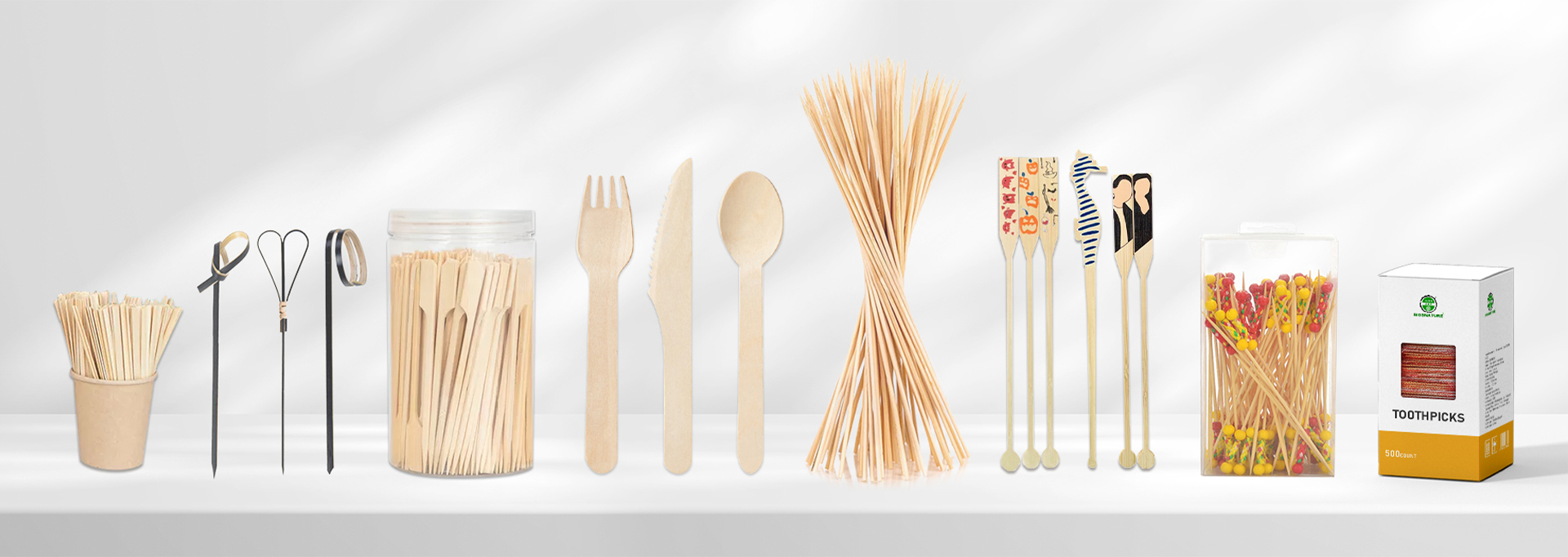
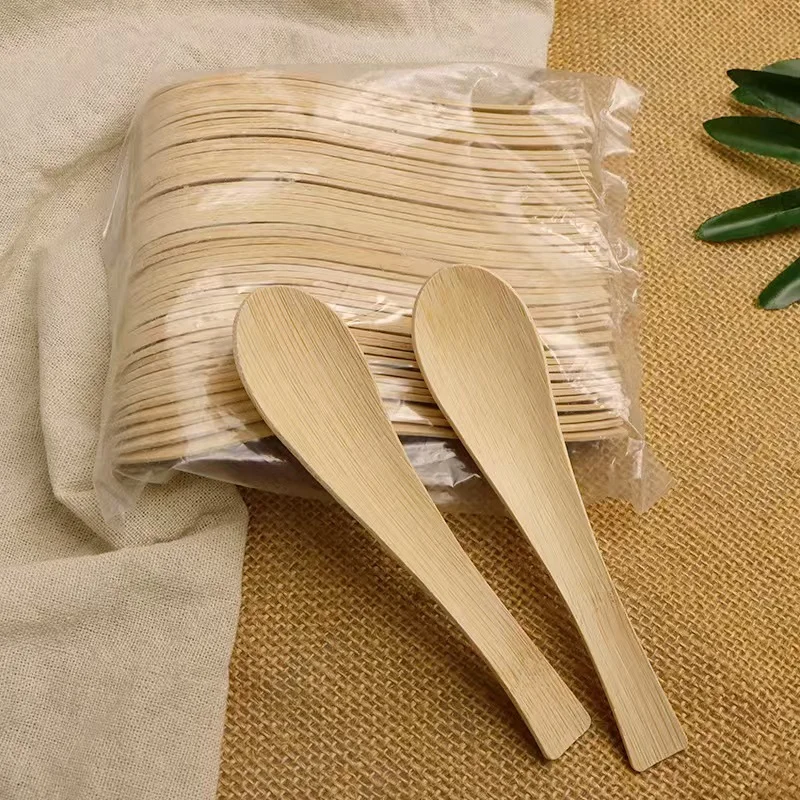
Dessert shop owners often face broken or bent spoons while scooping hard ice cream. Hard ice cream stays firm and dense at -18°C. It creates strong resistance that breaks regular disposable tableware easily. Bamboo spoons and birch wooden spoons dominate commercial dessert use cases. They serve as the top -18°C hard ice cream spoons for cold storage scenarios. These two materials deliver different low-temperature performance and durability. Smart tableware choices cut waste and improve customer experience greatly. Gorlando holds 15 years of disposable eco-friendly tableware production experience. We share real test data to help business owners pick suitable utensils.
Most people think thick utensils resist cold better. This idea does not fit real commercial use. Internal fiber structure decides the disposable wooden tableware bending resistance, not thickness. Pressure concentrates on the spoon’s handle joint during ice cream scooping. Plastic spoons lose all toughness in low temperatures. Natural bamboo and wood fibers maintain stable structure under cold pressure.
Bamboo Spoon vs Birch Wooden Spoon Performance Chart
| Comparison Item | Birch Wooden Spoon | Bamboo Spoon |
|---|---|---|
| Low-Temp Bending Performance | Brittle at low temperatures, cracks under side pressure | Stable fiber toughness, resists bending and breaking |
| Cold Deformation Resistance | Absorbs moisture and forms internal cracks after freezing | Dense texture with low water absorption, stable at -18°C |
| Eating Experience | Smooth texture with zero strange odor | Burr-free after polishing with natural faint bamboo scent |
| Best Use Cases | Soft ice cream, ice pops, room-temperature desserts | Bulk hard ice cream, Italian gelato, heavy-duty scooping |
Fiber layout creates the core performance gap between the two materials. Birch wood has disordered fibers. Frozen moisture expands its internal gaps and triggers cracks under slight force. Bamboo features straight, continuous vascular bundles. This unique structure delivers strong low-temperature hardness resistance for commercial use. Thin bamboo spoons still hold firm while prying dense hard ice cream.
Gorlando optimizes production for low-temperature commercial scenarios. We control raw material moisture strictly to avoid cold cracking and deformation. We provide custom sizes and packaged designs to match different dessert shop needs.
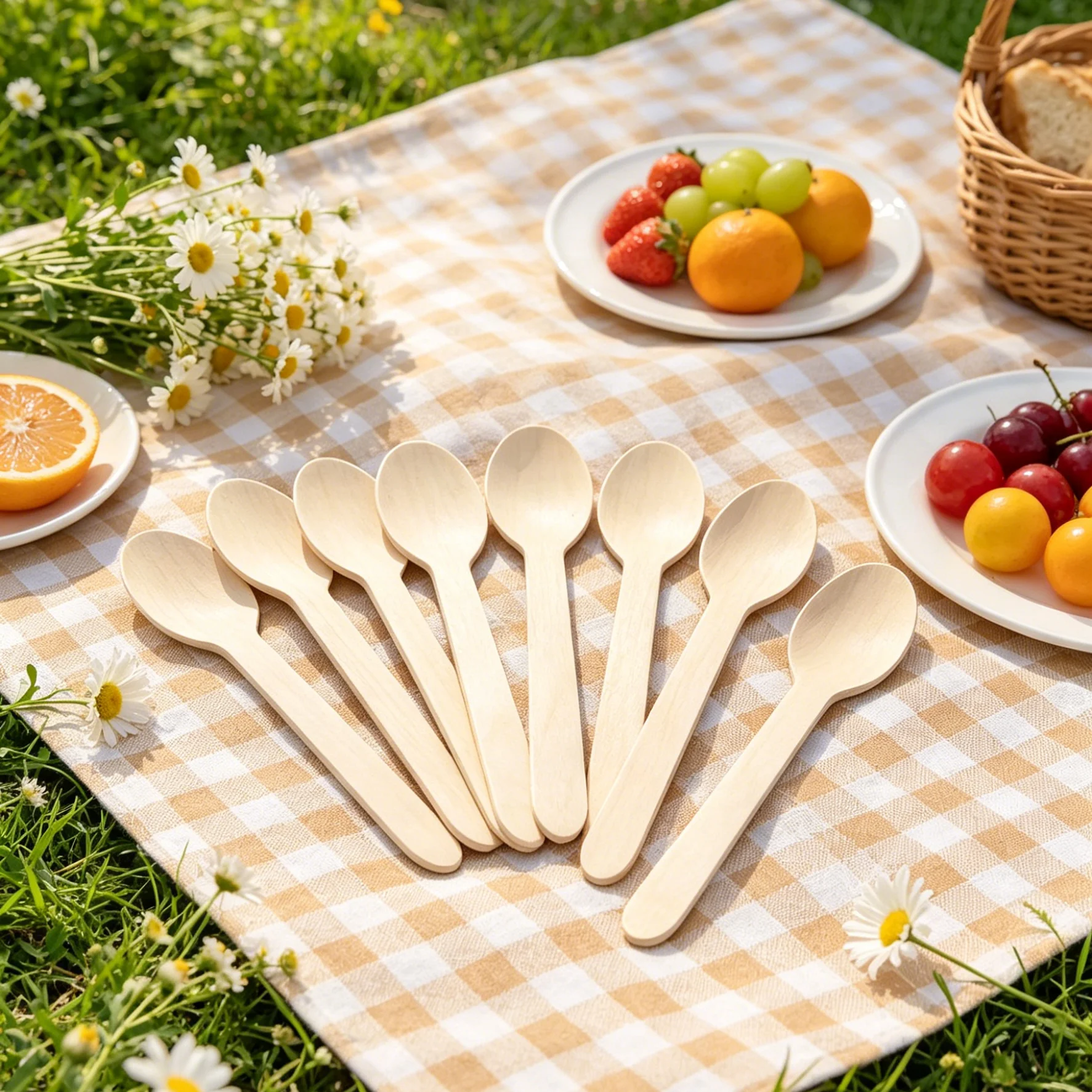
Birch wooden spoons carry unique advantages. Their pure, mild taste never covers dessert flavors. They work perfectly for shops that sell soft ice cream and warm sweet treats with low operational costs.
Frequently Asked Questions
Q1: Why do plastic spoons break easily in cold temperatures while bamboo and wooden spoons stay strong?
Cold temperatures lock plastic molecular chains and eliminate flexibility. Natural cellulose structures in bamboo and wood disperse external pressure and keep utensils intact.
Q2: Do all hard ice cream scenarios require bamboo spoons?
Bamboo spoons fit high-frequency, large-volume hard ice cream scooping best. Premium birch spoons work well for small-batch and low-frequency cold dessert service.
Q3: Can businesses order custom-sized bamboo and wooden spoons in mixed batches?
Gorlando accepts mixed custom orders of bamboo and wooden tableware. Our independent production base adjusts specifications and packaging flexibly to meet diverse commercial procurement needs.
Reasonable tableware selection reduces store loss and upgrades customer experience. Choose durable bamboo spoons for heavy cold scooping tasks. Choose odor-free birch wooden spoons for soft and room-temperature desserts.
发表回复