
 Русский
 Português
 Español
 Français
 Deutsch
 العربية
 简体中文
简体中文 日本語
日本語 한국어
한국어
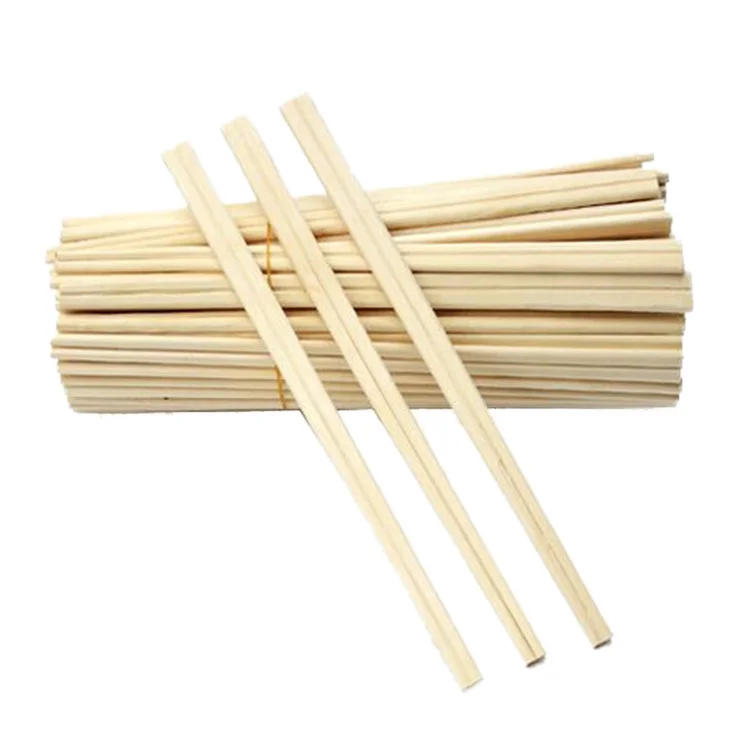
Ever unboxed a bulk shipment of disposable chopsticks only to find mold spots, splintered ends, or a harsh chemical smell? For buyers focused solely on price, this nightmare is all too common—yet many still wonder why seemingly identical products have such stark price differences. The answer lies in disposable chopsticks grades and the unspoken standards of materials, processing, and quality control. In 2026, as consumers grow more mindful of food safety and sustainability, choosing the right grade isn’t just about avoiding complaints—it’s about building trust. Let’s dive into the essentials, with insider tips from Gorlando, an 18-year veteran in crafting high-quality disposable bamboo chopsticks.
Material Basics: Why Bamboo Dominates Wholesale Markets
When it comes to bamboo chopsticks wholesale, the material itself is a game-changer. Bamboo matures in 3-5 years (vs. 20+ for hardwoods), making it a renewable choice that aligns with global eco-trends. It’s naturally anti-bacterial, elastic, and less prone to breaking than wood—key factors for repeat buyers. While wood chopsticks (like poplar or birch) still exist, they often require more chemical treatment and have higher shipping costs due to weight. At Gorlando, we source 100% natural moso bamboo from certified plantations, ensuring our commercial disposable chopsticks start with a pure, durable base.
Decoding Disposable Chopsticks Grades: 2026 Updated Standards
Not all grades are created equal—here’s a clear breakdown of industry benchmarks, verified by Gorlando’s 2025 quality audits:
| Grade | Core Features | Moisture Content | Ideal Use Cases |
|---|---|---|---|
| A (Premium/Export Grade) | Uniform pale white/light yellow hue, no knots/burrs, sulfur-free, hand-finished | <7% | High-end sushi bars, luxury hotels, export to EU/Japan, reusable daily use |
| AB (Standard Commercial Grade) | Minor color variation, invisible imperfections, no functional flaws, FDA-compliant | <9% | Fast food chains, takeout services, cafes, bulk restaurant supplies |
| B (Economy Grade) | Uneven color, visible bamboo knots, basic structural integrity | <11% | Budget-focused buyers, non-food uses (crafts, promotions) |
Grade A export-grade disposable chopsticks are the gold standard—we use only the bamboo core (the densest, strongest part) and pass each pair through 3 rounds of inspection. Our Tensoge chopsticks (a premium A-grade style) feature precision-cut tips and smooth surfaces, designed for upscale dining. AB grade, though, is our bestseller—according to Gorlando’s 2025 customer data, 72% of repeat buyers choose it for balancing quality and cost. B grade? It’s functional, but we always warn buyers: using it for direct food contact can damage brand reputation.
Common Styles: Twin Chopsticks vs Tensoge & Beyond
Style and grade go hand in hand—here’s how to match them to your needs:
- Twin (Sousei) Chopsticks: The most popular style, with two sticks connected at the top. Made for convenience, they’re typically AB or B grade and perfect for takeaways.
- Tensoge Chopsticks: With elegant diagonal-cut tips, they’re almost always Grade A (the craftsmanship demands premium material). Gorlando’s Tensoge line is a hit among fine dining spots—its sleek design elevates the dining experience.
- Genroku Chopsticks: Grooved surfaces for better grip, usually AB grade, ideal for casual restaurants.
- Round Chopsticks: Cylindrical and smooth, available in all grades, great for universal use.
Curious how Twin chopsticks vs Tensoge stack up for your business? Twin is cost-effective for high-volume orders, while Tensoge adds a premium touch that justifies higher menu prices.
Quality Control: 3 Non-Negotiable Checks for Bulk Orders
Even with clear grades, verifying quality is key—here’s what to look for:
- Moisture Content: Anything above 10% risks mold during shipping. Gorlando uses industrial dehydrators to hit <7% for Grade A, a standard we’ve refined over 18 years.
- Chemical Residues: Sniff test! Sulfur-fumigated chopsticks have a pungent odor. Our products are 100% sulfur-free and meet LFGB/FDA 2026 standards.
- Structural Integrity: Bend a sample—if it snaps easily, it’s low-grade. Our bamboo chopsticks flex without breaking, thanks to strict material selection.
FAQs from Real Wholesale Buyers (Answered by Gorlando Experts)
Q: Is bamboo chopsticks wholesale more cost-effective than wood in the long run?
A: Absolutely. Bamboo’s faster growth lowers raw material costs, and its durability reduces waste from breakage. We’ve seen clients cut 15-20% off their annual tableware budgets by switching to bamboo.
Q: How can I avoid getting Grade B chopsticks when I ordered AB?
A: Ask for a sample set with grade labels—reputable suppliers like us won’t hesitate. We also provide batch test reports to prove quality matches your order.
Q: Can I customize disposable chopsticks with my logo across all grades?
A: Yes! We offer laser engraving and custom packaging for Grade A/AB (B grade is limited to simple branding). Our design team can turn around mockups in 48 hours—no extra charge.
Why Choose Gorlando as Your Bulk Chopsticks Supplier
In 2026, it’s not just about products—it’s about partnership. Here’s what sets us apart:
- Precision Sorting: Our AI-powered sorting machines (upgraded in 2025) plus manual inspections keep defect rates below 0.08%.
- Tailored Recommendations: We don’t push Grade A if AB fits your budget—our goal is to help you keep customers happy, not overspend.
- Global Support: With 32 sales centers worldwide, we offer 24/7 support and flexible lead times (7 days for stock orders, 21 for custom).
Unsure which grade or style is right for your business? Let’s help. Request free samples of Grade A, AB, and our best-selling Tensoge/Twin styles—see the difference firsthand. Gorlando doesn’t just sell disposable chopsticks; we help you make choices that grow your bottom line.
发表回复