
 Русский
 Português
 Español
 Français
 Deutsch
 العربية
 简体中文
简体中文 日本語
日本語 한국어
한국어
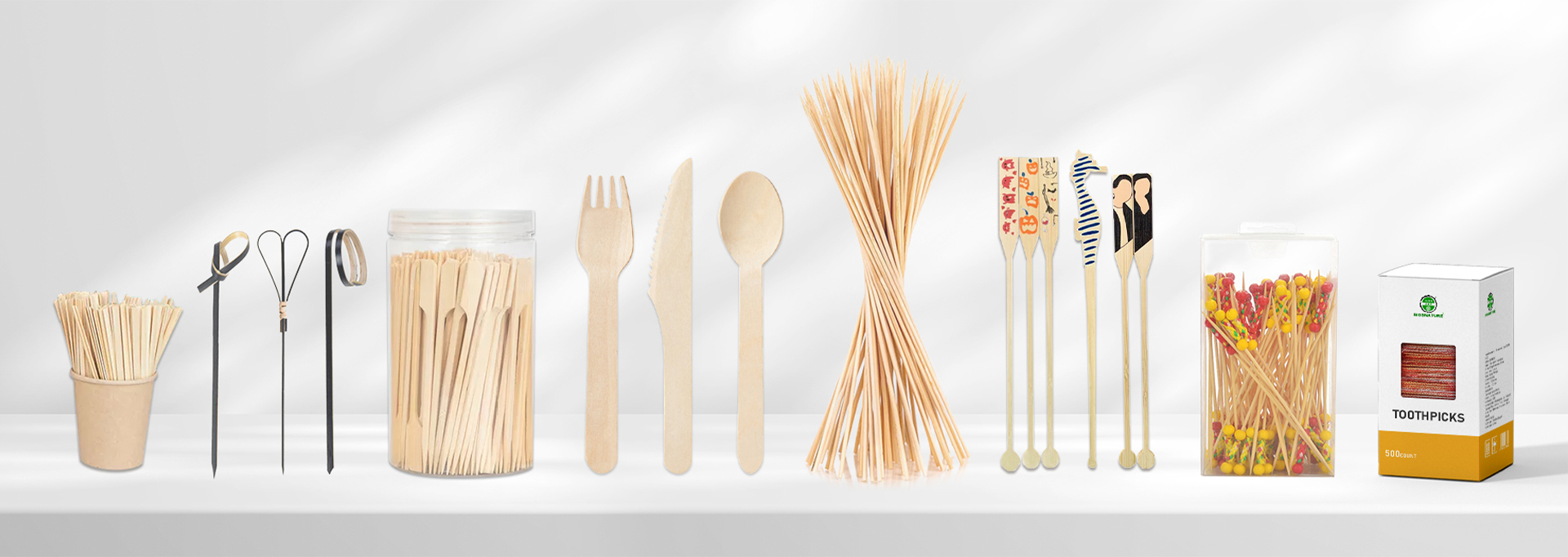
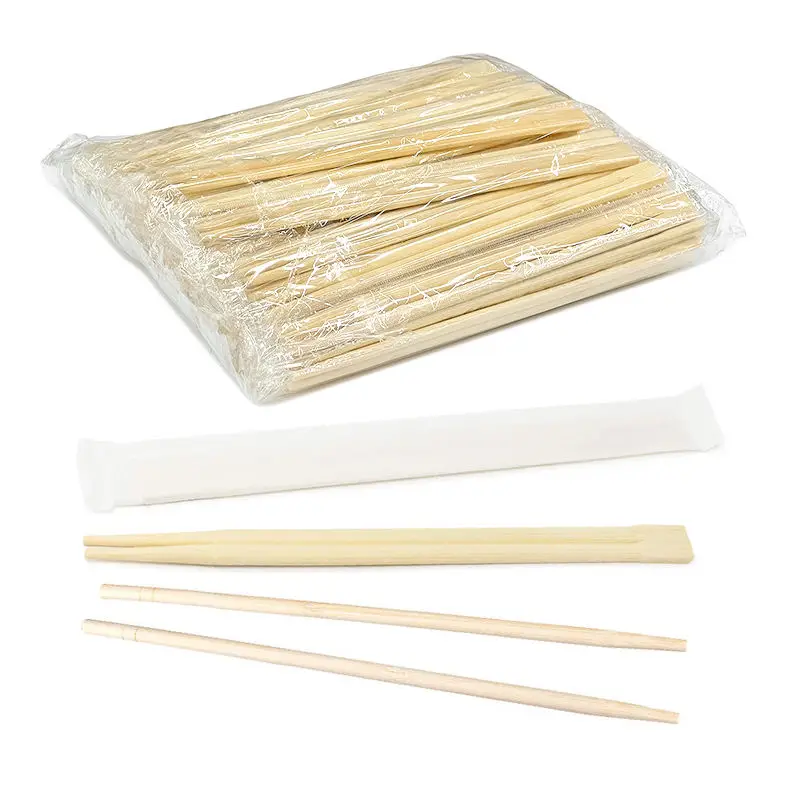
As global awareness of environmental protection deepens, the Disposable Tableware industry is undergoing a profound transformation. In 2026, eco-friendliness is no longer just a “plus” but a core requirement for market access. Among numerous sustainable materials, Polylactic Acid (PLA) has emerged as a clear leader, reshaping consumer choices and enterprise strategies—especially for businesses seeking biodegradable PLA disposable tableware that balances practicality and sustainability. What makes this plant-based material stand out in the fiercely competitive market, and why is it becoming the top pick for custom eco-friendly disposable tableware solutions? Let’s explore the latest trends and underlying logic.
The shift toward eco-friendly options isn’t an overnight phenomenon. For years, traditional plastic tableware has plagued the planet with pollution—landfills overflowing with non-degradable products, marine life entangled in plastic debris, and microplastics seeping into the food chain. Governments worldwide have responded with bans and restrictions: the EU’s single-use plastic directive has been upgraded, while many Asian countries have imposed strict limits on plastic tableware usage. In this context, sustainable disposable food containers and compostable disposable chopsticks have become the only way forward, and PLA is at the heart of this transition.
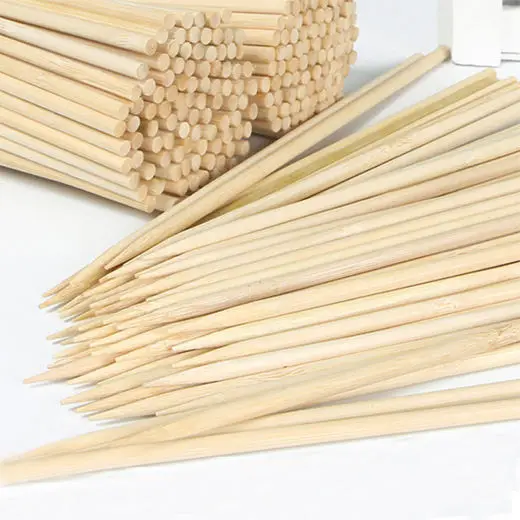
PLA, derived from renewable resources like corn starch and sugarcane, has become the star material for a reason. Unlike traditional plastics made from petroleum, PLA is biodegradable—under industrial composting conditions, it breaks down into carbon dioxide and water within 3-6 months, leaving no harmful residues. But is PLA just a “green gimmick”? From the feedback of catering businesses we’ve collaborated with, the answer is a resounding no. Today’s eco-friendly options match or even exceed traditional plastic in performance: heat-resistant (up to 110°C for high-quality products), leak-proof, and rigid without being brittle. For example, gorlando’s sustainable disposable food containers and PLA tableware for catering are widely used in fast-food chains and large-scale events, proving that eco-friendly choices don’t have to compromise on functionality. Even small items like compostable disposable bamboo skewers and biodegradable disposable toothpicks are now crafted from PLA blends, expanding the material’s reach across the entire category.
Let’s take a closer look at how PLA compares to other common eco-friendly materials in 2026, especially for key product types:
| Material Type | Biodegradability | Heat Resistance | Cost (vs. Traditional Plastic) | Market Share Forecast 2026 | Key Applications |
|---|---|---|---|---|---|
| PLA | Industrial compostable (3-6 months) | Up to 110°C | +15%-20% | 45% | Sustainable disposable food containers, custom eco-friendly disposable tableware, compostable disposable chopsticks |
| Paper-based | Biodegradable (6-12 months) | Up to 80°C | +30%-40% | 22% | Lightweight disposable plates, simple food packaging |
| Bamboo fiber | Fully biodegradable (12-18 months) | Up to 95°C | +50%-60% | 18% | Compostable disposable bamboo skewers, natural disposable toothpicks |
| Traditional Plastic | Non-biodegradable | Up to 120°C | Base line | 15% | Low-cost, short-term use tableware |
The data speaks volumes—PLA’s combination of environmental performance, practicality, and cost-effectiveness makes it the most competitive choice for businesses investing in eco-friendly solutions. But what about the challenges? Many businesses worry about composting conditions—after all, not all regions have mature industrial composting facilities. In reality, as demand for biodegradable PLA disposable tableware grows, more cities are investing in composting infrastructure. Additionally, technological advancements are addressing PLA’s limitations: modified PLA blends now offer better cold resistance and flexibility, expanding their application from large food containers to delicate toothpicks and sturdy bamboo skewers.
Let’s address some common questions businesses frequently ask, especially regarding popular long-tail products:
Q: Is biodegradable PLA disposable tableware suitable for long-term storage of food, such as in sustainable disposable food containers?
A: Yes, as long as stored in a cool, dry environment. PLA is non-toxic and doesn’t release harmful substances, making it safe for both cold and warm foods (within heat-resistant limits). However, prolonged exposure to direct sunlight may accelerate degradation—something to keep in mind for outdoor catering.
Q: Are custom eco-friendly disposable tableware solutions made from PLA more expensive than traditional plastic options?
A: Initially, yes—PLA’s production cost is about 15%-20% higher. But when factoring in long-term costs like environmental fines, brand reputation damage, and consumer preference shifts toward eco-friendly choices, PLA becomes cost-effective. As production scales up (gorlando expanded its PLA production line for food containers by 30% in 2025), prices are steadily decreasing, narrowing the gap with traditional plastic.
Q: Can compostable disposable chopsticks and compostable disposable bamboo skewers made from PLA be recycled?
A: Yes, PLA can be mechanically recycled but requires separate collection from traditional plastics (they have different melting points). Many manufacturers, including gorlando, offer recycling programs for their PLA-based products—from large custom containers to small toothpicks—helping businesses close the sustainability loop.
Looking ahead to the rest of 2026, the PLA market will see two key trends: customization and integration. Businesses no longer settle for generic products—they want custom eco-friendly disposable tableware that reflects their brand identity, from color matching to logo printing. gorlando’s tailored solutions, including branded sustainable disposable food containers and custom compostable disposable chopsticks, have helped many catering brands stand out while staying eco-friendly. Additionally, smart technology integration—such as biodegradable QR codes on catering tableware that provide product origin and composting guidance—will become a new differentiator.
The rise of PLA isn’t just a trend; it’s a reflection of the industry’s shift toward responsibility. As consumers grow more environmentally conscious and governments tighten regulations, businesses embracing biodegradable PLA disposable tableware early will gain a competitive edge. Whether you’re a small café needing compostable disposable bamboo skewers or a large catering chain seeking custom eco-friendly disposable tableware, choosing PLA is an investment in a sustainable future. After all, the best “disposable” products leave no lasting footprint on the planet.
In 2026, the Disposable Tableware market is no longer just about convenience—it’s about conscience. And PLA is leading the way forward for sustainable, compostable, and custom-friendly solutions.
发表回复