
 Русский
 Português
 Español
 Français
 Deutsch
 العربية
 简体中文
简体中文 日本語
日本語 한국어
한국어
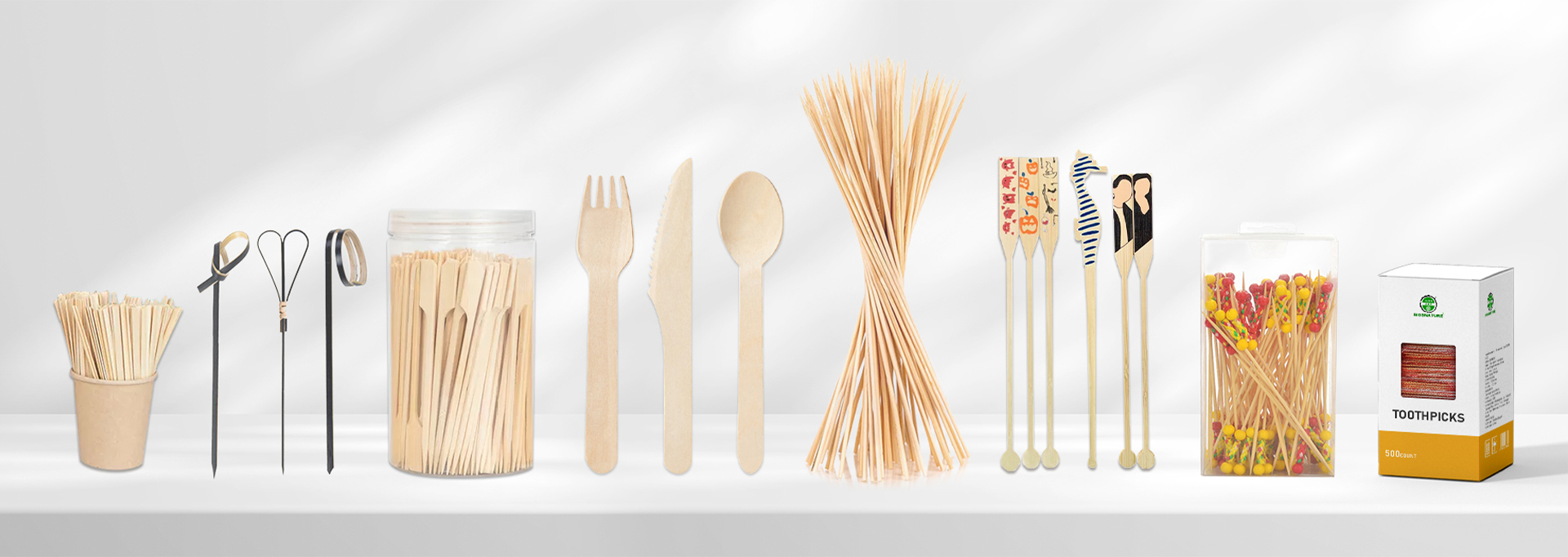
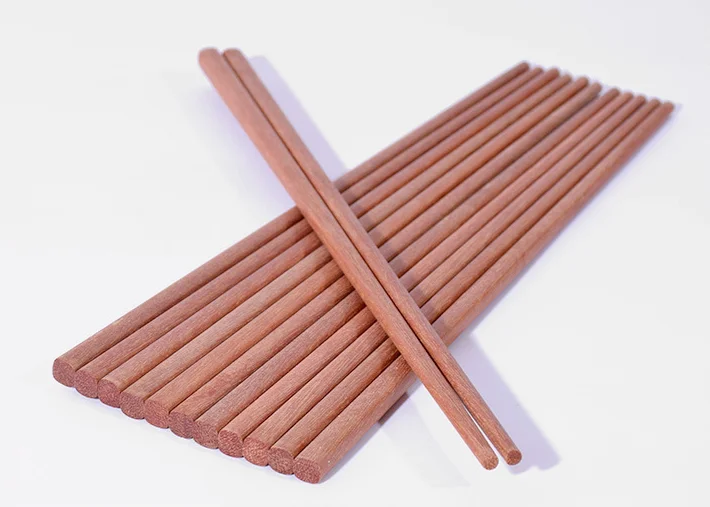
In the fast-paced modern life, Disposable Chopsticks have long permeated daily routines—they have become the go-to choice for many in restaurants, canteens, and takeout scenarios, thanks to their “ready-to-use, no-wash” feature. However, this product labeled “convenient” and “hygienic” has sparked numerous debates regarding health safety and environmental protection, with real impacts far more complex than we imagine.
I. Key Data of Disposable Chopsticks (2024 Latest Statistics)
| Statistical Indicator | Specific Data |
|---|---|
| Annual Domestic Production | Approximately 12 million boxes |
| Annual Export Volume (mainly to Japan, South Korea, etc.) | Approximately 7 million boxes |
| Annual Wood Resource Consumption | Approximately 5.2 million cubic meters |
| Proportion of National Annual Logging Volume | About 11.3% |
| Effective Wood Utilization Rate | Only about 60% |
| Quantity Produced from One 20-Year-Old Tree | 6,000-8,000 pairs |
| Annual Reduction in Forest Stock | Approximately 2.2 million cubic meters |
| Shelf Life of Qualified Products | Up to 4 months |
II. Convenience and Practical Shortcomings of Disposable Chopsticks
1. Unignorable Usage Advantages
- Time-saving: No need for cleaning or disinfection, discard after use, suitable for fast-paced scenarios like takeout and fast food;
- Reducing cross-infection risks: Qualified products from regular manufacturers can minimize hygiene hazards of shared tableware when stored sealed and within shelf life;
- Adapting to temporary needs: No need to carry tableware for outdoor dinners, large-scale events, etc., with flexible usage.
2. Unavoidable Three Core Issues
- Prominent health hazards: To cut costs, unregulated small workshops use low-quality wood. Solid-state processing involves sulfur fumigation for bleaching, resulting in excessive sulfur dioxide. When heated, it is released and easily irritates the respiratory tract, causing coughs and asthma. Liquid processing may use chlorine or hydrogen peroxide—chlorine increases the risk of gallstones, while hydrogen peroxide contains carcinogenic dioxins. In addition, bamboo Disposable Chopsticks are polished with talcum powder for smoothness, and long-term ingestion also endangers digestive organs.
- Huge environmental pressure: China’s forest coverage rate is about 24.02%, only one-third of Japan’s (68.5%), yet it undertakes the majority of global Disposable Chopsticks production. The annual reduction of 2.2 million cubic meters of forest stock is equivalent to the continuous consumption of large areas of natural forests, causing irreversible impacts on ecological balance.
- Lack of hygiene standards: Currently, there are no specific hygiene inspection rules for “Disposable Chopsticks” in China. Some expired products are prone to breeding Staphylococcus aureus, Escherichia coli, and even carrying hepatitis viruses, which instead become “invisible killers” of health.
III. Common Questions About Disposable Chopsticks
Question 1: Are Disposable Chopsticks really more hygienic than reusable tableware?
The answer is no. Reusable tableware has a higher hygiene compliance rate after standardized cleaning and high-temperature disinfection; while Disposable Chopsticks are more likely to breed bacteria if stored improperly (such as dampness, damage), expired, or insufficiently disinfected during production. The so-called “hygiene” is mostly an illusion at the psychological level.
Question 2: Are bamboo Disposable Chopsticks more environmentally friendly than wooden ones?
In fact, there is not much difference. Although bamboo has a short growth cycle, large-scale felling will still damage soil and vegetation; moreover, the polishing and bleaching processes of bamboo chopsticks also produce pollution. If not properly recycled, they will still cause environmental burden.
IV. Rational View on the Use of Disposable Chopsticks
The emergence of Disposable Chopsticks is a product of the accelerated social rhythm, but convenience cannot be a reason to ignore health and environmental protection. As consumers, we can reduce unnecessary use and bring our own portable tableware; when choosing products, we should first check the production qualifications and shelf life on the packaging, and avoid low-quality products without brands or logos.
For the catering industry, regulating the procurement and storage of Disposable Chopsticks and promoting degradable alternative tableware are the long-term choices that balance convenience and environmental protection. After all, the sustainability of health and ecology is far more important than temporary convenience.
发表回复