
 Русский
 Português
 Español
 Français
 Deutsch
 العربية
 简体中文
简体中文 日本語
日本語 한국어
한국어
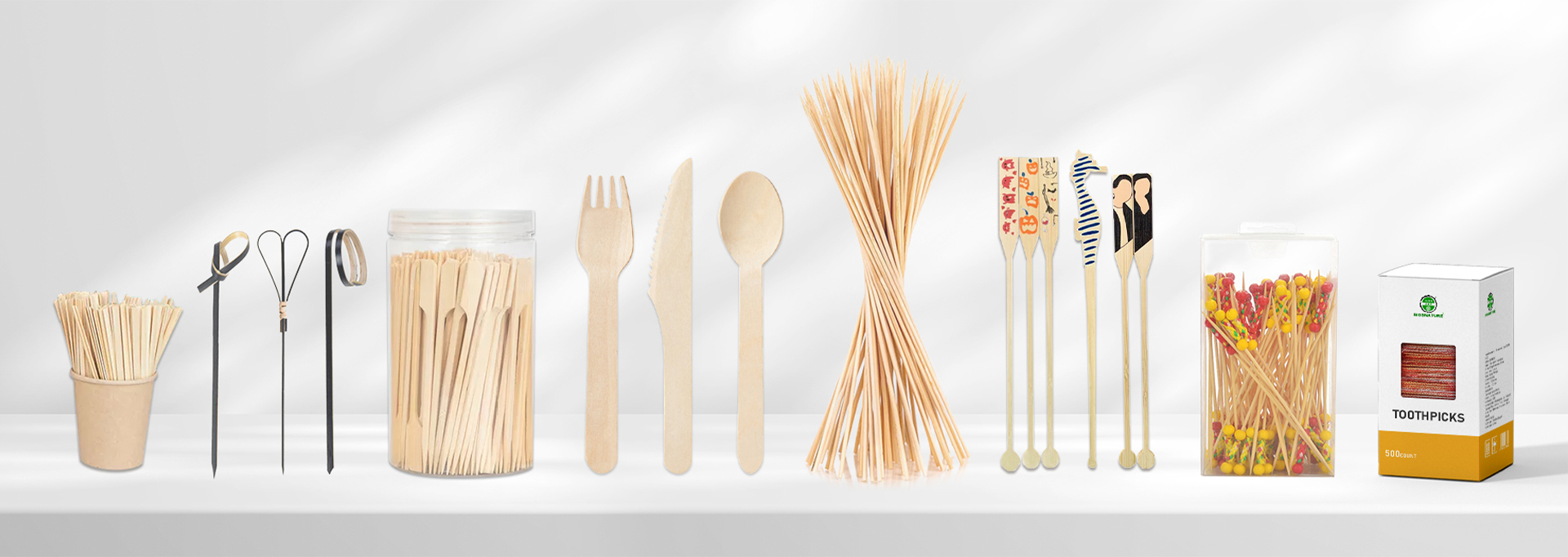
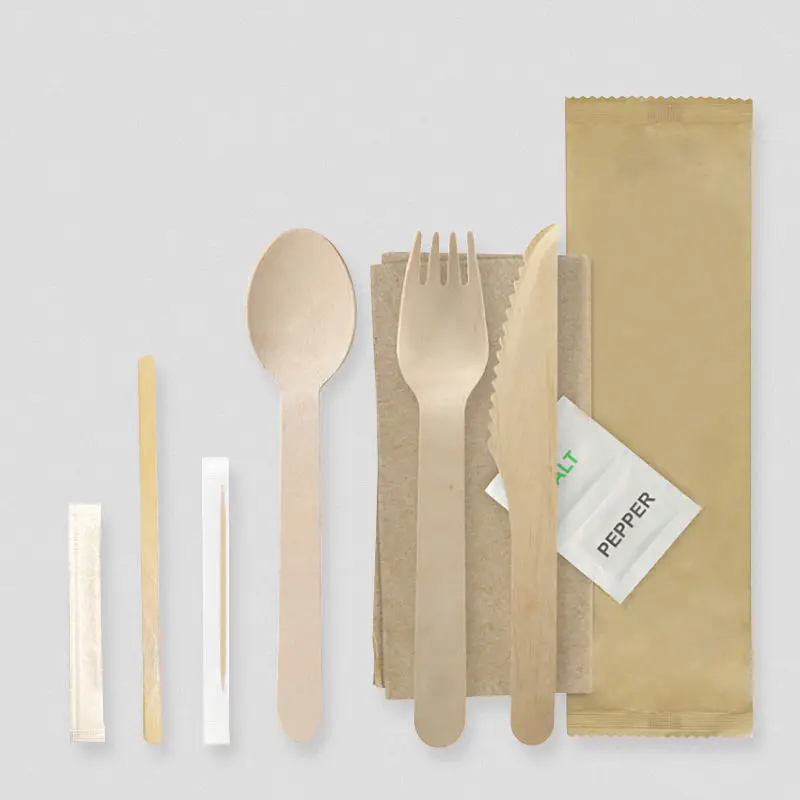
Sustainable Disposable Tableware isn’t just a trend—it’s the new standard for the global food and beverage industry. As consumers prioritize eco-conscious choices, businesses are ditching single-use plastic and embracing eco-friendly catering supplies that balance practicality, safety, and planet-friendly design. Gone are the days of choosing utensils solely for cost; today’s diners judge brands by their sustainability efforts, making the right tableware a key part of customer loyalty and reputation. For F&B operators, navigating this shift means knowing which materials deliver on both performance and green credentials—and we’re breaking it down for you.
1. Bagasse: The King of Heat-Resistant Sustainable Tableware
If you’re serving hot soups, stir-fries, or microwaveable meals, bagasse (sugarcane fiber) is your ultimate ally in 2025. This byproduct of sugar production has become a standout in sustainable disposable tableware, thanks to its unbeatable heat resistance that outperforms traditional paper or flimsy plastic. We’re talking 120°C+ tolerance—no warping, leaking, or disintegrating when holding boiling broth, reheated pasta, or greasy takeout.
What makes bagasse a fan favorite? It’s not just durable—it’s 100% microwave-safe (a game-changer for meal kits and takeaway chains) and fully biodegradable. Unlike plastic that clogs landfills for centuries, bagasse breaks down naturally in 3–4 months, leaving zero toxic residue. Plus, it’s cost-competitive with plastic, supports circular economy practices (repurposing agricultural waste), and resonates deeply with eco-aware customers. Major fast-food brands are already making the switch—don’t let your business fall behind.
2. Bamboo Cutlery & Wooden Utensils: Natural Aesthetic and Luxury Appeal
For high-end restaurants, boutique cafes, or catering services, Bamboo Cutlery & Wooden Utensils are the gold standard in 2025. These materials bring a warm, organic vibe that elevates any dining experience—all while boasting zero chemical processing. Unlike plastic or coated paper products, bamboo and wood are naturally food-safe (no BPA, no toxic dyes) and offer a tactile, premium feel that customers associate with quality.
Bamboo, in particular, is a sustainability powerhouse: it matures in 1–2 years (vs. 20+ for hardwoods) and regrows without replanting, making it infinitely renewable. It’s lightweight yet surprisingly strong—perfect for forks that won’t bend under a steak or spoons that scoop thick desserts with ease. Wooden utensils (think birch or beech) add a touch of elegance with unique grain patterns, making them ideal for weddings, corporate events, or farm-to-table spots. Pro tip: Store them in a dry, ventilated area to prevent molding—small maintenance for big branding wins.
3. PLA vs CPLA: The Clear, Compostable Alternative to Plastic
If you love the transparency of plastic but want to stay eco-friendly, PLA (polylactic acid) and CPLA (crystallized PLA) are the top choices for Sustainable Disposable Tableware 2025. Made from renewable cornstarch, these bioplastics mimic the look and feel of traditional plastic—without the environmental guilt. But here’s the critical detail every F&B operator needs to know: their temperature limits and composting requirements differ drastically.
| Material | Temperature Limit | Composting Requirements | Best For |
|---|---|---|---|
| PLA | Up to 60°C (140°F) | Industrial compost (55°C+ heat) | Cold foods, salads, smoothies, cold drinks |
| CPLA | Up to 105°C (221°F) | Industrial compost (faster breakdown than PLA) | Hot drinks, warm snacks, light soups, grab-and-go meals |
PLA works great for cold items but softens quickly with heat—skip it for boiling soups. CPLA, however, is a 升级 (upgrade): it’s engineered to handle higher temperatures without losing shape, making it a versatile pick for businesses that want a plastic-like aesthetic. The catch? Both need industrial composting (home composts don’t get hot enough) to break down. If your local waste system supports it, CPLA is a fantastic guilt-free option; if not, pair it with a customer takeback program for used utensils.
4. How to Choose? A Practical Buying Guide for 2025
With so many sustainable options, it’s easy to overcomplicate—so let’s simplify with two common F&B scenarios:
Scenario A: High-End Catering or Boutique Cafes
Choose: Bamboo Cutlery or Wooden Utensils
Why? The natural aesthetic aligns with premium branding, and customers notice the upgrade from plastic. It’s perfect for plated meals, artisanal coffee shops, or events where presentation matters. Plus, bamboo’s sustainability story makes for engaging social media content—share how you’re reducing your carbon footprint, and your audience will connect.
Scenario B: Fast Food, Takeaway Chains, or Meal Kits
Choose: Bagasse (for hot foods) or CPLA (for plastic-like clarity)
Why? Bagasse handles heat and heavy meals without leaks (no more soggy takeaway boxes!), keeping customers happy. CPLA works if you want the familiar look of plastic but need to meet eco standards. Both are cost-effective for high-volume orders, and their biodegradable credentials appeal to budget-conscious yet green-minded diners.
Bonus tip: Always check for “food contact safe” certifications (e.g., FDA, EU Food Contact Materials) to ensure compliance—safety never takes a backseat to sustainability.
Conclusion & 2025 Outlook
Sustainable Disposable Tableware 2025 is all about balance: materials that work for your business, delight your customers, and protect the planet. Consumers aren’t just asking “is it convenient?”—they’re asking “is it responsible?” And for F&B businesses, answering that question with the right tableware is how you build long-term trust.
At Gorlando, we’re leading the charge with innovative, sustainable catering supplies tailored to 2025’s demands. Our bagasse tableware sets are engineered for durability and heat resistance, our bamboo cutlery line blends luxury with eco-friendliness, and our CPLA products offer a guilt-free plastic alternative. We’re not just selling utensils—we’re helping brands grow by aligning with the values that matter most today.
As environmental policies tighten and consumer expectations rise, the future of disposable tableware is clear: it must be sustainable, functional, and brand-aligned. Whether you’re a small café or a global chain, the right choice today will set you up for success tomorrow. Let’s make 2025 the year we say goodbye to wasteful plastic—and hello to a more responsible way of serving food.
Ready to upgrade your sustainable disposable tableware? Contact Gorlando today to explore our 2025 collection—designed to fit your business needs and sustainability goals.
发表回复