
 Русский
 Português
 Español
 Français
 Deutsch
 العربية
 简体中文
简体中文 日本語
日本語 한국어
한국어
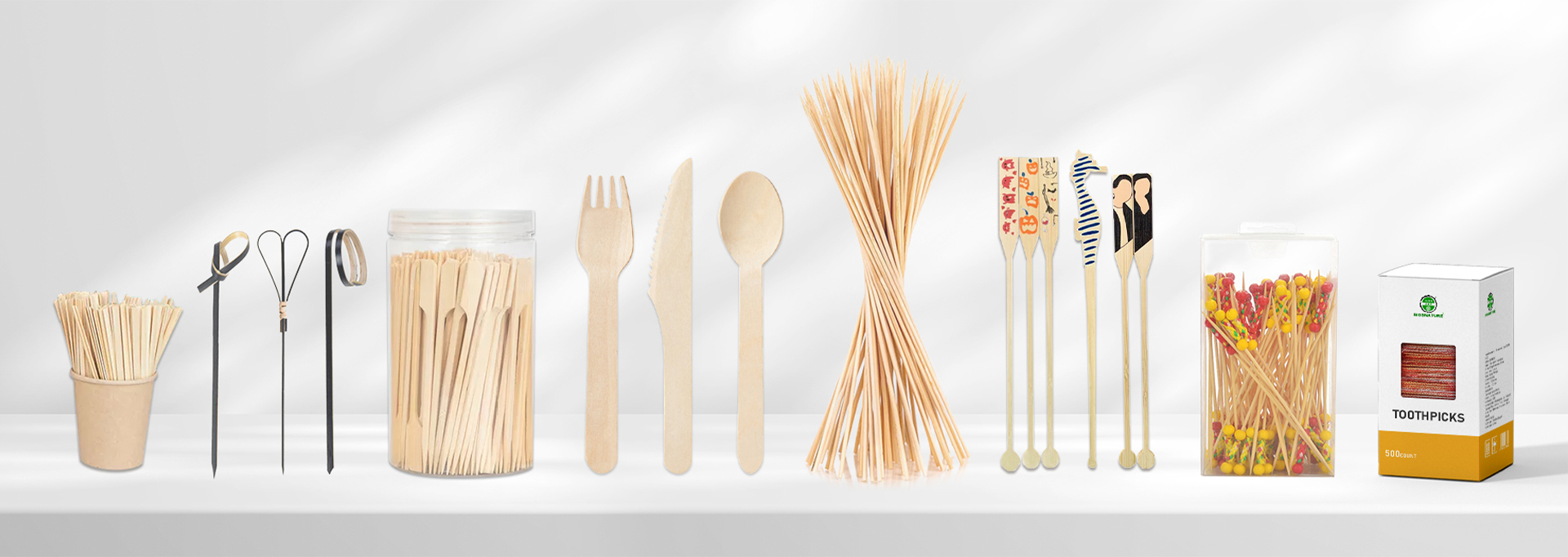
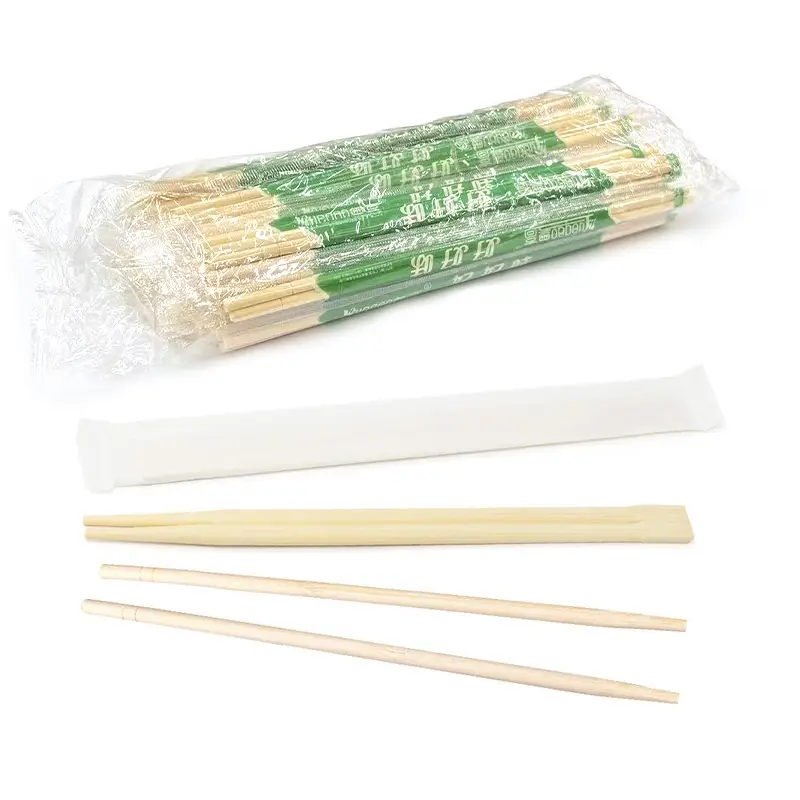
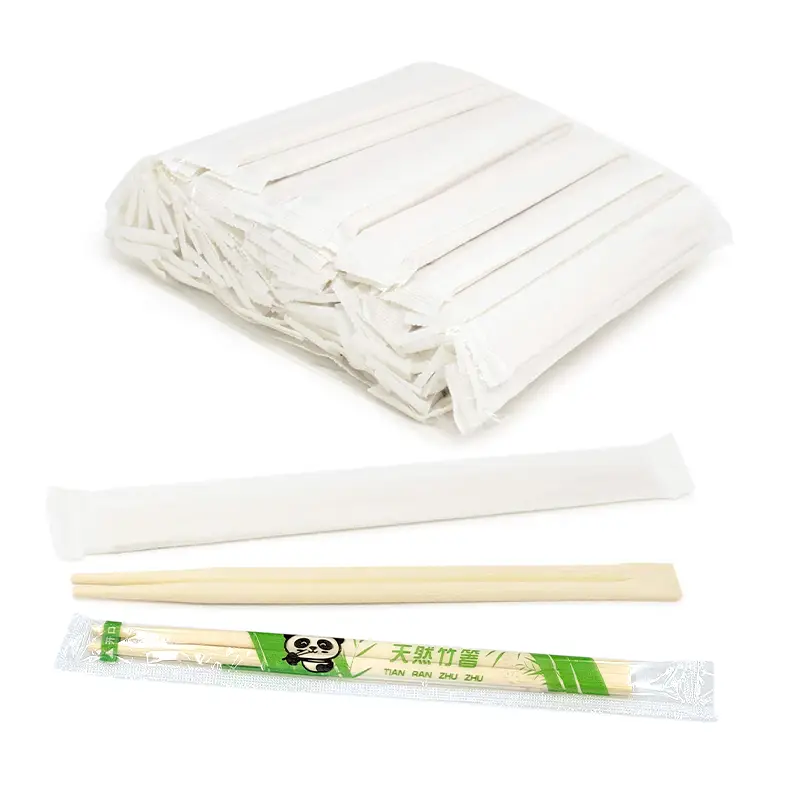
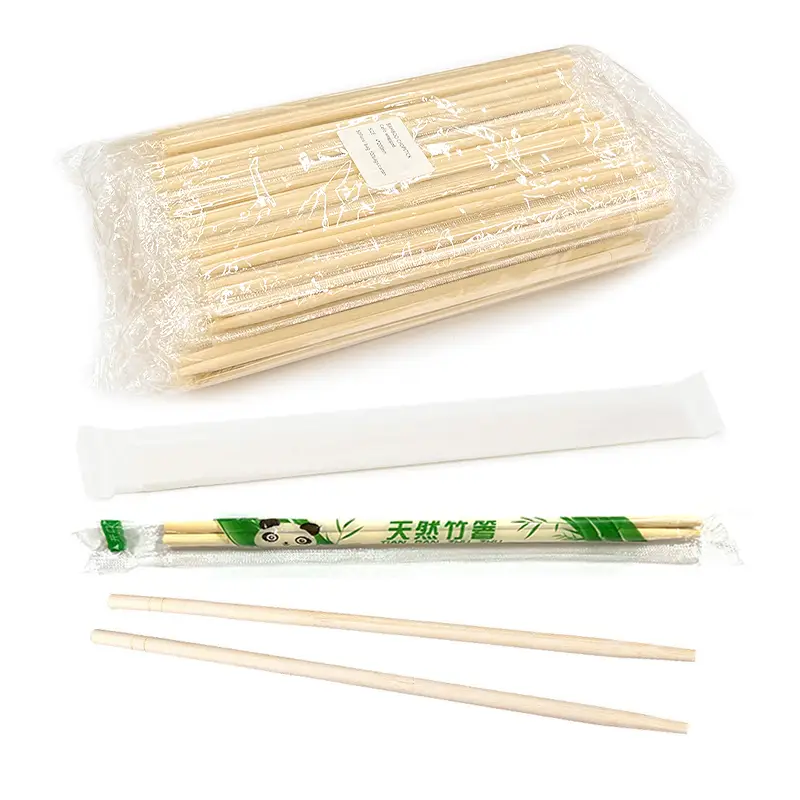
As a company specializing in “disposable tableware customization“, Gorlando understands that while disposable bamboo chopsticks are convenient, massive waste not only squanders resources but also burdens the environment. 2025 environmental data shows that China consumes over 30 billion pairs of disposable bamboo chopsticks annually, with only 15% initially recycled—most end up in landfills with household waste. Thus, building a full-chain system of “”Classification and Recycling – Centralized Processing – Resource Regeneration”” is key to solving the problems of “difficult recycling, high processing costs, and low utilization rates”. Below are actionable solutions from four core dimensions:
1. Build a Convenient Recycling Network: Make “Recycling” Easy (Scenario Comparison Table)
Recycling is the foundation, and the core is to make it “willing and easy” for businesses and consumers to participate. We’ve summarized implementation measures for two high-frequency scenarios, partially referencing mature takeaway platform models:
| Recycling Scenario | Core Measures | 2025 Incentives |
|---|---|---|
| Catering (Hot Pot/Rapid-Food Restaurants) | Place “Special Bamboo Chopstick Recycling Bins” (green recyclable label + “Regeneration Use: Handicrafts/Fuel”) at entrances/checkouts | 1. Takeaway platforms grant “Eco-Merchant” tags, increasing traffic by 15%-20%; 2. Local environmental departments subsidize 0.1 CNY per pair based on recycling volume |
| Community & Household | Add “Bamboo/Wood Recyclables” drop-off points at waste sorting stations; community staff explain “oil-free chopsticks can be dropped separately” | 1. Community points (1kg chopsticks = 50 points, redeemable for laundry detergent/tissues); 2. Eligibility for quarterly “Eco-Family” awards |
Practical Q&A: Q: Can disposable bamboo chopsticks with oil stains at home be recycled?A: Yes! Rinse off obvious oil stains with water (no detergent needed), wipe dry, and drop them into the “Bamboo/Wood” recycling bin. Oil stains affect subsequent bamboo fiber utilization—simple cleaning can increase the recycling rate by 30%.
2. Break Through Processing Technology Bottlenecks: Turn “Waste” into Resources (Technology Comparison)
For recycled bamboo chopsticks, processing technology directly determines utilization rate. In 2025, the industry has formed a mature path of “Pretreatment + Diversified Regeneration”, avoiding secondary pollution while increasing value:
1. Pretreatment Technology: Low-Cost Impurity Removal is Key
| Pretreatment Method | Advantages | Applicable Scenarios |
|---|---|---|
| High-Temperature Steaming (80℃) + Physical Rubbing | No chemical residues, fully retains bamboo fibers | Large batches of chopsticks from catering recycling |
| Bio-Enzyme Cleaner Decomposition | 95% oil removal efficiency, low equipment cost | Small batches of chopsticks from community recycling |
2. Resource Regeneration: From “Low-Value” to “High-Value”
- Low-Value Regeneration: Crushed for biomass fuel (replacing coal to reduce carbon emissions), organic fertilizer (fermented with straw for farmland), or as auxiliary materials for man-made boards (reducing raw wood usage by 30%);
- High-Value Regeneration: Deep-processed into bamboo handicrafts (e.g., mini storage boxes, desktop decorations), pet products (bamboo cat scratchers, 2x more wear-resistant than ordinary plastic), or bamboo fiber extraction for disposable tableware raw materials—Gorlando is also exploring such recycled materials to form a closed loop of “Tableware – Recycling – Re-manufactured Tableware”.
3. Policy & Market Guidance: Who Will “Push Forward”? (2025 New Policies)
Public welfare alone is unsustainable. In 2025, many regions have launched dual-drive measures of policy and market:
- Enterprise Incentives: Exempt bamboo chopstick recycling enterprises from value-added tax, and subsidize 300-600 CNY/ton based on recycling volume (20% higher than 2024); require disposable bamboo chopstick manufacturers to pay a “recycling fund” (50 CNY/ton of products) for special use in recycling;
- Market Pull: Governments prioritize purchasing recycled bamboo office supplies (e.g., file racks, pen holders); supermarkets set up “Recycled Bamboo Products Counters”—Gorlando recommends cooperative catering clients prioritize recycled bamboo packaging to enhance brand environmental image.
4. Public & Merchant Awareness: Will They “Participate”?
- For Merchants: Many restaurant owners worry “recycling increases costs”, but this is not true—after cooperating with third-party recycling enterprises, they not only reduce waste disposal fees (40 CNY/ton lower) but also attract eco-conscious consumers via “Eco-Merchant” tags (2025 survey shows 68% of consumers prefer restaurants with recycling measures);
- For the Public: Release “The Rebirth of a Bamboo Chopstick” animations on short-video platforms, showing the whole process from recycling, processing to handicraft production, dispelling the misunderstanding of “recycling is useless”—while advocating “avoid disposable chopsticks when unnecessary” to reduce consumption at the source.
Gorlando’s Environmental Thought
As a disposable tableware customization enterprise, we believe that recycling disposable bamboo chopsticks is not a “choice” but a “must”. In the future, Gorlando will add “recycling guidelines” to tableware packaging to help cooperative clients better guide consumers to participate, jointly promoting the formation of an environmental closed loop.
发表回复