
 Русский
 Português
 Español
 Français
 Deutsch
 العربية
 简体中文
简体中文 日本語
日本語 한국어
한국어
1. Why Does the Shelf Life of Disposable Bamboo Skewers Matter?
As a professional in Guangzhou Gorlando (specializing in customized disposable food serviceware), we’ve noticed that when customers customize disposable bamboo skewers, besides appearance and size, “how long can they last” is a frequent question. After all, whether it’s for skewering fruits in milk tea shops, grilling in barbecue restaurants, or customized skewers for takeout, exceeding the safe shelf life not only affects the user experience but also may pose hygiene risks. Generally, the shelf life of regular disposable bamboo skewers ranges from 12 to 24 months. However, in actual storage, many factors can “shorten” this period. Today, we’ll break down the influencing factors from 3 core dimensions and answer common questions about customization.
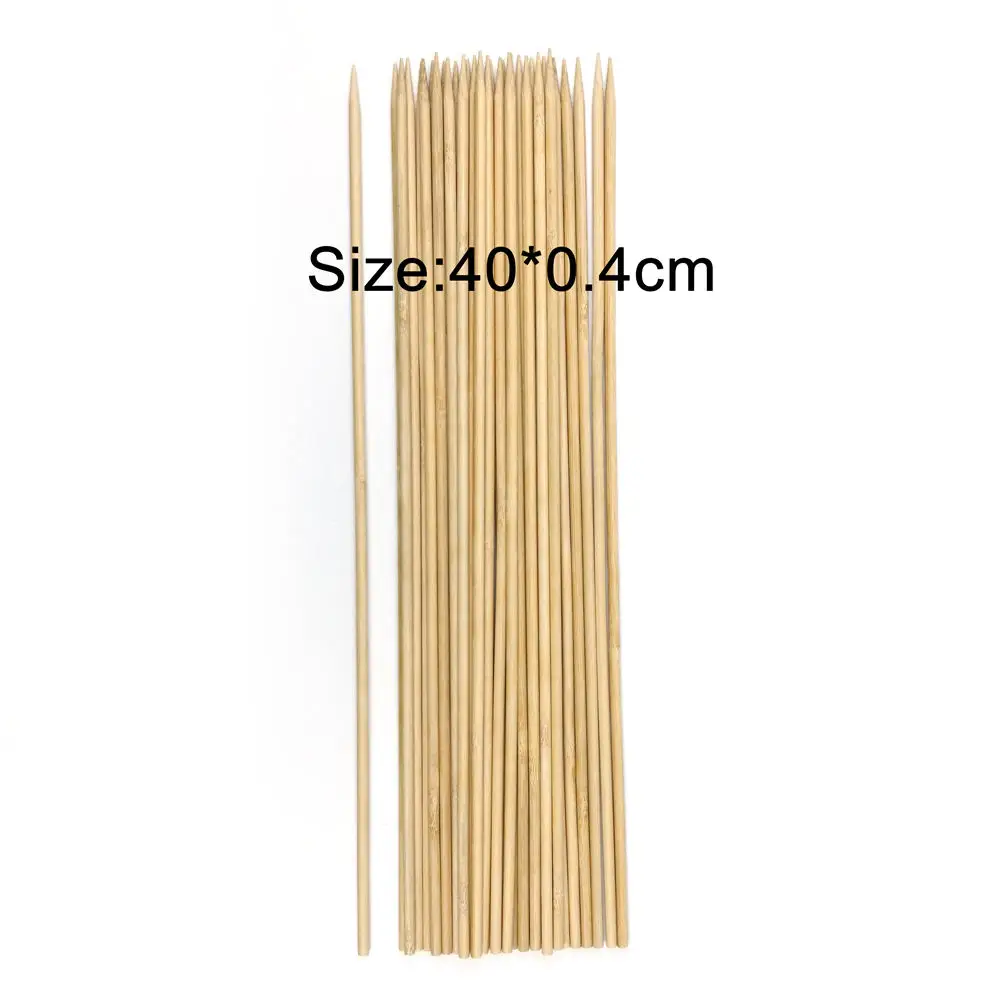
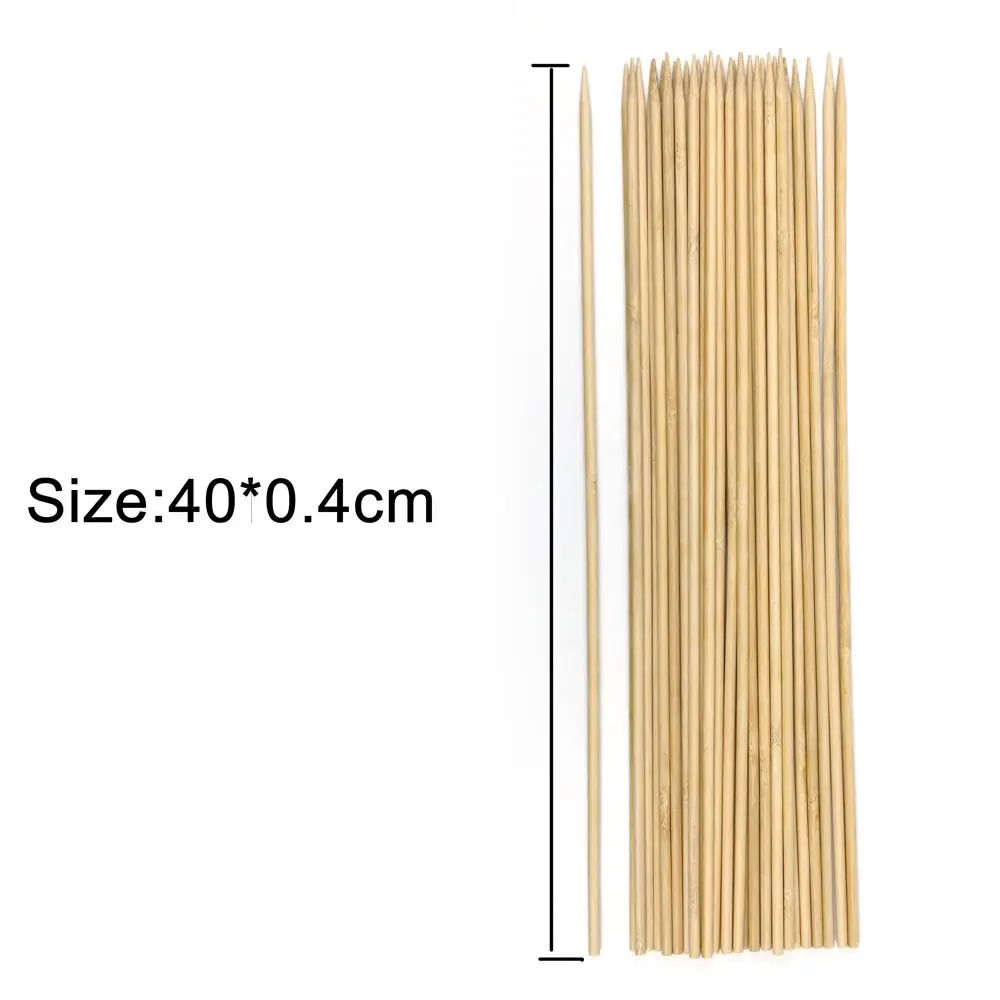
2. 3 Core Factors Affecting the Shelf Life of Disposable Bamboo Skewers
(1) Raw Materials & Processing: Determine the “Basic Lifespan” from the Source
- Bamboo Quality Is CriticalNot all bamboo is suitable for food-grade skewers. At Gorlando, when customizing bamboo skewers, we prioritize moso bamboo or nan bamboo that has grown for 3-5 years. Bamboo of this age has high fiber density and moderate lignification—it’s not easy to break, and it reduces “mold nutrients” like internal sugar and starch. On the other hand, young bamboo (1-2 years old) is not only prone to deformation but may also mold quickly during storage due to high water content.For example, a customer once asked why bamboo skewers made from bamboo grown in pollution-free mountainous areas last 3-4 months longer than those from ordinary bamboo forests. The answer lies here: a clean growth environment reduces eggs and impurities in the bamboo itself, lowering the risk of deterioration from the source.
- Processing Technology: Add “Protection” to SkewersRough processing shortens the shelf life, while fine craftsmanship extends it. Our customized bamboo skewers undergo 3 key treatments:
- Step 1: Low-temperature dehumidification (45℃-50℃): Avoids cracking caused by direct high-temperature drying, while controlling water content at 12%-15% (too high leads to mold, too low leads to breakage);
- Step 2: UV sterilization: Safer than traditional chemical sterilization, and destroys mold spores;
- Step 3: Fine polishing: Makes the skewer surface smooth and burr-free, reducing “hiding places” for bacteria.A barbecue restaurant customer once feedback that with our processed customized skewers, the probability of “black spots” during the shelf life decreased by 80% compared to ordinary skewers they purchased before.
(2) Storage Conditions: Determine Whether the Shelf Life “Shrinks”
Many customers think “just put it anywhere after buying,” but wrong storage will make even the best skewers go bad quickly. Here’s a comparison table for clarity:
| Storage Conditions (Temperature + Humidity + Packaging) | Expected Shelf Life (Regular Products) | Notes |
|---|---|---|
| Below 25℃ + Humidity ≤60% + Sealed Packaging | 18-24 months | Temperature fluctuation should not exceed 5℃; avoid direct air conditioning or heat sources |
| 25-30℃ + Humidity 60%-70% + Ordinary Packaging | 12-15 months | Check for moisture condensation weekly and change to a dry environment promptly |
| Above 30℃ + Humidity >70% + No Sealing | 6-8 months | Prone to mold; not recommended for food service |
Our storage advice for customized customers: Store in the original packaging (we use food-grade PE sealed bags with one-way exhaust valves) on a cool warehouse shelf, away from damp areas like sinks and refrigerator air outlets.
(3) Usage Methods: Affect the “Life of Remaining Skewers”
- **Taking: Avoid “Human Contamination”Many store employees are used to grabbing the top of skewers (the part touching food) with their hands. Oil and bacteria on hands will stick to the skewers, and even if put back into the packaging, they will accelerate deterioration. We recommend using sterile tweezers for taking, or customizing “packaging with a taking slot” to reduce hand contact.
- **Remaining Skewers: Don’t “Leave Them Unsealed”If you can’t use them all at once, seal them in time! A milk tea shop customer once left the remaining skewers in an open storage box, and found the surface sticky in just half a month—this is caused by dust and moisture in the air. The correct way: Seal in small bags, mark the storage date, and use the opened batches first.
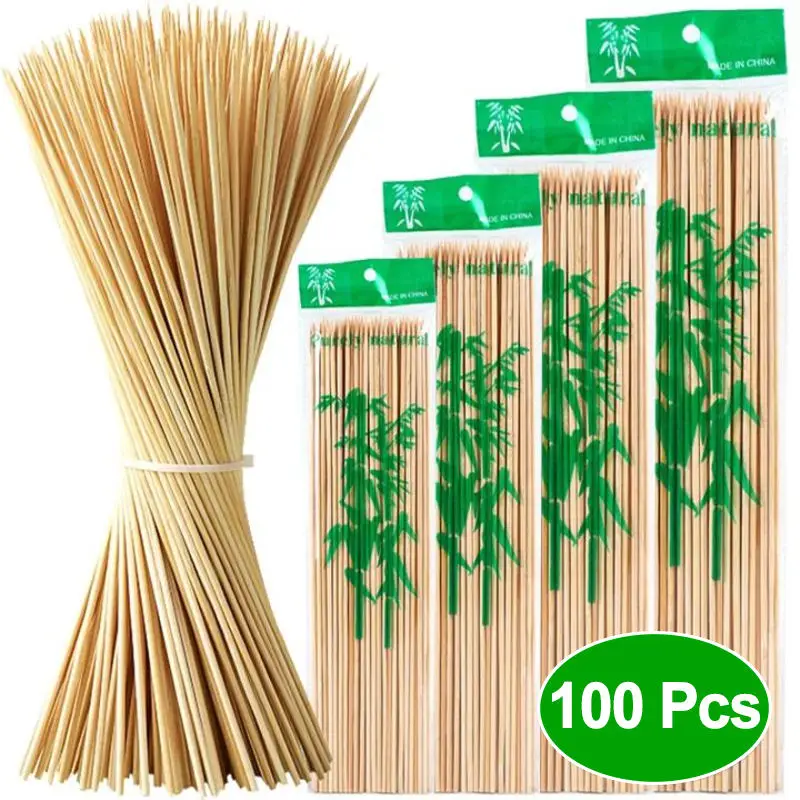
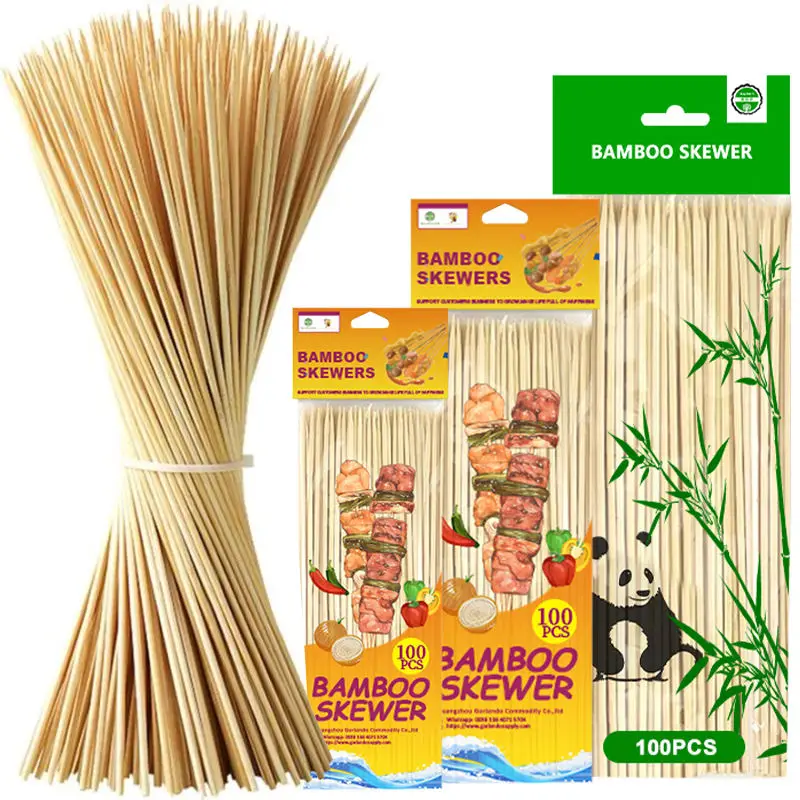
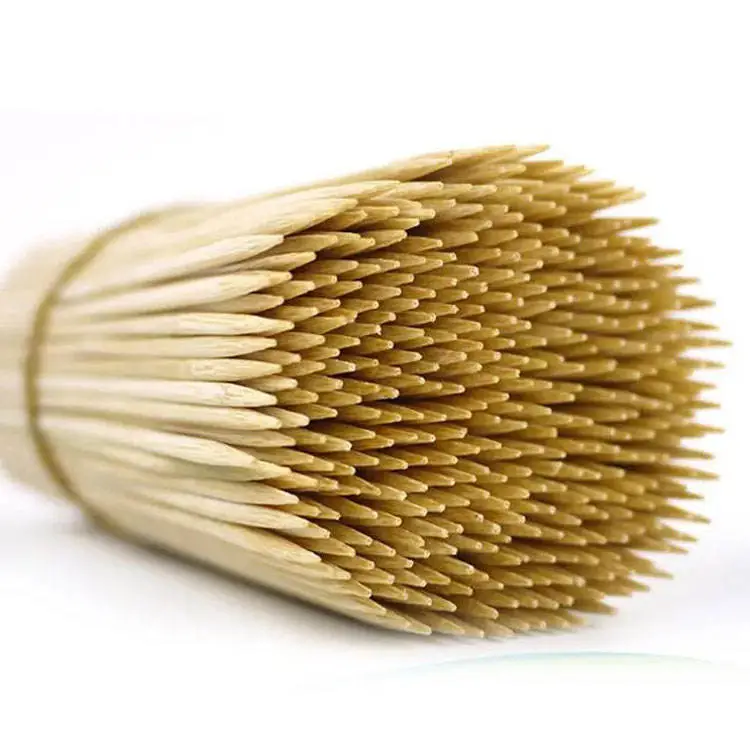
3. 2 Common “Customization + Shelf Life” Questions from Customers
- **Q: We want to customize longer skewers (e.g., 20cm). Can the shelf life be the same as regular 15cm ones?A: Yes! As long as the bamboo quality and processing technology remain unchanged, length does not directly affect the shelf life. However, note that longer skewers should be stored to avoid extrusion and breakage. We will match customized hard carton packaging to reduce damage during transportation and storage, ensuring the shelf life is not affected.
- **Q: If the skewers get damp accidentally during storage, can they still be used after drying in the sun?A: Not recommended! Even if the surface is dried, mold may have grown inside the damp skewers (invisible to the naked eye), which poses a hygiene risk when used to touch food. As a custom manufacturer, we recommend everyone follow the principle of “discard if expired or deteriorated”—after all, food safety comes first.
4. A Small Customization Reminder from Gorlando
For friends in the catering industry, the shelf life of disposable bamboo skewers is not only “storage time” but also “safety guarantee.” When customizing, we will adjust the bamboo selection and processing technology according to the customer’s usage scenario (e.g., high-temperature grilling, chilled fruit skewers). For example, customized skewers for barbecue restaurants will undergo additional “high-temperature resistance reinforcement” to extend service life and ensure safety. If you have customization needs, feel free to consult us at any time—we will provide full-process advice from materials to storage.
发表回复