
 Русский
 Português
 Español
 Français
 Deutsch
 العربية
 简体中文
简体中文 日本語
日本語 한국어
한국어
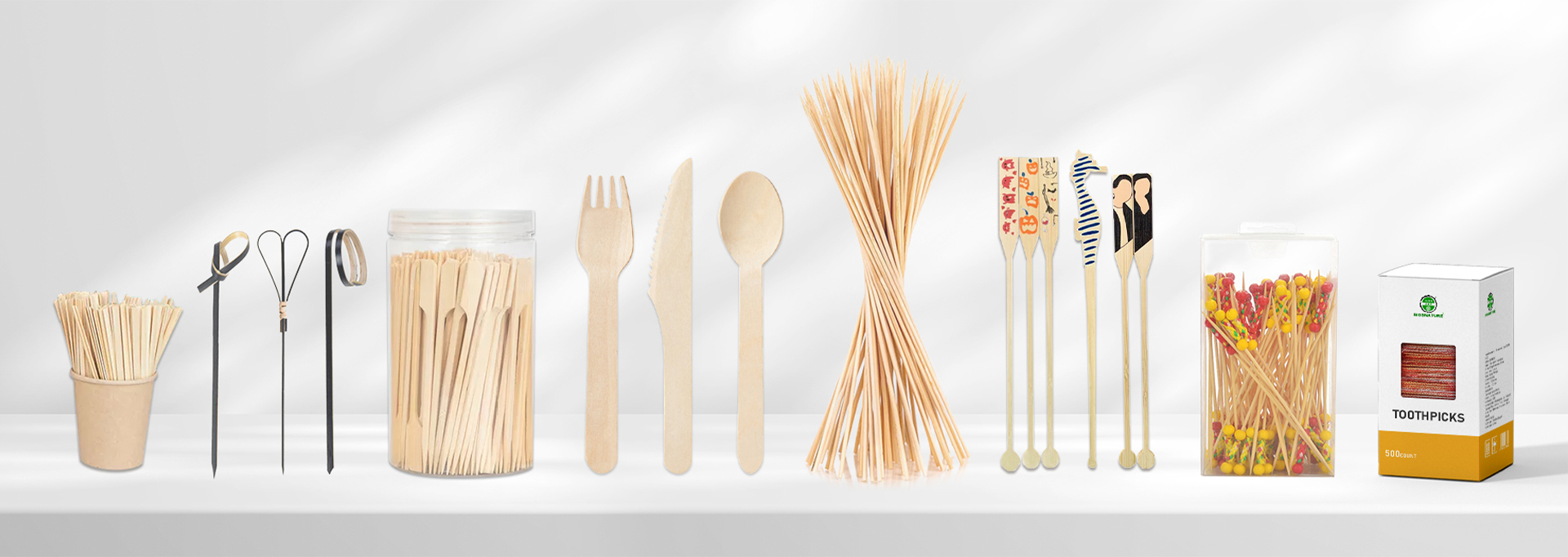
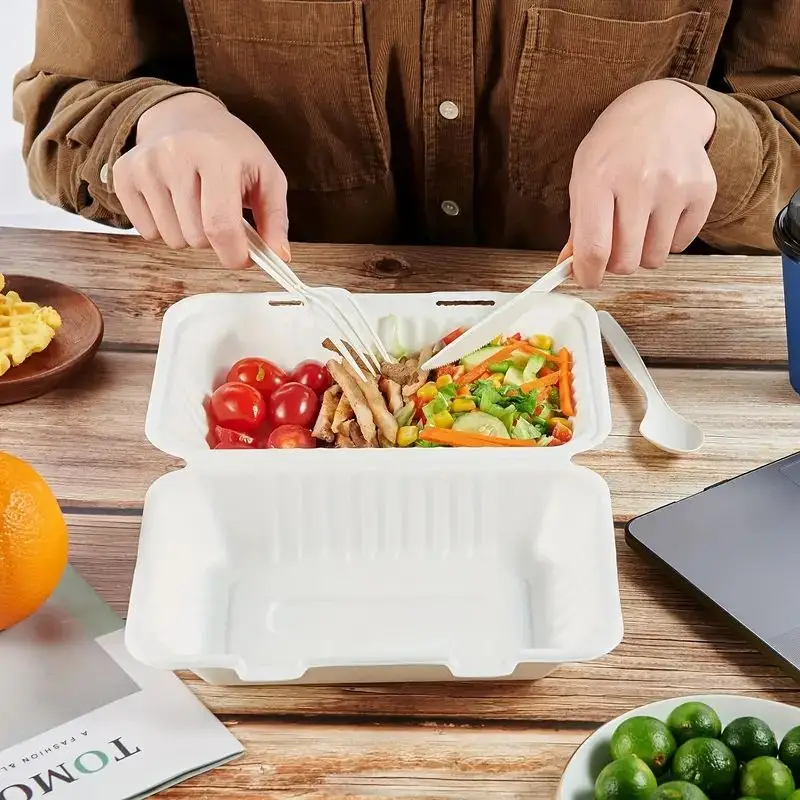
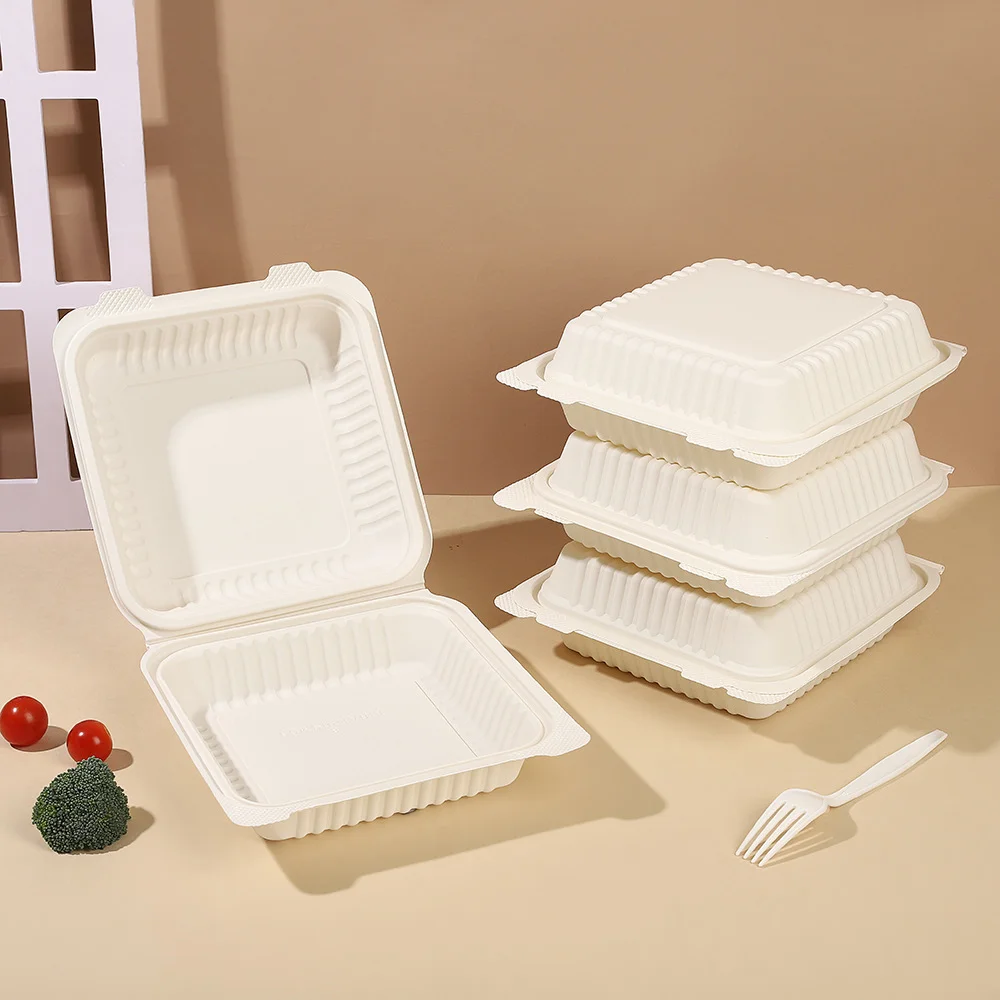
As plastic pollution remains a pressing global issue, disposable degradable food containers have become a game-changer for the catering industry. With the global market size expected to surpass $18 billion in 2025 , these eco-friendly alternatives are gaining traction across continents—driven by stringent policies, evolving consumer demands, and technological breakthroughs. Let’s explore how they fit into overseas markets.
1、Global Policy & Certification: The Entry Barrier You Must Know
Overseas markets strictly regulate degradable products. Meeting regional standards is non-negotiable for market access:
| Region | Core Policies | Mandatory Certifications | Compliance Focus |
| EU | Updated Single-Use Plastics Ban | EN 13432 (90% degradation in 6 months) | Carbon footprint <75kgCO₂e/t (CBAM rule) |
| USA | FDA New Migration Testing Standards | ASTM D 6868 (aerobic compostability) | Material safety for hot/cold foods |
| Southeast Asia | Thailand’s Foam Container Ban (2025) | Local compostability labels | Cost-effectiveness for street food vendors |
| Maldives | Total Single-Use Plastic Ban (2025) | 100% biodegradation verification | Marine environment safety |
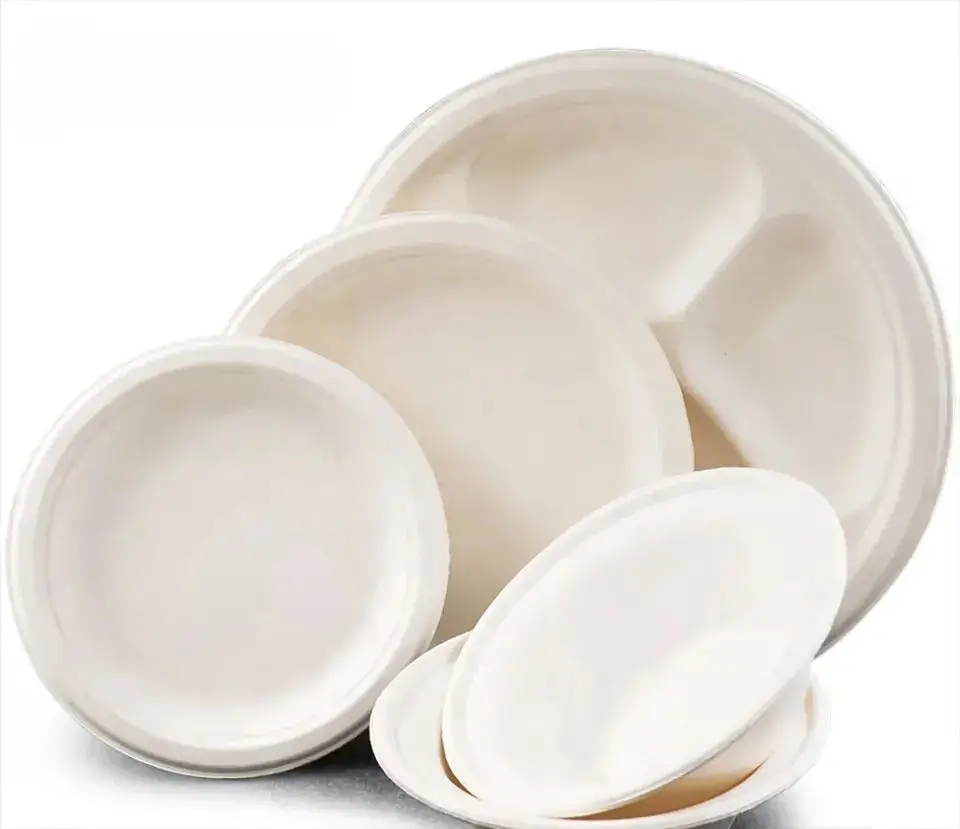
2、Top 4 Material Types for Overseas Markets
Not all degradable materials work globally. Here are the most market-ready options:
- PLA (Polylactic Acid) Containers
Made from corn starch, PLA excels in Europe and North America. Its cost dropped 22% in 2025 , and modified PLA now resists temperatures up to 120℃ —ideal for coffee shops and bakeries.
A hit in Southeast Asia, where sugarcane waste is abundant. With global capacity reaching 1.2 million tons in 2025 , they’re perfect for oily foods like Thai curries.
- Bamboo Fiber Containers
Popular in Japan and South Korea for antimicrobial properties. Paired with QR traceability (mandatory in Korea ), they appeal to health-conscious consumers.
- Paper-Pulp Composites
Dominant in Europe’s premium dining sector. European brands use them for airline meals, fetching 3-5x higher prices than regular containers .
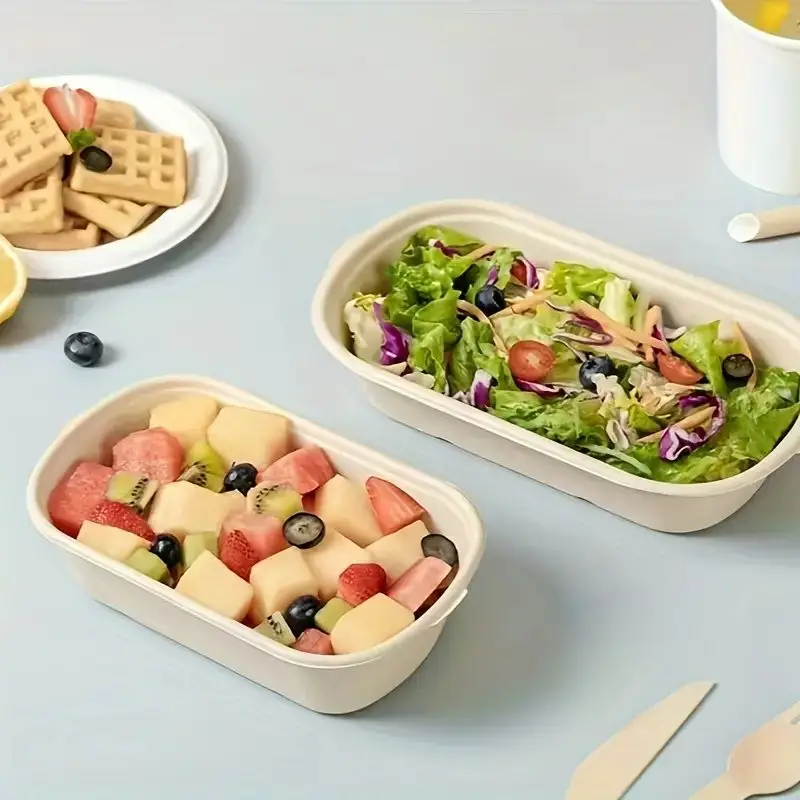
3、Overseas Application Scenarios: Real-World Cases
- Southeast Asian Street Food: In Bangkok night markets, vendors now use banana leaf-lined sugarcane containers to comply with plastic bans , cutting waste by 40%.
- European Fast Food Chains: McDonald’s EU outlets switched to EN 13432-certified PLA containers, boosting brand loyalty among eco-conscious customers .
- Australian Outdoor Events: Festivals adopt bamboo fiber containers that withstand high temperatures, aligning with local “zero-waste” trends .
4、Q&A for Global Caterers
Q1: How to balance cost and compliance in developing markets?
A: Opt for sugarcane bagasse—its raw material cost is 13% lower in Southeast Asia . Partner with local certifiers to avoid import delays.
Q2: Will my product pass EU’s carbon tax (CBAM)?
A: Use renewable energy in production. Chinese exporters reduced carbon footprints by 28% in 2024, avoiding 12% extra tariffs .
Q3: What’s the fastest-growing overseas segment?
A: Pre-made meal packaging—demand in North America is rising by 140 million units annually, with heat-resistant PLA preferred .
2025 Outlook: Seize the Global Opportunity
- Market Shift: Asia’s growth rate (19.7%) outpaces the global average (12.3%) , led by Vietnam and Indonesia.
- Tech Driver: Smart temperature-control labels (17% penetration) will become standard for cold chain logistics.
- Consumer Trend: 76% of European customers pay 10% more for certified degradable packaging .
For catering businesses eyeing global expansion, degradable containers aren’t just an eco-choice—they’re a market necessity. Align with regional standards, leverage cost-effective materials, and tap into policy-driven demand to win overseas.
发表回复