
 Русский
 Português
 Español
 Français
 Deutsch
 العربية
 简体中文
简体中文 日本語
日本語 한국어
한국어
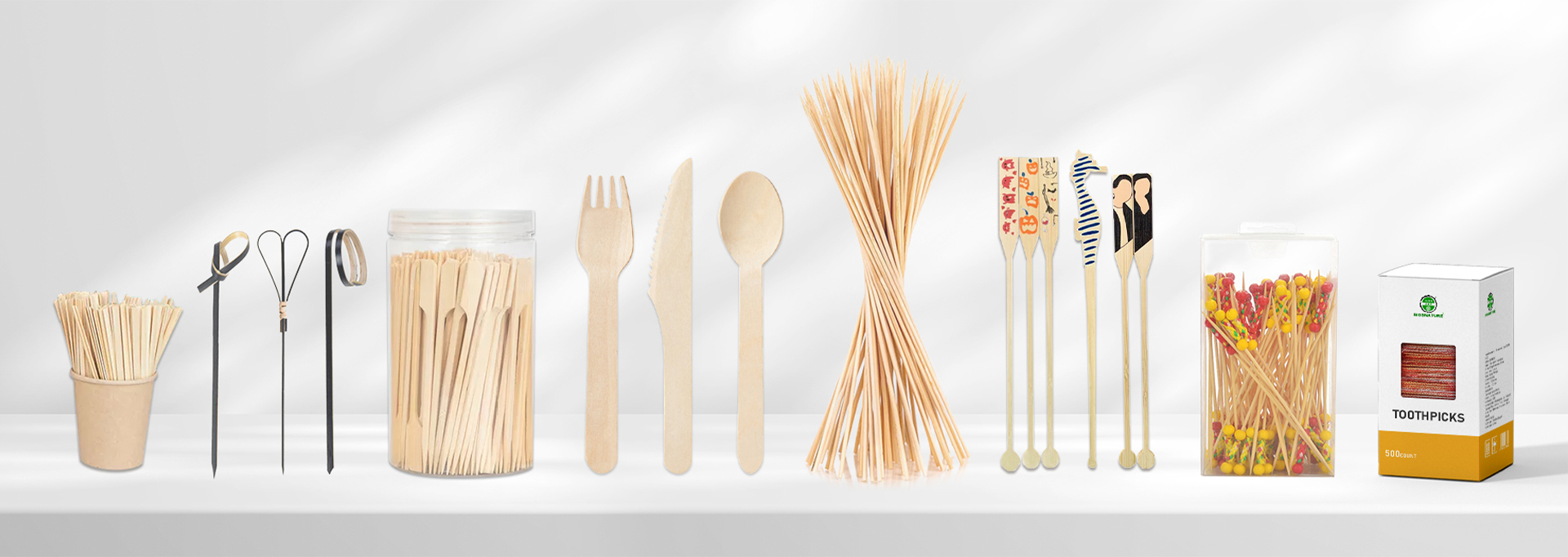
When outfitting a high-volume restaurant, hot pot joint, or quick-service delivery hub, non-negotiable kitchen realities dictate every single supply choice: intense heat, extreme humidity, and high concentrations of grease. While front-of-house aesthetic matters, back-of-house operations quickly reveal whether your dishing line, packing setup, and takeout gear can handle the heat—or fail under pressure.
One item that quietly eats into margins through waste, splintering, and poor customer feedback is the humble single-use chopstick. Choosing between commercial disposable chopsticks made of birch wood or bamboo isn’t just about unit price; it’s a decision that impacts operational speed, food presentation, and your ultimate return on investment (ROI).
Here is a practical, no-nonsense comparison guide to help commercial buyers make the right choice, minimize wastage, and optimize supply costs.
The Kitchen Challenge: Why Humidity and Oil Wreak Havoc on Cutlery
Commercial food prep environments subject disposable utensils to severe physical stress:
- High Ambient Moisture: Steam from noodle cookers, dishwashers, and boiling pots rapidly penetrates porous materials, causing low-density wood to warp or soften before reaching the customer.
- Grease Penetration: Heavy oils in stir-fries, hot pot broth, and barbecue break down weak surface fibers, making sticks feel slimy or structurally weak.
- Aggressive Handling: Fast-paced kitchen staff snap subpar chopsticks when packing or plating, causing high prep-line breakage rates that drive up hidden procurement costs.
Head-to-Head Comparison: Birch Wood vs. Bamboo
Choosing between birch chopsticks vs bamboo chopsticks comes down to material density, structural integrity, and total lifecycle costs in heavy-duty catering applications.
| Performance Dimension | Premium Birch Wood Chopsticks | Premium Bamboo Chopsticks |
| Tensile & Bending Strength | Softer, flexible fibers; resilient but snaps easier under high torque. | High density natural fibers; superior flexural strength and crush resistance. |
| Moisture & Oil Resistance | Absorbs moisture faster; prone to softening in continuous heavy-oil/steam conditions. | Dense natural surface barrier; resists water logging and grease absorption longer. |
| Cost & Operational ROI | Lower initial unit price, but higher waste rate in tough kitchen environments. | Slightly higher initial investment, near-zero waste/breakage, lower total cost per meal served. |
| Texture & Presentation | Smooth, uniform light finish, soft grain touch. | Crisp, sturdy feel; premium tactile sensation; maintains clean look when hot. |
The ROI Decision Framework: Calculating True Supply Value
Looking solely at unit price creates a false sense of savings. To calculate real restaurant kitchen chopsticks ROI, factor in food style, meal ticket value, and waste percentages using this simple breakdown:
1. The Waste Factor (Prep Line & Delivery Breakage)
- Birch: High moisture exposure in steam-heavy kitchens leads to a 3%–7% discard rate before the meal even reaches the customer (warp, premature splinters).
- Bamboo: Fiber stability holds up under steam and heavy pressure, keeping breakage below 0.5%.
2. Menu Matching Strategy
- High-Oil / Heavy Liquids (Ramen, Hot Pot, BBQ): Opt for bamboo tensoga chopsticks. High structural density stops grease soaking and ensures smooth, non-slip grip for customers handling hot food.
- Light Salads, Cold Delis & Light Bakery: Birch wood excels here. It delivers a clean, smooth, modern aesthetic at an attractive price point where moisture absorption isn’t a factor.
Matching Your Menu with the Right Gorlando Product Matrix
To streamline commercial ordering, Gorlando catering disposables provides clear product-to-menu alignment for scalable, cost-effective commercial chopsticks:
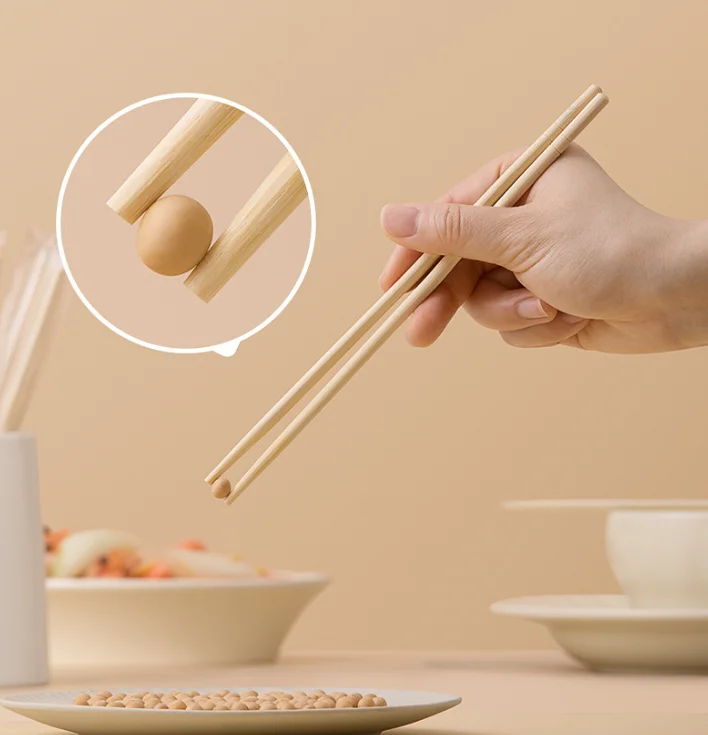
- Gorlando Bamboo Tensoga (Twin) Chopsticks: Built with a top cut angle for high-end feel and high structural density. Designed specifically for noodle shops, ramen bars, and heavy-sauce Asian cuisine.
- Gorlando Bamboo Twins / Round Chopsticks: Ideal for fast-food, takeaway chains, and quick-service operations needing max durability at bulk prices.
- Gorlando High-Grade Birch Chopsticks: Precision polished and smooth. Tailored for sushi boxes, cold bento sets, eco-deli trays, and lower-humidity service setups.
Frequently Asked Questions (FAQ)
Q: Why do bamboo chopsticks deliver better ROI than birch for greasy delivery and hot soups?
A: Bamboo features a naturally dense outer layer and straight vertical fibers. This structure prevents hot soup steam and heavy oils from penetrating the material. Birch has softer fibers that soak up grease faster, leading to limpness, bend, or fiber lifting when submerged in hot liquids.
Q: How can commercial buyers test moisture content upon bulk arrival to prevent mold?
A: Use a standard pin-type wood moisture meter right when opening a container or pallet shipment. Aim for a moisture level between 8% and 12%. Anything above 14% stored in a warm, closed kitchen warehouse poses a high risk of mold growth during storage.
Upgrade Your Commercial Catering Supplies with Gorlando
Finding the right balance between unit cost, structural durability, and customer presentation keeps your restaurant margins healthy. Whether running a multi-location hot pot enterprise, a fast-paced delivery kitchen, or an upscale sushi bar, choosing the right material prevents unnecessary operational waste.
Reach out to our sales team at Gorlando today to request product samples, bulk pricing tiers, and customized packaging solutions tailored to your specific kitchen needs.
发表回复