
 Русский
 Português
 Español
 Français
 Deutsch
 العربية
 简体中文
简体中文 日本語
日本語 한국어
한국어
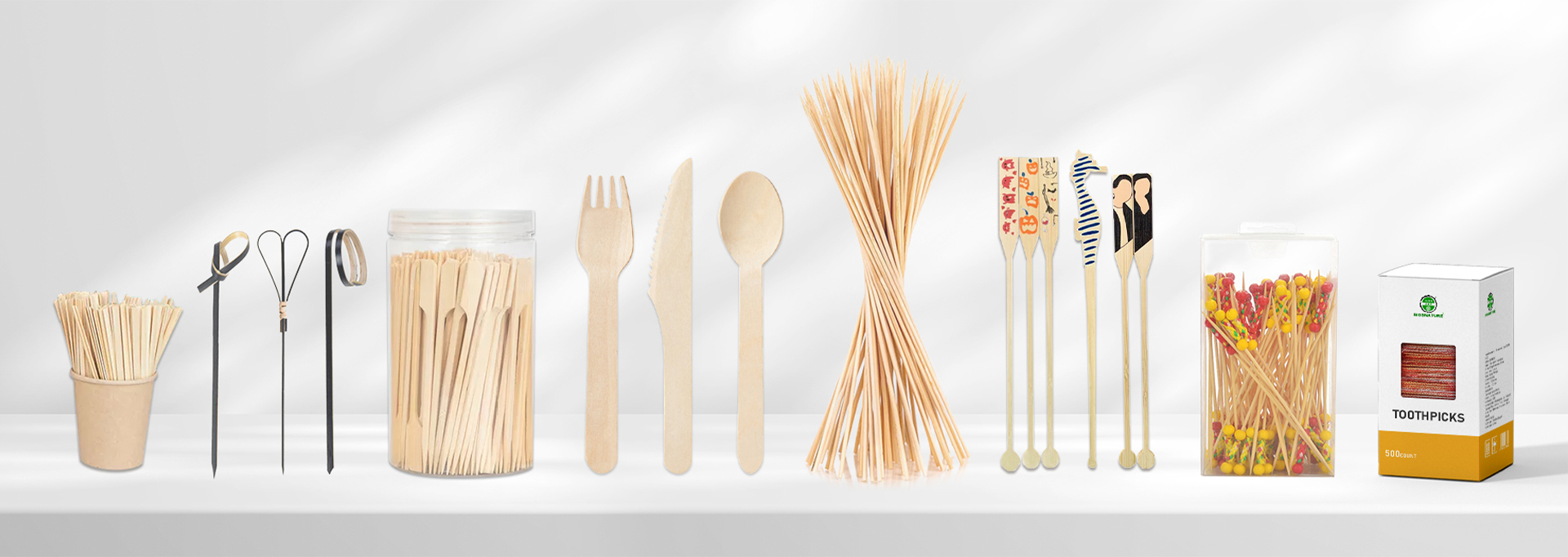
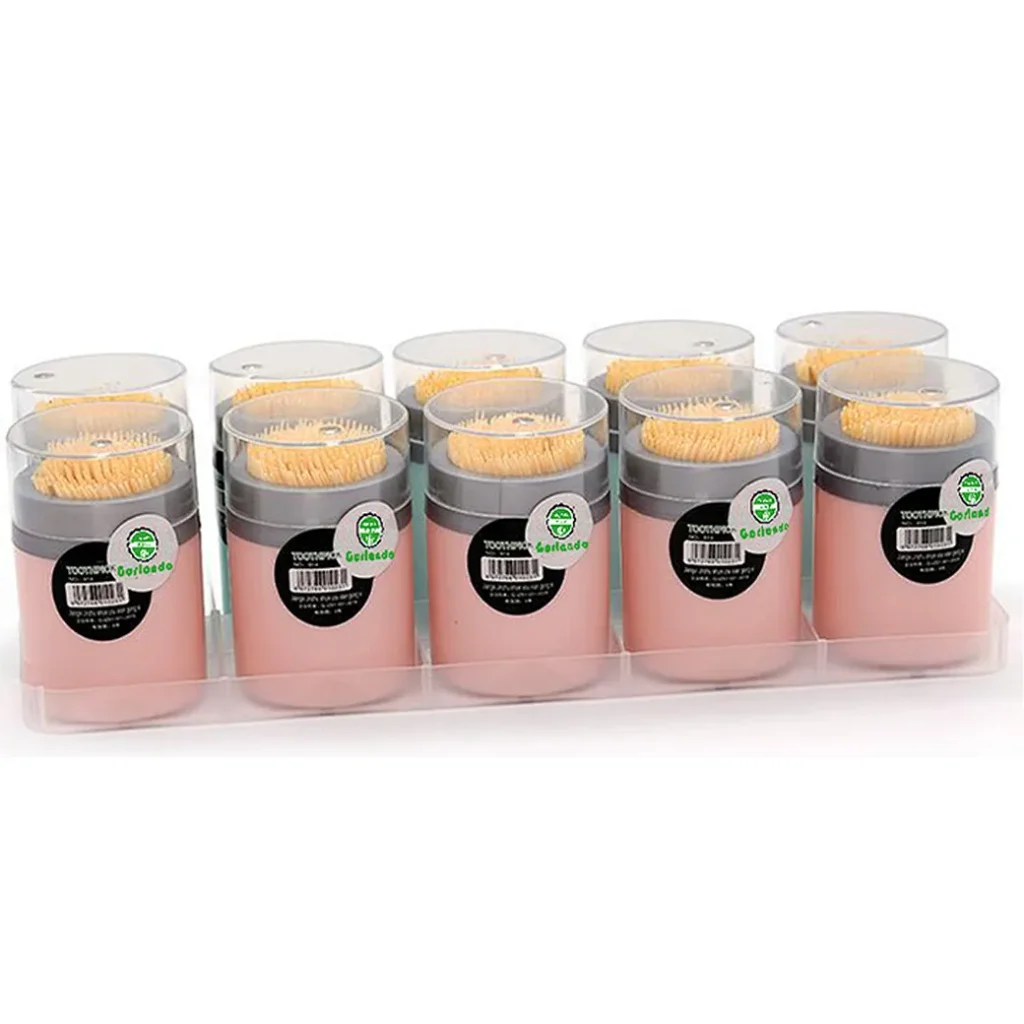
In daily restaurant operations, managers often focus intensely on kitchen output and front-of-house service workflows, while overlooking a critical detail that easily triggers customer complaints: front desk billing areas and Bucket Toothpicks management. During the plum rain season, humid spring weather, or peak dinner rushes near air conditioning vents, customers pulling a toothpick often find a clump of damp, stuck-together toothpicks. This ruins the first impression of hygiene and causes hidden material waste. Solving toothpick moisture issues requires scientific upgrades across humidity control, container physical structures, and replenishment routines.
I. Why Does Front Desk Moisture Happen in Your Restaurant?
Store managers often wonder why high-end toothpicks soften, discolor, or smell stale after less than three days at the front desk. The root cause lies in environmental physics conflicting with container design:
- Front Desk Microclimate Traps: Cash registers sit near beverage stations, POS cooling vents, or AC drafts. Water vapor liquefies during temperature changes, and natural wood/bamboo toothpicks absorb moisture rapidly.
- Flaws of Traditional Open or Poorly Sealed Containers: Open bamboo tubes or flimsy plastic flip-tops fail to block ambient vapor or airborne grease and dust.
- Flawed Replenishment Logic: Filling containers with large quantities keeps bottom layers in a sealed, unventilated environment, accelerating mold and degradation.
II. Comparative Table of Front Desk Moisture Management Strategies
| Management Dimension | Traditional Open Bamboo Tubes / Plastic Jars | Low-Quality Large Sealed Jars | Gorlando Scientific Anti-Moisture Bucket Toothpicks |
| Moisture Sealing | Unsealed, fully exposed to ambient air | Poor seal, frequent opening lets in vapor | High-density food-grade sealed bucket, dual locking |
| Dispensing Experience | Prone to multiple sticking, causing waste | Poor aperture design, frequent jams | Smooth single-hole press or precise pour, no clumps |
| Hygiene & Cleanliness | Dust, oil smoke, and pests easily enter | Bacteria breeds at the bottom, hard to clean | Inner liner and food-grade wood, easy to wipe |
| Aesthetic Appeal | Cluttered look, appears cheap and low-end | Bulky, takes up counter space, ruins style | Compact, industrial design, boosts brand texture |
III. Four Execution Checklists for Front Desk Moisture Control
- Establish Physical Buffers: Place toothpick containers at least 1.5 meters away from ice makers, bar counters, or AC vents to avoid direct condensation.
- Implement “Low-Volume, High-Frequency” Restocking: Shift from filling to the brim to daily bottom-clearing and small batch additions within 48 hours.
- Regular Container Sterilization: Conduct weekly high-temperature UV disinfection or sun-drying for all front desk organizers.
- Strict Procurement Standards: Select high-density, high-temperature carbonized premium wood or bamboo toothpicks.
IV. Why High-End Restaurants Choose Gorlando’s Bucket Toothpicks
Gorlando’s Bucket Toothpicks stand out through food-grade high-seal small bucket packaging that isolates humid air, combined with multi-stage polishing and drying to prevent burrs and sticking. Whether in upscale Japanese eateries, business dining establishments, or modern casual chains, Gorlando enhances table aesthetics and guarantees a smooth ending to every guest’s dining experience.
Frequently Asked Questions (FAQ)
- Q1: Can damp restaurant toothpicks be dried and reused?
- A: Absolutely not. Moldy wood toothpicks harbor bacteria internally; secondary drying cannot restore safety compliance and they must be discarded.
- Q2: Why are small-capacity Bucket Toothpicks more cost-effective than bulk jars?
- A: Bulk jars suffer high rejection rates from moisture and multi-stick waste, making hidden costs higher. Small capacities ensure constant freshness and zero waste.
发表回复