
 Русский
 Português
 Español
 Français
 Deutsch
 العربية
 简体中文
简体中文 日本語
日本語 한국어
한국어
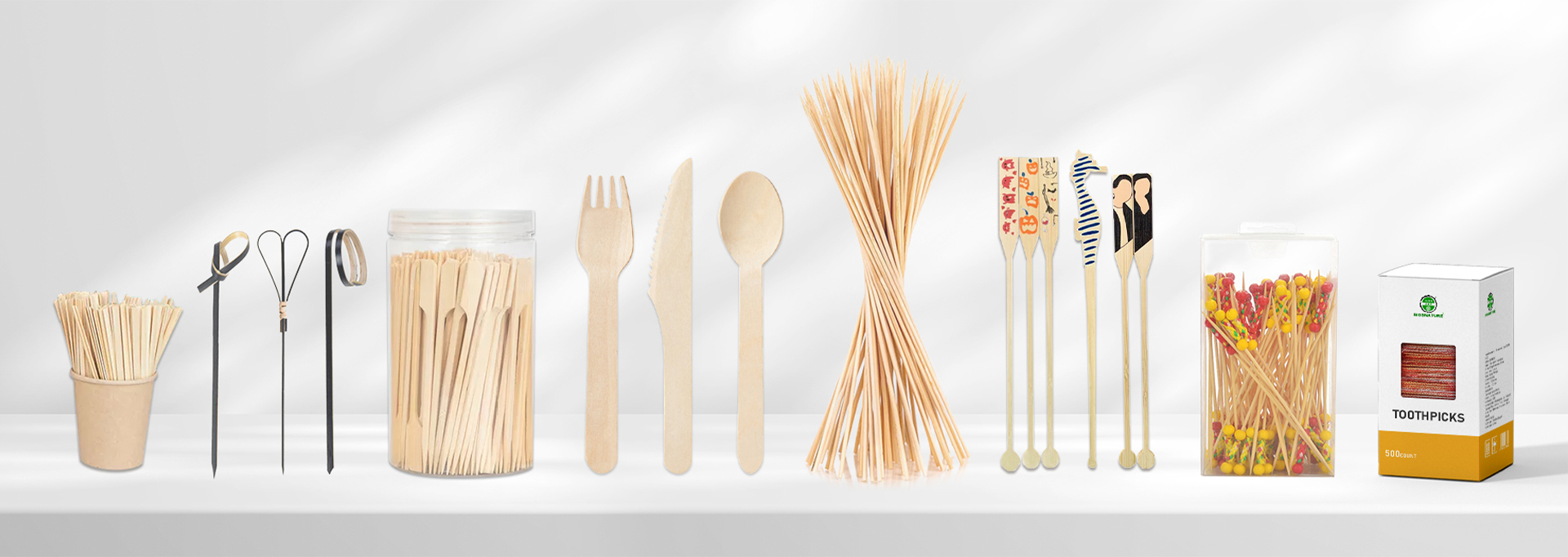
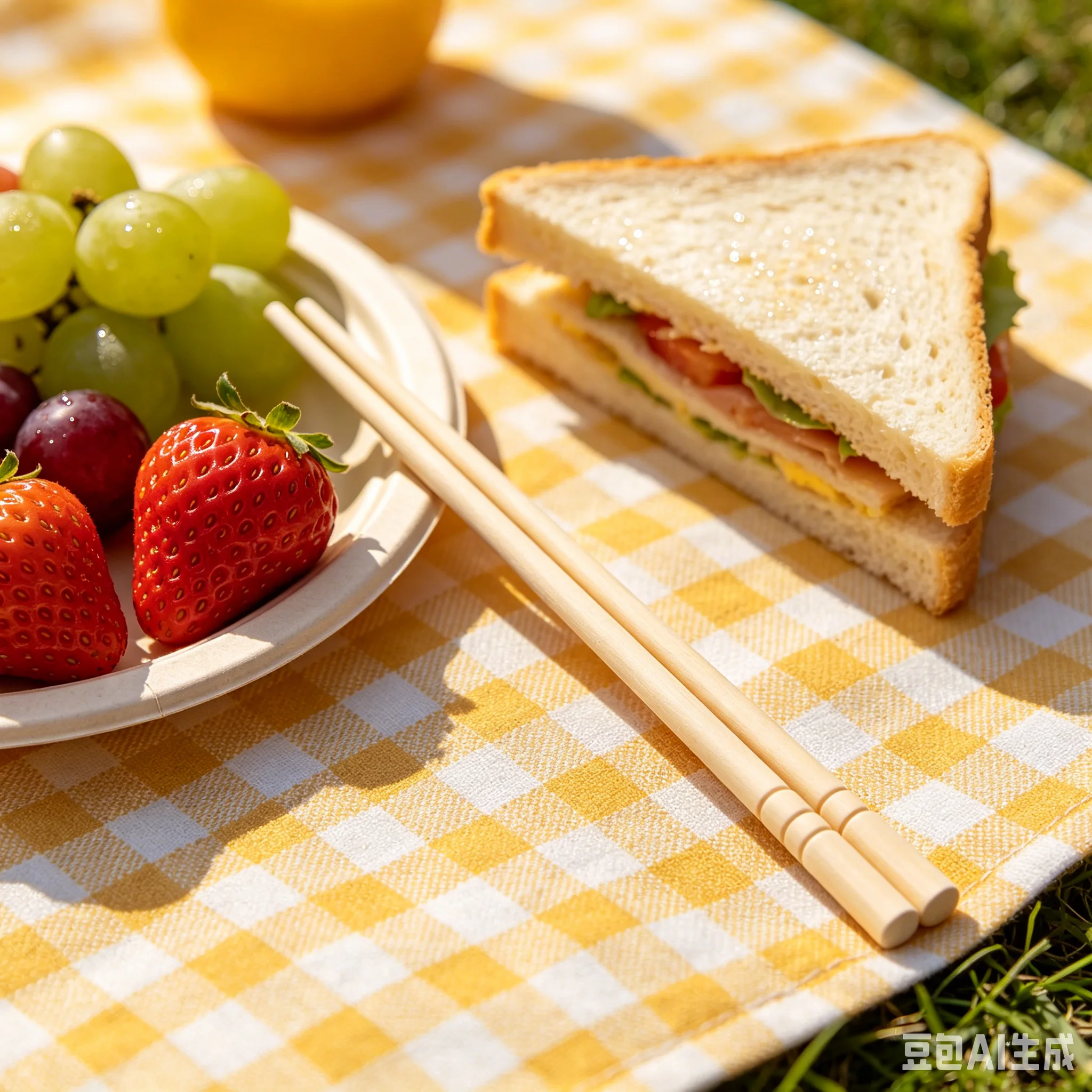
For international restaurant chains, food delivery brands, and F&B packaging importers, single-use cutlery is far more than a minor operational item. It directly impacts unit landed costs, customer dining experience, brand perception, and international supply chain compliance.
When sourcing wholesale disposable bamboo chopsticks from a trusted bamboo chopsticks manufacturer, procurement managers inevitably face a core decision: Carbonized Bamboo Chopsticks or Natural Bamboo Chopsticks?
While natural bamboo chopsticks offer incredible cost efficiency for high-volume takeaway brands, carbonized chopsticks provide unparalleled mold resistance for long-distance ocean shipping and tropical markets. This practical guide breaks down technical differences, operational scenarios, cost tradeoffs, and procurement checklists to help you select the ideal style for your market.
1. Technical & Manufacturing Differences Explained
Understanding how raw material processing alters physical performance is essential before placing bulk orders:
1.1 Natural Bamboo Chopsticks
Natural bamboo chopsticks are processed directly from 3–5 year-old mature Mao bamboo poles. The bamboo strips are boiled for degreasing, disinfected using food-grade methods, shaped, and kiln-dried to standard moisture levels (≤ 10%).
- Appearance: Bright ivory-white to pale yellow, showcasing the authentic grain of natural plant fibers.
- Key Features: Minimal processing, low energy consumption, fast production turnover, and maximum cost savings.
- Procurement Risk: Retains natural starches and sugars. If stored in unventilated or humid environments during ocean freight, they carry a higher risk of mold growth if moisture control is neglected.
1.2 Carbonized Bamboo Chopsticks
Carbonization is an advanced thermo-physical steam treatment process. Raw bamboo strips are placed in sealed high-pressure autoclaves and treated under temperatures of 120°C–200°C (248°F–392°F) for several hours.
- Appearance: Rich caramel, amber, or golden-brown color throughout the entire wood fiber (achieved without chemical dyes or paints).
- Key Features: Thermal caramelization destroys the starches and nutrients that feed mold spores. Moisture content is reduced to under 7%, offering exceptional resistance to humidity, warping, and fungal growth.
- Sensory Touch: Features a subtle, woody toasted aroma and an ultra-smooth, polished surface.
2. Comparison Matrix: Natural vs. Carbonized Bamboo
| Sourcing Metric | Natural Bamboo Chopsticks | Carbonized Bamboo Chopsticks |
| Visual Aesthetic | Clean ivory / pale yellow; minimalist, fresh, traditional look. | Warm caramel / amber brown; eco-artisan, premium feel. |
| Mold & Humidity Resistance | Moderate; requires dry storage & strict climate control. | Exceptional; starch-depleted, immune to fungal spores during long transit. |
| Moisture Content Standard | Factory target ≤10% | Factory target ≤l6% – 7% |
| Unit Cost (FOB Price) | Base Cost ($) — Most budget-friendly for high-volume takeout. | 15% – 30% Premium ($$) due to autoclave steam processing. |
| Warehouse & Ocean Shelf Life | 12–18 months in dry conditions. | 24–36 months; withstands tropical humidity and ocean transit. |
| Ideal Dining Scenarios | Fast casual, takeaway noodle concepts, food courts, bento boxes. | Ramen bars, Hot Pot, Korean BBQ, Japanese Izakaya, fine Asian dining. |
| Custom Branding Compatibility | High contrast with black, red, or dark full-printed paper sleeves. | Complements kraft paper wraps, gold foil stamping, and laser etching. |
3. Decision Framework: How to Match Your Brand Needs
3.1 Primary Operational Need Matrix
| Operational Focus | Priority Characteristics | Target Scenarios & Concepts | Recommended Chopstick Style |
| High Volume & Fast Turnover | Maximum cost efficiency, fast inventory cycle, bright visual presentation. | Delivery-first chains, fast-casual restaurants, food courts, ultra-tight unit budget targets. | Natural Bamboo Chopsticks |
| Extended Storage & Premium Positioning | Superior mold/moisture resistance, high dimensional stability, artisan aesthetic. | Overseas ocean shipping, humid/tropical climates, hot pot, Korean BBQ, ramen bars. | Carbonized Bamboo Chopsticks |
3.2 Choose Natural Bamboo Chopsticks If:
- You Run High-Volume Takeout & Delivery Chains: When your monthly consumption reaches hundreds of thousands of sets, bulk bamboo chopsticks for restaurant chains with natural finish deliver a 20% cost saving that directly improves your operating margin.
- Your Inventory Turnover is Fast: If stock moves from warehouse to consumer within 30–60 days, long-term storage mold risk is minimal.
- You Prefer Custom Packaging: Natural bamboo’s light tone creates crisp contrast inside custom printed paper sleeve bamboo chopsticks.
3.3 Choose Carbonized Bamboo Chopsticks If:
- You Import Overseas via Ocean Freight: Shipping containers crossing tropical moisture zones carry mold risks. Mold-resistant carbonized bamboo chopsticks prevent costly container losses during long ocean transit.
- You Operate Hot Pot, BBQ, or Noodle Restaurants: High-steam, high-heat dining environments require chopsticks that won’t absorb steam, soften, or warp.
- You Aim for a Premium, Sustainable Image: The dark amber finish conveys eco-friendly craftsmanship and premium quality, supporting higher menu price points.
4. Practical Procurement Tips & Quality Inspection Checklist
4.1 5 Golden Rules Before Placing Bulk Orders
- Request Food-Contact Compliance Reports: Ensure your supplier provides valid FDA (US), LFGB (EU), or GB4806 (China) test reports verifying no sulfur dioxide (SO2) bleaching residues, heavy metals, or chemical adhesives.
- Inspect Moisture Content: Require moisture testing before shipment. Natural bamboo must be <10% and carbonized <7% to prevent container mold.
- Demand Tumble-Polished Smoothness: Ensure chopsticks are deburred and tumble-polished to avoid splinters, micro-roughness, or split ends.
- Select the Right Style & Packaging: Popular styles include Tensoge, Twin (Geno), Rikyu, and Round. Pair them with full-closed eco-friendly paper sleeves printed with food-grade soy ink.
- Work Directly with Source Manufacturers: Partnering directly with an experienced bamboo chopsticks manufacturer guarantees batch consistency, flexible custom packaging, and direct factory pricing.
Ultimately, deciding between natural and carbonized bamboo chopsticks comes down to balancing unit costs against supply chain risk. For high-volume delivery brands with fast inventory turnover, natural bamboo chopsticks provide maximum cost efficiency that directly benefits operational margins. Conversely, for ocean freight importers, tropical climate operators, or high-steam dining concepts like hot pot and ramen, carbonized bamboo chopsticks offer essential mold protection, thermal stability, and a premium customer experience that far outweighs the modest price difference.
发表回复