
 Русский
 Português
 Español
 Français
 Deutsch
 العربية
 简体中文
简体中文 日本語
日本語 한국어
한국어
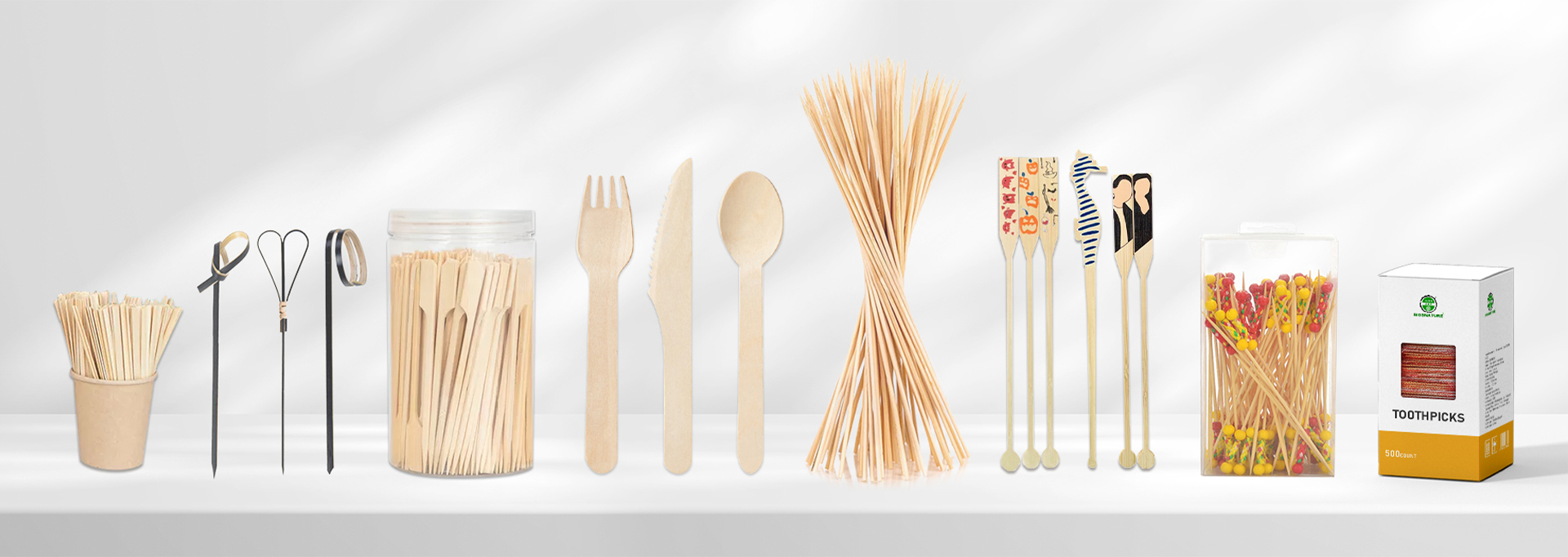
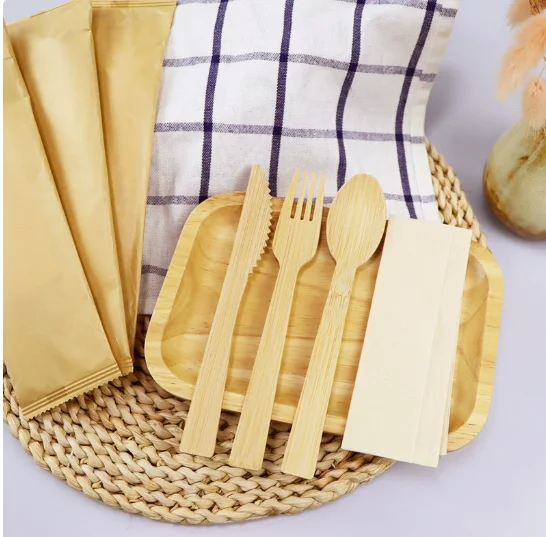
Running a successful Japanese restaurant isn’t just about sourcing high-grade fish; it’s about eliminating friction in the customer experience. Imagine a customer paying $50 for a premium sashimi platter, only to get a painful splinter in their lip from a low-grade wooden spoon, or having a flimsy wooden knife snap in half while cutting a dense maki roll. In an instant, the perception of quality vanishes, replaced by bad reviews and lost customer lifetime value.
In the delivery age, negative reviews frequently stem from poor utensils, wooden fibers shedding onto raw fish, or cheap cutlery snapping under pressure. Choosing cheap wooden utensils might save a penny per order, but it quietly erodes your brand’s reputation. That is why smart sushi operators willingly invest in high-grade bamboo cutlery.
comparison with wooden tableware: Real-World Performance Test
| Performance Metric | Standard Wooden Cutlery | Premium bamboo cutlery (5-Yr Aged) | Impact on Sushi Quality & Reorders |
| Break Resistance | Low; snaps under mild force | Powered by bamboo fiber toughness, 40%+ stronger | Slices thick rolls without snapping; cuts complaints |
| Surface Smoothness | Prone to micro-splinters | Highly polished into true splinter-free tableware | Protects mouth, offering a smooth tactile experience |
| Flavor Neutrality | Distinct pine/birch odor | Odor-neutral; releases zero resin smell | Preserves delicate flavors of uni, otoro, and sushi rice |
| Moisture Resistance | Softens in warm rice within 10 mins | Dense fibers resist steam and liquid absorption | Keeps high-end sushi takeout tableware rigid |
| Non-Stick Property | Rough texture sticks to sticky rice | Smooth polished surface repels rice starch | Cuts sushi rolls cleanly without tearing nori sheets |
4 Pitfalls to Avoid When Sourcing disposable sushi tableware
First, avoid the splinter trap to protect customer safety.
Low-grade wooden spoons tend to tear along the grain when scooping chirashi rice bowls, posing a severe puncture hazard to lips and tongue. Operators should exclusively source certified splinter-free tableware with rounded, polished edges.
Second, avoid resin odors that ruin delicate seafood.
Birch and pine wood emit natural resin odors that intensify when exposed to steam. For raw sashimi, woody scents are disastrous. Opt for unbleached, high-temperature dried bamboo utensils that remain completely odor-neutral.
Third, avoid soggy cutlery on long takeout deliveries.
Takeout orders take 30 to 45 minutes to arrive. Steam inside the box causes standard wood to soften quickly. Leveraging natural bamboo fiber toughness, high-density bamboo utensils resist moisture and retain structural integrity from kitchen to table.
Fourth, avoid cheap aesthetics and execute a true dining quality upgrade.
High-end dining is an experience. The warm tone and clean grain of bamboo look significantly more premium than pale wood, instantly setting your takeout presentation apart.
The ROI Math: How $0.03 Extra Boosts Repeat Orders by 30%
Let’s break down the economics: For a $30 takeout sushi order, a cheap wooden cutlery set costs about $0.02, while a premium bamboo cutlery set costs roughly $0.05—a difference of just $0.03 per order.
What does that $0.03 buy you?
- Zero negative reviews related to splinters or broken utensils.
- A tangible sign of quality that makes customers feel your brand cares about every detail.
- Justification for a 10% higher menu price point and stronger customer loyalty. This small touch represents a high-return dining quality upgrade strategy.
Frequently Asked Questions (FAQ)
Q: bamboo cutlery costs slightly more—how can we highlight this quality upgrade to customers?
A: Add a small note on your takeout box, such as “Served with natural bamboo utensils for an eco-friendly, smooth dining experience,” or use custom branded sealed sleeves. Highlighting thoughtful details boosts customer appreciation.
Q: Does a bamboo knife stick to sticky rice or tear seaweed when slicing rolls?
A: No. High-density polished bamboo features a non-stick surface superior to wood. It glides smoothly through seaweed and rice without tearing the roll.
Q: How should growing sushi chains select a reliable supplier for high-end sushi takeout tableware?
A: Look for manufacturers with strict raw material selection (aged bamboo) and polished finish standards. As a global OEM/ODM manufacturer, Gorlando eco-friendly tableware provides custom sizing, logo hot-stamping, and individual hygienic packaging, delivering durable, splinter-free, and odor-free cutlery to elevate your brand.
Upgrading your utensils is one of the simplest ways to protect your brand image and boost customer satisfaction. True quality lies in the details, and for premium sushi, it starts with the smooth, reliable touch of bamboo.
发表回复