
 Русский
 Português
 Español
 Français
 Deutsch
 العربية
 简体中文
简体中文 日本語
日本語 한국어
한국어
1. Industry Context & B2B Sourcing Pain Points
Driven by global Single-Use Plastic Bans, procuring Compostable Disposable Cutlery has shifted from an eco-friendly option to a strict compliance requirement for restaurant chains, airlines, catering companies, and food retailers.
However, when choosing between the two market-leading solutions—Birch Wood Cutlery and Bamboo Cutlery—B2B procurement managers often face a dilemma: Will wooden cutlery snap under force and trigger customer complaints? Or will bamboo cutlery strain the purchasing budget? Topcraft (Gorlando) draws on over a decade of global supply chain expertise to break down structural strength, ROI, dining comfort, and international compliance to help you make the smartest sourcing decision.
2. Core Performance Breakdown across 3 Pillars
① Tensile Strength & Fracture Resistance
- Bamboo Cutlery: Engineered by nature with long, dense bamboo fibers, it boasts exceptional tensile strength and flexibility. When cutting thick steaks, scooping hard ice cream, or handling heavy hot meals, bamboo tableware offers zero splintering and superior snap resistance.
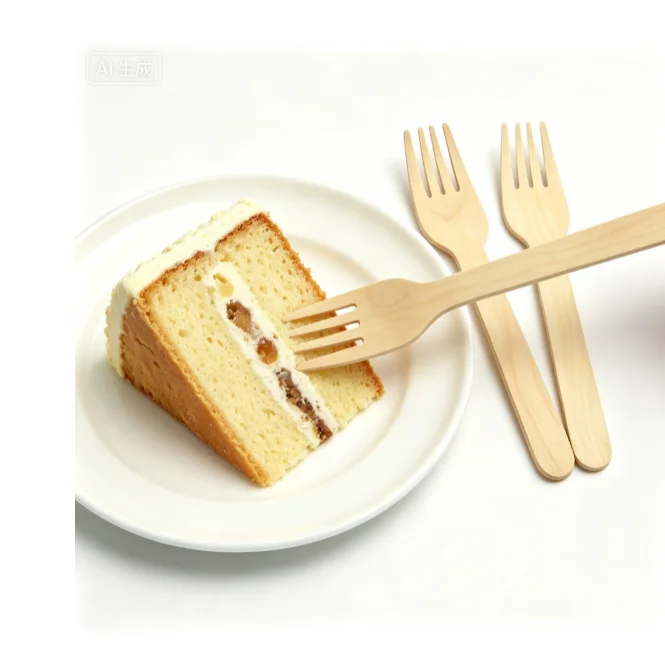
- Birch Wood Cutlery: Crafted from premium birchwood via high-temperature heat-pressing. It possesses excellent rigidity. While ideal for standard meals (salads, pastas, rice bowls, and cakes), its lateral flex limit is slightly lower than bamboo.
② Procurement Cost Efficiency & Profit Margins
- Birch Wood Cutlery: Highly mature raw material supply chains and automated manufacturing yield a 15%–30% lower unit cost compared to bamboo. It is the ultimate cost-effective solution for high-volume consumption scenarios (e.g., fast food chains, airline catering, food delivery platforms).
- Bamboo Cutlery: Involves more refined processing and higher raw material toughness, placing its price at a slight premium. However, its sophisticated finish elevates brand image, making it ideal for upscale dining and gourmet retail lines.
③ Mouthfeel & Eco Brand Perception
- Birch Wood Cutlery: Delivers a smooth, natural wood grain touch—heat-resistant, non-conductive, odorless, and clean.
- Bamboo Cutlery: Polished through multi-stage automated lines and high-temperature sterilization, offering a silky surface finish. Naturally antibacterial, it visually reinforces a brand’s ESG and sustainability commitments.
3. B2B Sourcing Comparison Matrix
| Evaluation Factor | Birch Wood Cutlery | Eco-Friendly Bamboo Cutlery |
| Material Structure | Short fibers, high rigidity & hardness | Long fibers, exceptional toughness & bend resistance |
| Snap-Resistance Test | Great for low-to-medium resistance food | Zero splintering; handles hard steaks & ice cream easily |
| Unit Sourcing Budget | Economic (Best ROI for high volume) | Premium (15%–30% higher than wood) |
| Recommended Scenarios | Fast-food chains, food delivery, airline catering | Fine dining, organic cafes, gourmet supermarket retail packs |
| Compliance Certifications | FSC, SGS, LFGB, FDA Certified | FSC, SGS, LFGB, FDA Certified |
| OEM/ODM Customization | Individual paper wrapping, laser logo, custom sets | Individual paper wrapping, laser logo, custom sets |
4. B2B Industry Application Checklist
- [x] Fast Food Chains / Delivery Apps / Airline Catering $\rightarrow$ Best Choice: Birch Wood Cutlery
- Reason: High turnover and budget sensitivity. Birchwood minimizes cost-per-meal while maintaining full plastic-ban compliance.
- [x] Upscale Restaurants / Organic Cafes / Ice Cream Shops $\rightarrow$ Best Choice: Bamboo Cutlery
- Reason: Handles tough steaks and frozen desserts seamlessly while justifying premium brand positioning.
- [x] Supermarket Retail Brands / OEM Wholesalers $\rightarrow$ Best Choice: Dual-Material Portfolio
- Reason: Diversifies offerings by matching budget-conscious and premium eco-friendly customer segments.
5. B2B Frequently Asked Questions
Q1: Will wooden or bamboo cutlery soften or release odors when exposed to hot soup or greasy food?
Answer: Absolutely not. Topcraft’s birchwood and bamboo cutlery are made from 100% natural materials with zero chemical coatings or synthetic binders. Their heat resistance far exceeds traditional disposable plastics or PLA, staying sturdy and completely odorless in high-temperature, high-oil foods.
Q2: Do these products comply with food contact and eco-regulations in Europe, North America, and Australia?
Answer: Fully compliant. All Topcraft (Gorlando) export products carry FSC sustainable forest certification, SGS food-grade testing, EU LFGB, and US FDA approvals, ensuring seamless customs clearance worldwide.
Q3: What custom branding and OEM options are available? What about MOQ and lead time?
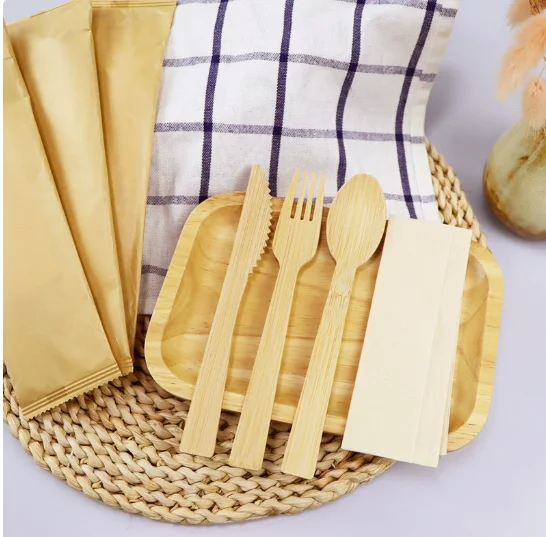
Answer: We offer end-to-end OEM/ODM services including custom individual paper wrapping, laser-engraved logos, and custom 4-in-1 meal kits (knife, fork, spoon, napkin). Our high-capacity automated factories support flexible trial orders and fast bulk delivery.
6. Summary & Conversion
Whether you require maximum cost efficiency (Birch Wood) or elevated brand perception (Bamboo), Topcraft provides factory-direct, customized compostable tableware solutions tailored to your business scale.
发表回复